

US FDA clears spirulina-based blue colors for wider use in food


Key takeaways
- US FDA approval removes regulatory barriers to using spirulina-based blue colors across more food applications.
- Bakery and other heat-processed categories benefit most, as clearer rules now support natural blue and green shades in doughs and batters.
- New labeling flexibility allows “no artificial colors” claims for products using plant-based colors.
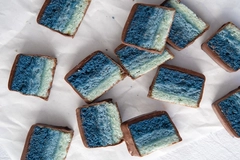
US regulators have expanded how spirulina-based blue colors can be used across F&B applications, following a petition by GNT Group. The US FDA approval backs a broader use of natural blues, removing one of the last major barriers to natural blue colors in food. Historically, blue has been the most technically challenging color to replace with natural alternatives.
Spirulina extract was the first natural blue color additive already approved for use in beverages in the US, but a petition filed by GNT, which leverages non-GMO fruit and vegetables to develop a range of natural colors for its Exberry portfolio, called for the expansion into wider food categories.
The FDA had already approved spirulina extract for specific, limited food categories, but manufacturers, including GNT, submitted petitions asking to use it in additional applications. One of those expansions happened in 2022, when spirulina extract was approved for use in beverages.
The company says there has been sustained investment in the technical capabilities, quality systems, and supply infrastructure required for the reliable commercialization of spirulina-based colors.
“With more natural blue options now permitted, the focus is on helping manufacturers understand what’s possible,” says Jane MacDonald, director of technical development at GNT USA.
“GNT brings regulatory experience and technical application expertise to support informed decision-making, as customers evaluate natural blue solutions within their specific formulations and commercial goals.”
Unlocking new categories
Bakery has historically been one of the toughest categories for natural colors due to heat, pH, and processing challenges.
GNT says this spirulina-based blue expansion is particularly relevant for bakery applications, where demand for natural green tones is increasing but has been held back because of access to natural blue color solutions.
Spirulina extract has been used in decorations, fillings, and coatings, with more limited use directly in baked doughs and batters.
But GNT says “clearer regulatory pathways” now support plant-based color solutions in these applications, including pistachio- and matcha-inspired flavors as well as seasonal offerings.
Voluntary labeling
This FDA expansion also supports the F&B’s continued shift away from synthetic dyes.
At the same time as the expansion announcement, the FDA also clarified voluntary labeling flexibility, saying that F&B products can now claim “no artificial colors” on the label if they avoid petroleum-based dyes. Previously, any added color ingredient disqualified that claim.
GNT welcomes this change, as it provides additional guidance for companies using Exberry plant-based colors as they consider on-pack claims alongside formulation changes.
Eliminating synthetics
The FDA approval of spirulina-based blue colors is a vital step in the removal of synthetic FD&C Blue No. 1, which has been specifically called out as part of the US government’s crackdown on food additives and dyes, as part of Robert F. Kennedy, Jr.’s “Make America Healthy Again campaign.”
This broader initiative aims to phase out all petroleum-based synthetic dyes from the US food supply.
In July 2025, the FDA approved the gardenia (genipin) blue as a new color additive for various food products. The color, derived from the gardenia fruit, is used in sports drinks, flavored or enhanced non-carbonated water, fruit drinks, ready-to-drink teas, and candies.


Upcoming webinars
Oat-Standing Ingredients - Showcasing Irish Grain Through Innovation
Tirlán Ingredients

2027 Food Safety Risks for Quality & Compliance Leaders
FoodChain ID
Formulating for function: Developing benefit-led beverages with natural colours, botanicals, and flavours
Givaudan Sense Colour