



Avebe launches clean label potato starch for cold-process sauces and plant-based meat

Key takeaways
- Avebe’s PuraMYL 440 binds water during cold mixing, eliminating the need to pre-cook or separately hydrate the starch.
- In Avebe’s trials, the starch thickened a sauce containing 50% oil and made plant-based meatball mixtures easier to form.
- Avebe says manufacturers can list the thermally treated ingredient as “potato starch.”
Royal Avebe has launched an instant potato starch that thickens sauces and dressings during cold mixing and helps plant-based meat mixtures hold together during forming. The Dutch ingredient supplier says PuraMYL 440 can replace chemically modified starch in selected recipes and can be listed on ingredient labels as “potato starch.”
The starch begins binding water as soon as it is mixed in. Manufacturers can skip pre-cooking or separately hydrating the starch, which Avebe says could simplify production and reduce energy use.
The company uses thermal inhibition to physically modify the starch and is also targeting batters, coatings, and other formed products.
“Simplifying an ingredient list should never mean compromising performance,” says Bea Klaassens, technical application specialist at Avebe. “Whether it’s preventing stickiness during forming in plant-based meat, or maintaining sauce texture without cooking, developers need ingredients that deliver reliable results without adding complexity to production.”
Building sauce viscosity during mixing
At its innovation center in Groningen, the Netherlands, Avebe tested PuraMYL 440 in a cold-prepared emulsified sauce containing 50% oil. The sauce thickened during mixing and had a smooth appearance and a short texture. Avebe did not disclose the starch dosage or quantify potential energy savings.
Viscosity is one part of the texture brief for sauces and dressings. Last month, we reported that Tate & Lyle’s research in the UK and Germany linked mayonnaise preference to moderate viscosity combined with a more elastic structure.
In a separate customer project, the company used starch and citrus fiber to develop a salad dressing with 10% oil and no egg while meeting the manufacturer’s targets for texture, flow, and stability.
Reducing stickiness in plant-based meat
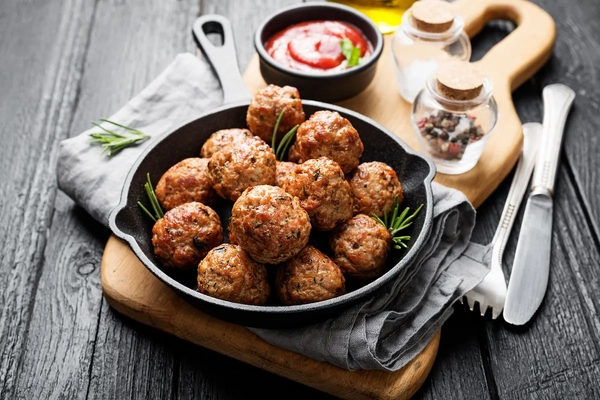
In Avebe’s plant-based meatball trials, the mixture was firm enough to shape immediately after mixing and left less buildup on forming equipment. The meatballs held together when bitten after cooking. Avebe says a customer has adopted the starch in production.
PuraMYL 440 extends Avebe’s clean label starch range to cold preparation. The company is also developing PuraMYL 700, a grade made from waxy potatoes.
In September, ADM and Corbion told us that shoppers want recognizable ingredients in plant-based foods while still expecting the taste and shelf life of the products they replace.
ADM pointed to soy and pea proteins that can reduce the need for extra ingredients, while Corbion described using fermentation-derived ingredients to help maintain flavor and microbial stability as salt is reduced.