


General Mills joins localization trend with China Häagen-Dazs deal

Key takeaways
- General Mills is selling its Häagen-Dazs shop and gifting business in mainland China to a consortium including tea chain operator Ningji, while retaining ownership of the brand and broader China operations.
- The deal reflects a growing trend of multinational F&B companies partnering with local operators to navigate China’s increasingly competitive consumer market.
- Similar moves by Starbucks and Burger King suggest global brands are shifting from direct management toward licensing, joint ventures and local partnerships to drive growth in the country.
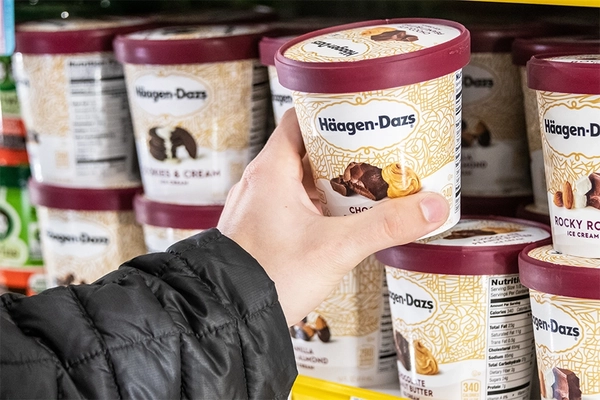
General Mills will sell its Häagen-Dazs ice cream shops in mainland China to an investor consortium including fast-growing tea chain operator Ningji. The deal reflects the broader trend of multinational F&B companies handing greater control of local operations to domestic partners better positioned to navigate China’s increasingly competitive consumer market.
Under the agreement, Ningji and its investor partners will acquire the Häagen-Dazs retail shop and gifting business in mainland China and receive an exclusive license to operate the brand in those channels. General Mills will retain ownership of the Häagen-Dazs retail and foodservice business in China.
The move highlights a growing recognition among foreign consumer goods companies that local operators often have a stronger understanding of evolving consumer preferences, digital ecosystems, and retail dynamics.

Ningji, which operates more than 3,000 premium tea shops across China, brings extensive experience in store operations and customer engagement at a time when international brands face intensifying competition from agile domestic players.
General Mills’ portfolio optimization
The transaction also aligns with General Mills’ portfolio optimization strategy, allowing the company to focus resources on categories and channels with the strongest growth potential, while maintaining a presence in the Chinese market through a licensing model.
As domestic companies gain scale and sophistication, licensing and partnership structures are becoming an attractive route for multinational brands seeking to remain relevant, while reducing operational complexity in one of the world’s most challenging consumer markets.
Financial terms of the transaction were not disclosed. The deal is expected to close in 2026, subject to regulatory approvals and customary closing conditions.
General Mills’ brand portfolio includes household names like Cheerios, Nature Valley, Blue Buffalo, Häagen-Dazs, Old El Paso, Pillsbury, Betty Crocker, Totino’s, Annie’s, and Wanchai Ferry. The US-based company generated fiscal 2025 net sales of US$19 billion.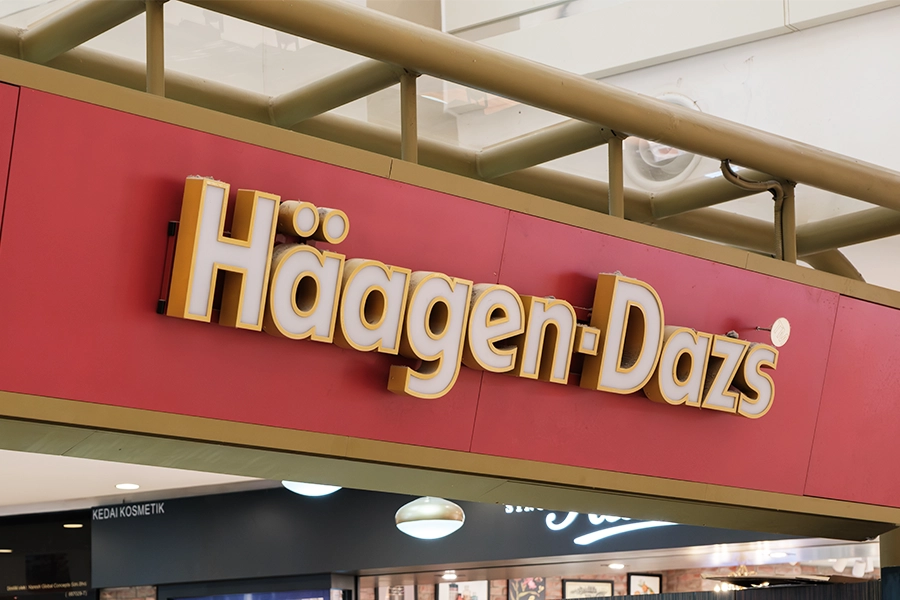 General Mills is handing Häagen-Dazs shop operations in mainland China to a consortium including tea chain Ningji, highlighting the growing role of local operators in managing global consumer brands.
F&B giants sell control in China
The Häagen-Dazs transaction follows a wider trend of global consumer brands turning to local partners to reinvigorate growth in China. Last year, Starbucks agreed to form a joint venture with private equity firm Boyu Capital, reducing its ownership stake in its China retail business, while retaining control of the brand and intellectual property.
Similar to General Mills’ licensing agreement with Ningji, the deal reflects growing confidence in local operators’ ability to navigate shifting consumer preferences and intense competition from domestic brands, while allowing multinational companies to maintain brand presence with a lighter operational footprint.
McDonald’s sale of a majority stake in its China business to local investors in 2017 has been seen by many as the template for localization deals in the country. Since then, the chain has expanded rapidly under local ownership and management.
Burger King has embraced a similar strategy. In 2025, parent company Restaurant Brands International (RBI) sold an 83% stake in Burger King China to private equity firm CPE as part of a US$350 million joint venture aimed at accelerating growth.
While RBI retained a minority stake and ownership of the brand, the deal handed day-to-day expansion to a local partner, reflecting a growing preference among multinational consumer companies to rely on domestic operators to navigate China’s rapidly evolving market.