


UltraPhil targets aseptic development bottleneck as functional beverage innovation accelerates

Key takeaways
- Aseptic development is lagging behind fast-growing functional beverage innovation, increasing pressure on manufacturers.
- UltraPhil highlights a gap in pilot-scale testing that limits accurate assessment of shelf life, stability, and overall product performance before commercial production.
- Earlier pilot-scale validation can reduce costs, speed development, and improve scale-up confidence.
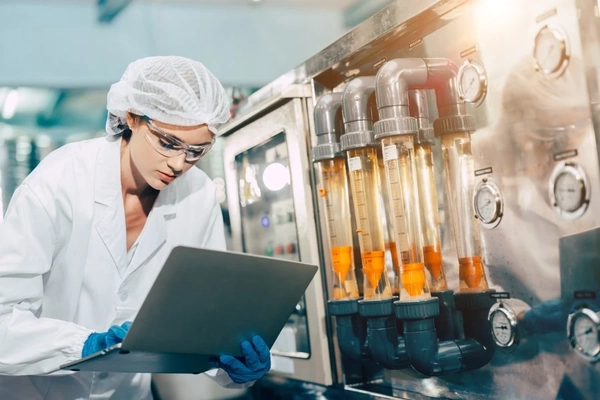
The rapid expansion of functional beverages, protein drinks, and clean label formulations is placing growing pressure on beverage manufacturers to accelerate innovation while maintaining product stability and quality.
However, according to UltraPhil managing director John Eaton, the industry’s aseptic development processes have not kept pace with the complexity and speed of modern product innovation.
Aseptic development processes involve testing beverage formulations under sterile processing and packaging conditions to assess product safety, stability, sensory quality, and shelf life. They are a critical step in the successful commercialization of shelf-stable drinks.
UltraPhil’s newly established Aseptic Center of Excellence, Rochester, New York, US, is designed to help beverage brands and ingredient companies evaluate formulations under real-world aseptic and extended shelf life processing conditions at pilot scale before commercialization.

The facility focuses on how ingredients behave during processing, including impacts on stability, flavor, texture, shelf life, and overall ingredient integrity, providing developers with earlier-stage validation before committing to commercial production.
Rising formulation complexity
Eaton says the surge in high-protein beverages, fiber-enriched drinks, and dairy alternatives is fundamentally changing formulation challenges in the sector.
He tells Food Ingredients First that many trending functional ingredients are sensitive to heat-based aseptic processes, which can degrade performance or alter sensory profiles.
“A lot of functional ingredients that are trending have challenges in that the heat treatment of aseptic processes can severely degrade them.”
“As beverages get more complex, batching also becomes an issue as far as keeping up with the line, and also the creation of foam that must be dealt with vacuum systems that some sites do not have. UltraPhil has this capability.”
Faster innovation cycles
Product development timelines are shrinking, as beverage companies race to respond to changing consumer preferences, emerging trends, and retailer demands.
With more stock keeping unit experimentation and shorter innovation cycles becoming the norm, manufacturers are under increasing pressure to accelerate formulation, testing, and validation, while bringing products to market faster.
“Unfortunately, there is little adaptation other than needing to do more with the same or fewer resources. This is where UltraPhil can help in that they can get shelf life and other organoleptic analysis done earlier and more cost-effectively than before, which will speed up the innovation cycle,” says Eaton.
“Instead of waiting for your first commercial run, or a very expensive plant trial at scale (and wait for capacity windows to execute it), folks can do that work at UltraPhil earlier in the innovation process, cutting weeks to months out of the innovation cycle.”
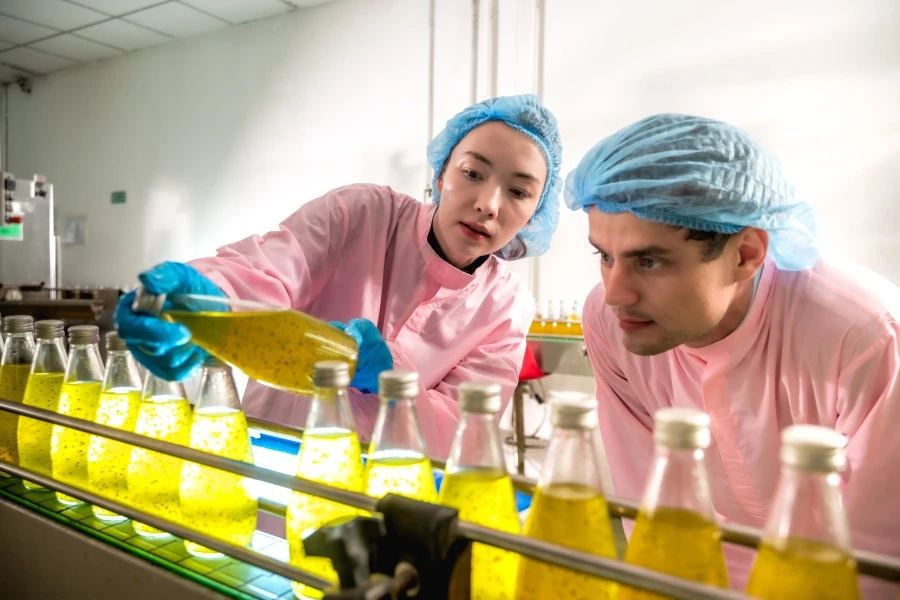 Aseptic development tests beverage formulations under sterile processing and packaging conditions to validate safety, quality, stability, and shelf life for successful commercialization.
Pilot-scale validation
As beverage innovation becomes more complex — with growth in low-acid formulations, dairy-based beverages, protein drinks, and evolving packaging formats — brands are placing greater emphasis on de-risking products before they reach commercial scale.
Protein remains the dominant area of experimentation, with innovation also expanding into fiber-based formulations. Alongside this, enhanced dairy products — including ultrafiltered milk and protein-fortified dairy — continue to see strong development activity.
Pilot-scale production is increasingly being used to validate formulations, packaging, and operational feasibility before major manufacturing investments are made.
“This has always been a significant issue, but as the industry shifts to dairy/low-acid proteins, etc., low-acid aseptic pilot production (and the gaps in that area) have become more and more important, including for cost reductions, ingredient swap outs (for business continuity), packaging material changes (shifts from HDPE to PET bottles, thinner walled bottles),” says Eaton.
Early-stage testing
“The small-scale pilot production becomes even more important to start-ups, entrepreneurs and smaller-scale companies, or companies with no manufacturing infrastructure, looking to get into the space, with little to no access to get samples of their products realized,” he continues.
“Plant trials at scale can cost upwards of US$450,000. Pilot scale production is the only way they can afford to get their visions realized.”
Eaton says the facility is designed to give manufacturers a level of predictability that has historically been difficult to achieve in aseptic beverage development. He says the biggest thing is getting samples that reflect exactly what the product will look, taste, and behave like when scaled.
“UHT heating technology, along with its hold time and temperature, have significant impacts on product stability, shelf life, and product organoleptic qualities. UltraPhil’s UHT is designed to be able to replicate any commercial scale UHT heating technology and process, ensuring what you develop at pilot scale will scale seamlessly,” he says.
Pilot-scale testing helps shift critical validation away from expensive commercial runs, allowing companies to test shelf life and performance earlier, reduce costs, and avoid unnecessary sample waste.