



Scientists overcome plant protein taste barriers with fermentation


Key takeaways
- US-based scientists develop a two-step fermentation process to reduce off-flavors in plant proteins.
- The process uses beneficial bacteria and traditional yogurt cultures to break down odor-causing compounds.
- The study supports plant-based food innovation as consumer demand for healthy, sustainable, and flavorful plant protein alternatives rises.

Scientists in the US have developed a two-step fermentation process to remove 95% to 99% of the “beany or grassy” unpleasant aromas from plant-based protein — a major barrier to the adoption of healthier food alternatives. The method can help F&B manufacturers increase consumer acceptance of plant-based foods, as sustainable, health-conscious, and allergen-friendly foods continue to grow in popularity worldwide.
Most plant-based proteins, especially milk and dairy product substitutes, naturally emit odors that can lower consumer appeal, as smell strongly influences flavor perception. The method counters the odors typically produced during the cultivation and extraction of these proteins, while also advancing the development of flavorful plant-based dairy snacks.

A team of researchers at The Ohio State University tested the fermentation process on eight types of plant proteins — 9% soy, pea, chickpea, mung bean, faba bean, rice, barley-rice, and hemp — with human sensory evaluation results revealing “consistent and often near-complete” reductions in smells.
The method paves the way for consumers to embrace a wider variety of safe and nutritious food choices, says Sheryl Barringer, the study’s senior author and a professor of food science and technology at the university.
“Plant-based proteins are becoming more popular, either as people become vegetarians or just want to reduce their meat consumption,” she says. “Consumers want that option, but they don’t want to give up on the taste.”
The earthy or beany and often sulfurous or cereal-like notes can make it difficult for consumers to choose healthier food alternatives, note the researchers.
“Lots of factors all contribute to food preference, but it’s really hard to say I’m going to force myself to eat a product because it’s good for me, even if it tastes bad,” says Barringer.
Tapping fermentation’s potential
The findings, published in the journal Foods, describe how the two-step fermentation method outperforms one-stage fermentation across all proteins.
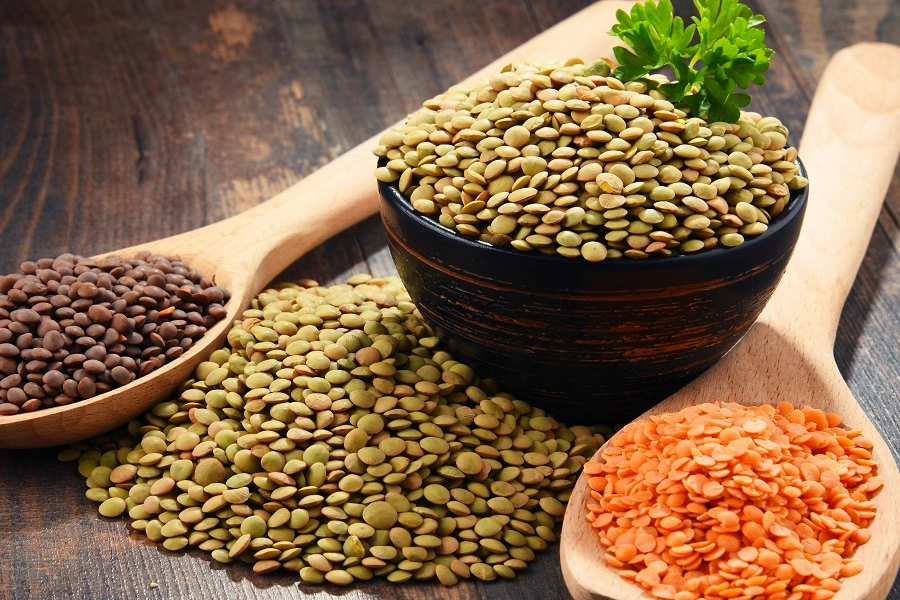 Fermentation transforms plant-based proteins by eliminating beany, grassy, and other off-flavors that impact taste.The first stage of the experiments involved adding the beneficial bacterium Lactobacillus plantarum to microbial cultures. This allowed fermentation and initiated the breakdown of the compounds responsible for the foul odors of plant proteins.
In stage two, the researchers used a traditional yogurt culture containing various common bacteria that form and modulate desirable aromas to complete the fermentation process, the authors explain.
Adding the second step doesn’t overcomplicate the fermentation process, explains Manpreet Kaur, lead author of the study and a PhD student in food science and technology at Ohio State.
She adds that future plant-based proteins created using this team’s “anti-smell method” would not cost consumers more or take longer to make.
“We are using the same things that are used in the normal fermentation process. The only thing changed is how we utilize the bacteria,” Kaur adds.
The study also shines a light on how manufacturers can use fermentation to tackle unsavory sensory challenges in plant-based foods and to advance alt-dairy snack innovation.
“There’s a real focus on people wanting to be healthier and more environmentally conscious, and a push for plant-based products instead of meat and dairy products,” says Barringer. “So I expect this area of research will absolutely continue to grow in the next many years.”
Advancing plant-based innovation
Protein innovation continues to rise in plant-based F&B products. There was a 4% growth in plant-based F&B launches worldwide between October 2020 to September 2025, according to Innova Market Insights data. Nearly 32% of consumers said plant-based means healthy or natural food in general.
 Nearly 32% of consumers associate plant-based foods with being healthy or natural, suggests Innova Market Insights data from October 2020 to September 2025.Amid such heightened consumer focus on health through lifestyle changes and diet improvements, scientists and companies are getting creative with plant-based protein innovation.
Last year, a study in Denmark revealed that lactic acid bacteria can address plant-based dairy off-flavors. Flavor innovators are also tackling plant-based off-notes by neutralizing bitterness at the molecular level.
Meanwhile, Burcon is leveraging pea and sunflower proteins to improve the sensory properties in plant‑based cheeses, and Cargill is harnessing fermentation for enhancing the taste and functionality of plant-based proteins.
“This focus [on fermentation] improves ingredients that food manufacturers already use, reducing reformulation risk while expanding where plant proteins can realistically compete,” Paula Garcia, senior director of R&D at Cargill, told Food Ingredients First when we visited its European Innovation Center in Vilvoorde, Belgium, last month.



Upcoming webinars

Oat-Standing Ingredients - Showcasing Irish Grain Through Innovation
Tirlán Ingredients

2027 Food Safety Risks for Quality & Compliance Leaders
FoodChain ID

Formulating for function: Developing benefit-led beverages with natural colours, botanicals, and flavours
Givaudan Sense Colour