



UN FAO: Global livestock production surges over 60 years but access gaps persist

Key takeaways
- Global production of meat, milk, and eggs has surged over the past six decades, driven mainly by poultry and pork, according to FAO data.
- Despite strong growth in supply, access remains uneven, with significant regional disparities and limited per capita gains in lower-income regions.
- Food loss, waste, weak cold chains, and limited trade continue to constrain availability, while environmental and system pressures are increasing.
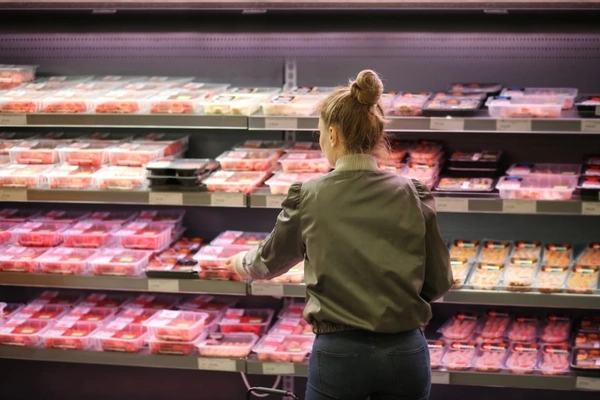
Global production of meat, milk, and eggs has expanded dramatically over the past 60 years, reshaping livestock into one of the fastest-growing parts of the agricultural sector, according to a new UN FAO analysis.
The report highlights that the global supply of terrestrial animal source foods (TASF), including products from mammals, birds, and insects, increased sharply between 1961 and 2022. Growth was driven largely by a rapid increase in poultry, alongside steady gains in eggs and pork. In contrast, bovine meat production has remained broadly stable or declined in several regions.
By 2022, global output had reached 361 million metric tons of meat, 930 million metric tons of milk, and 94 million metric tons of eggs, reflecting sustained expansion in livestock systems worldwide.

Uneven global access
Despite this growth, the report underscores that production increases have not translated evenly into availability. Regional disparities remain pronounced, with Asia now the largest producer of animal source foods, followed by Europe, while per capita supply remains highest in Northern America.
In contrast, per capita availability in sub-Saharan Africa has remained largely stagnant, with only limited improvements in certain products, such as milk in Kenya and poultry in South Africa.
The FAO also highlights that food loss and waste continue to play a significant role in shaping global access to animal source foods. Around one-third of all food produced is lost or wasted, including an estimated 14% of terrestrial animal source foods.
These losses are often linked to limited cold chain infrastructure, temperature control challenges, and the perishable nature of livestock products, particularly in low- and middle-income countries.
Trade flows, while increasing, remain relatively limited in shaping global supply, accounting for only around 10% of total consumption. Most production is still consumed domestically.
Beyond production and distribution, the report points to the importance of food environments in shaping dietary patterns.
It notes that affordability and accessibility often favor higher-fat meat and dairy products over healthier alternatives, while policy priorities differ significantly across income groups. These range from food safety and marketing regulation in higher-income countries to production expansion and affordability in lower-income settings.
Environmental system pressures
The analysis also examines livestock within wider sustainability and system pressures. These include environmental impacts, such as land-use change, deforestation, and emissions, alongside resource constraints, animal health challenges, and welfare concerns.
Broader risks linked to zoonotic disease transmission, antimicrobial resistance, and inequity are also highlighted.
While some experts believe livestock can support food security and healthy diets across diverse environments, the FAO notes that the sector faces growing challenges. These include environmental pressures, such as deforestation, land-use change, emissions, and resource use, alongside animal welfare concerns, inequity, and risks linked to zoonotic diseases, foodborne illnesses, and antimicrobial resistance.
Overall, the report presents livestock as a rapidly expanding but unevenly distributed component of global food systems, where gains in production continue to outpace improvements in access, infrastructure, and sustainability outcomes.
A different FAO report has warned that, under current trends driven by growing demand for animal source foods, global antimicrobial use in livestock is projected to increase by almost 30% by 2040 compared with 2019.