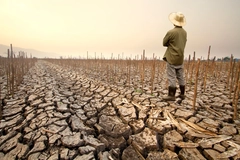



Global food prices rise for third consecutive month as Near East conflict strains supply chains


Key takeaways
- FAO’s Food Price Index rose 1.6% in April, driven by vegetable oils and record meat prices.
- Palm oil climbed for the fifth consecutive month as biofuel demand competed directly with food supply.
- Strait of Hormuz disruptions are pushing up fertilizer costs, threatening agricultural production well beyond 2026.

World food commodity prices rose again in April. It was the third consecutive monthly increase, driven by higher costs across vegetable oils, meat, and cereals as the effective closure of the Strait of Hormuz continued to push up energy and fertilizer prices.
The Food and Agriculture Organization’s (FAO) Food Price Index averaged 130.7 points in April, up 1.6% from March and 2% above the same month a year ago. The index remains 18.4% below its March 2022 peak.
“Despite the disruptions linked to the crisis in the Strait of Hormuz, global agrifood systems continue to show resilience,” says FAO chief economist Máximo Torero. “Cereal prices have increased only moderately so far, supported by relatively strong stocks and adequate supplies from previous seasons.”
Fuel competes with food
The vegetable oil index rose 5.9% from March, its highest reading since July 2022. Palm oil prices climbed for the fifth consecutive month on stronger anticipated demand from the biofuel sector, policy incentives in producing countries and higher crude oil prices. Supply concerns in Southeast Asia added more pressure.
Soy and rapeseed oil prices rose on biofuel demand in the US and the EU. Sunflower oil prices stayed elevated on persistent supply tightness in the Black Sea, although Argentine quotations softened as seasonal crushing activity picked up.
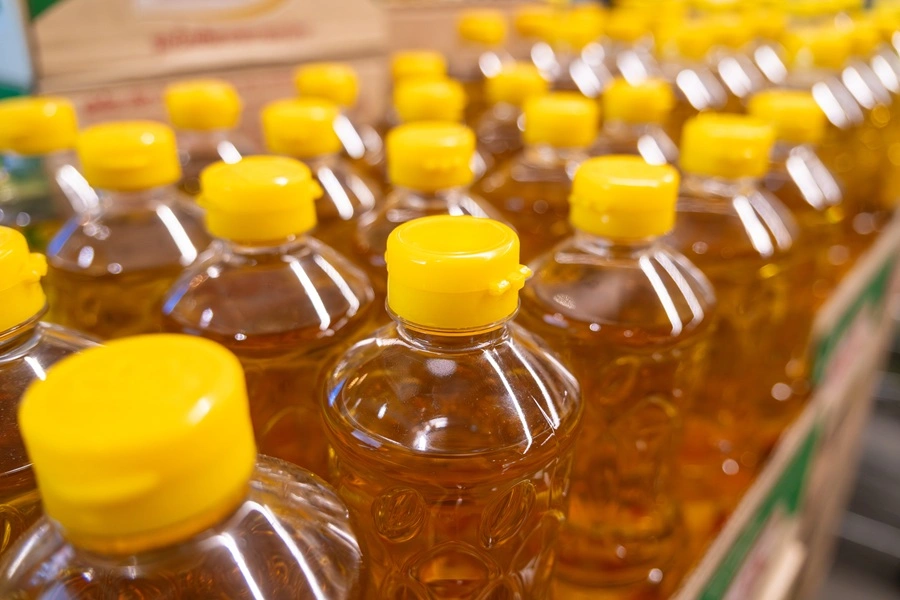 Vegetable oil prices are rising, mainly due to higher oil prices boosting biofuel demand.“Vegetable oils are experiencing stronger price increases, driven largely by higher oil prices, which are increasing demand for biofuels and putting additional pressure on vegetable oil markets,” Torero explains.
Meat hits all-time high
The FAO Meat Price Index reached a record high in April, up 1.2% from March and 6.4% from a year ago.
Bovine meat led the increase. Brazilian export prices climbed as limited slaughter-ready cattle supplies, tied to ongoing herd rebuilding, constrained availability. Chinese demand added pressure — import quotas under a new three-year safeguard framework are being filled rapidly.
Pig meat prices rose on firmer EU quotations and rising seasonal demand, partially offset by ample Brazilian supplies. Poultry prices increased as buying from African markets outpaced softer sales to the Near East, where shipments are being rerouted through the Red Sea. Ovine meat prices were broadly unchanged.
Climate pressure on crops
The Cereal Price Index rose 0.8% from March and 0.4% from a year ago. Wheat gained 0.8% on drought concerns in parts of the US and below-average rainfall forecasts for Australia. FAO also expects reduced wheat plantings in 2026, as farmers shift to less fertilizer-intensive crops in response to high input costs tied to the Strait of Hormuz disruptions.
Maize rose 0.7% on tighter supplies, weather concerns in Brazil, dry sowing conditions in the US and firm ethanol demand. Rice rose 1.9% as higher crude oil prices pushed up production and marketing costs in exporting countries. Sorghum dropped 4% on weaker import demand, particularly from China, and improved supply prospects in producing countries.
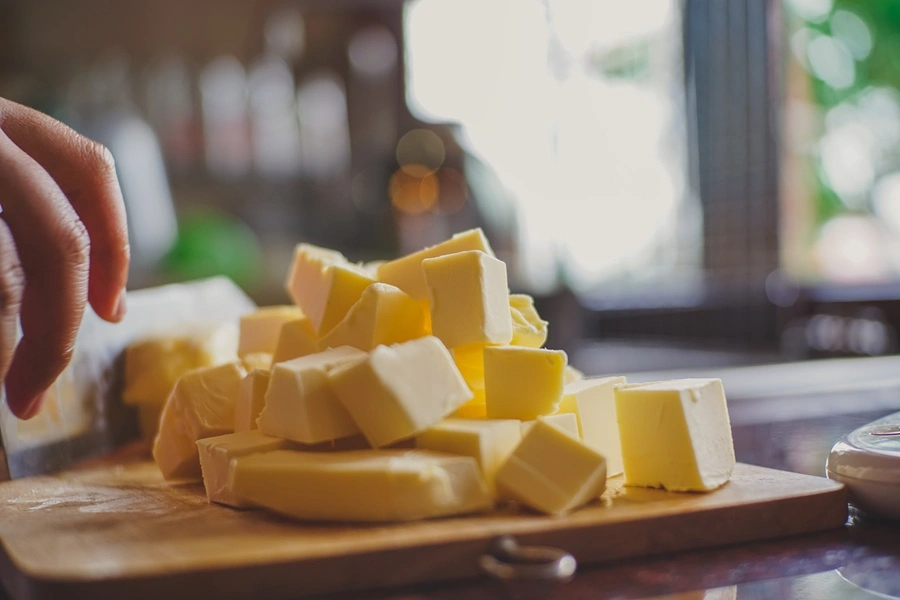 FAO Dairy Price Index dropped 1.1% from March, driven by lower butter and cheese prices due to increased EU milk supplies.The Agricultural Market Information System, hosted by FAO, noted in its April Market Monitor that the Strait of Hormuz closure has pushed up urea and phosphate prices, undermining fertilizer affordability and raising risks for future agricultural production.
Abundant milk weighs on dairy
Not all categories moved upward. The FAO Dairy Price Index fell 1.1% from March. Butter and cheese prices led the drop as abundant EU milk supplies and stronger-than-expected late-season output in Oceania boosted cream availability and cheese production. Skim milk powder bucked the trend, reaching its highest level since October 2022 on strong import demand from North Africa, the Near East and Southeast Asia.
Sugar fell 4.7% from March and 21.2% from a year ago. Ample global supplies, improved production prospects in China and Thailand, and the start of Brazil’s new harvest under favorable weather conditions all weighed on prices.
Hormuz disruption lingers
FAO raised its 2025 global cereal production forecast to 3.04 billion tons, a 6.0% increase over the previous year. The figure helps explain why cereal price increases have been moderate despite broader market pressures.
The 2026 outlook is less certain. FAO now forecasts world wheat production at 817 million metric tons, down about 2% from the prior year but still above the five-year average. The full effect of the Strait of Hormuz closure on input costs and 2026 planting decisions remains to be seen.



Upcoming webinars

Oat-Standing Ingredients - Showcasing Irish Grain Through Innovation
Tirlán Ingredients

2027 Food Safety Risks for Quality & Compliance Leaders
FoodChain ID

Formulating for function: Developing benefit-led beverages with natural colours, botanicals, and flavours
Givaudan Sense Colour