



Rockwell Automation and Actemium unveil AI-powered refrigeration system for frozen food energy savings


Key takeaways
- Rockwell Automation and Actemium unveil an AI-driven refrigeration optimization solution for the frozen food industry.
- The solution improves energy efficiency by continuously monitoring and optimizing refrigeration systems.
- It aims to address energy, cost, and sustainability challenges in industrial refrigeration across food production.

US-based Rockwell Automation and industrial engineering firm Actemium have introduced an AI-driven refrigeration optimization solution that reduces energy use by nearly 17% in frozen food production. The innovation aims to address the energy, cost, and sustainability challenges in industrial refrigeration, which accounts for up to 70% of a plant’s electricity consumption.
Paris-based Actemium has developed the solution, known as Real-Time Coefficient of Performance (RtCOP), for a large producer of frozen French fry products (identity not disclosed). It runs on the PlantPAx control platform from Rockwell Automation, which says RtCOP delivers nearly US$130,000 annual savings per site.
The system continuously monitors the cooling system in real time and automatically chooses the most energy-efficient way to operate refrigeration systems, helping reduce electricity costs and improve performance.
“Autonomous optimization can help food producers conserve energy, reduce costs, and ease demands on their workforce,” says Jim Gillis, general manager, Actemium Atlantic Canada.
He emphasizes that the system can potentially transform refrigeration across food manufacturing. “Energy‑based equipment ranking that is performed continuously and consistently is something human operators simply can’t do in real time.”
Overcoming frozen food industry challenges
Studies show that refrigeration accounts for nearly 35% of electricity consumption in the global food industry. In the EU, cooling and freezing in the food industry contribute to about 30% of electricity consumption.
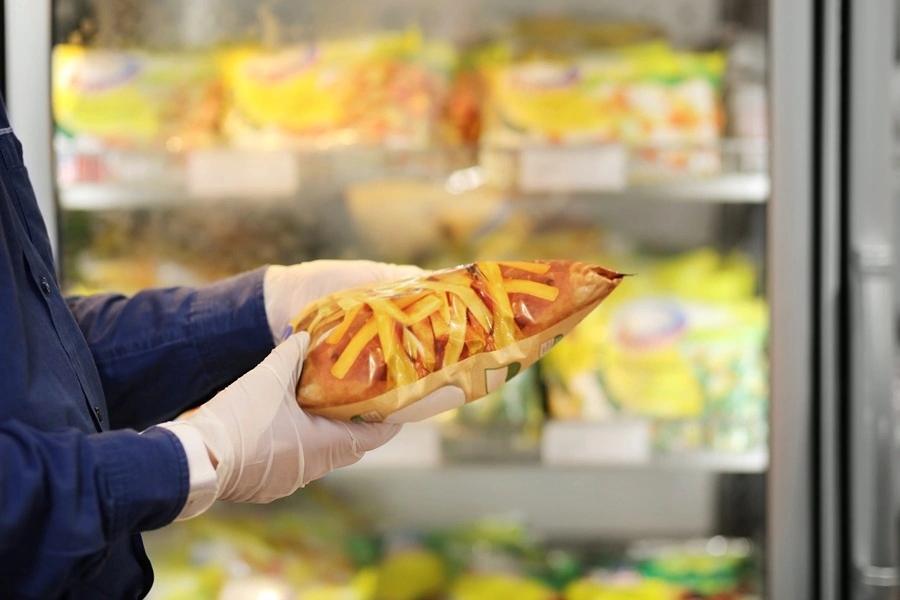 The companies’ refrigeration optimization system is currently helping a frozen French fry producer increase energy efficiency by 17% (Image credit: Actemium).Rockwell, based in Milwaukee, Wisconsin, emphasizes that historically, refrigeration systems are aimed at meeting the cooling demand rather than maximizing energy efficiency. This is partly because operators do not have the time and tools to continuously evaluate performance shifts, notes the company.
“Solutions like RtCOP are increasingly needed as food producers face skills shortages, particularly in specialized areas like refrigeration, and pressure to operate more efficiently and sustainably,” says Kris Dornan, commercial marketing manager at Rockwell Automation.
“Technologies like the PlantPAx modern DCS make AI-driven autonomous applications possible, and experienced partners like Actemium make them happen.”
Actemium is helping the unnamed food producer scale the solution across its refrigeration systems, and uses digital dashboards to monitor and compare how efficiently each plant’s refrigeration system is performing.
F&B sector advances energy saving
Rockwell and Actemium’s innovation comes amid a rise in demand for frozen foods driven by urbanization and consumer demand for convenient, ready-to-eat meals, according to Innova Market Insights. This, in turn, increases the need for energy-efficient production systems.
The food industry is making an effort to bring down energy costs through techniques like raising frozen storage temperatures. For instance, increasing the temperature by 3°C can potentially reduce freezer energy use by 10% without affecting food quality or safety in frozen products like poultry, fish fingers, salmon filets, pizza, and peas.
This week, Bühler Group spoke to Food Ingredients First about its new energy-saving roasting and mixing systems for the chocolate and bakery industry at Interpack 2026 in Düsseldorf, Germany. The AI-based tools cut energy use by up to 30%, while increasing throughput and speed.



Upcoming webinars

Oat-Standing Ingredients - Showcasing Irish Grain Through Innovation
Tirlán Ingredients

2027 Food Safety Risks for Quality & Compliance Leaders
FoodChain ID

Formulating for function: Developing benefit-led beverages with natural colours, botanicals, and flavours
Givaudan Sense Colour