

Organic farmers fear patents will undermine biodiversity wins in new seed law


Key takeaways
- The EU finalized a major modernization of its seed marketing laws, consolidating ten outdated directives from as far back as the 1960s into a single framework.
- Organic farmers celebrated new exemptions that simplify the registration and sale of genetically diverse, local, and heirloom conservation crops.
- Despite the wins, the organic sector fears progress will be undermined by limits on farmer seed exchanges and a separate EU push for patented, gene-edited crops.
EU policymakers are looking to cap off more than three years of negotiations following a final trilogue agreement on the new Regulation for the production and marketing of plant reproductive material (PRM), on June 15, 2026. While the organics sector, represented by IFOAM Organics Europe, celebrates friendly new seed laws for biodiversity and organic seed registration, its stakeholders voice concerns about their potential restrictions on farmer seed exchanges and seed patenting.
Proposed in July 2023, this major legislative overhaul consolidates ten outdated directives — some of which have not been updated since the 1960s — into a single, modernized framework that governs the production and marketing of seeds, tubers, and cuttings across the market.
Organic farmers welcome that the update keeps OHM (organic heterogeneous material) under organic regulation and simplifies registration rules. Moreover, it protects traditional, local crops by adapting marketing laws to accommodate conservation varieties.
In the next steps, IFOAM Organics Europe awaits the EU to officially pass specific testing rules for each organic crop species. These tailored standards will ensure organic seeds are not unfairly penalized for their natural genetic diversity.
“Biodiversity is essential to make our farming systems more resilient, and the organic movement welcomes that the new PRM legislation will provide organic farmers and breeders with access to more genetically diverse cultivars,” says Eric Gall, deputy director of IFOAM Organics Europe.
Restrictions on farmer seed exchanges
The new updates answer calls from a coalition comprising 200 farmers, breeders, seed savers, and environmental organizations criticizing the current seed system policy in Europe, which flagged the urgency of reviewing the original policy that prevented key agri-food stakeholders from conserving and developing crop diversity in the region.
However, the European organic players are worried that farmers’ seed exchanges could be restricted by the new legislation. “While we welcome the exclusion of gene banks from the scope, we regret that the exclusion was not extended to all work done for the purpose of conservation of genetic resources and to farmers’ seed exchanges,” says Gall.
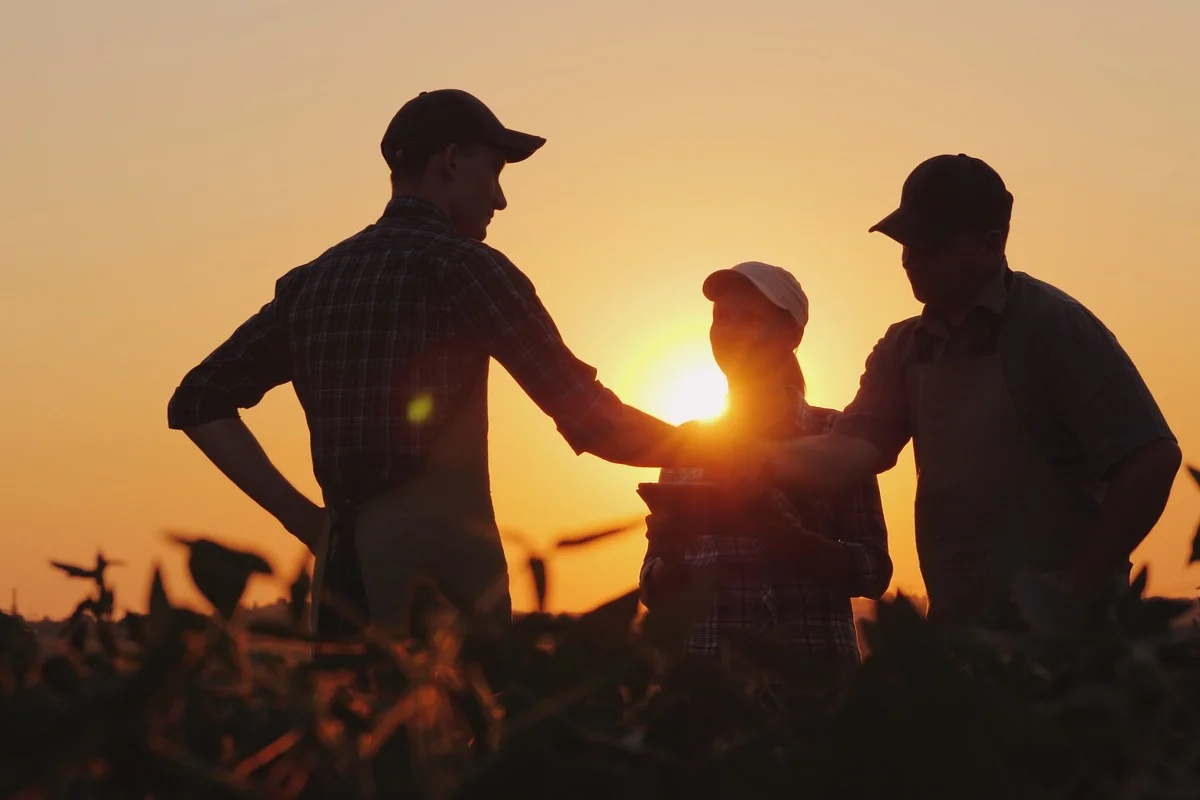 European organic players are worried that farmers’ seed exchanges could be restricted by the new legislation.IFOAM Organics Europe voices concerns that the provisions on farmers’ seed exchange could result in inconsistent implementations across Member States, with some countries enforcing strict quantity and geographical restrictions that may limit their practical feasibility.
“The agrobiodiversity we benefit from nowadays originates from the dynamic management and selection practices carried out by farmers and conservation networks,” Gall says. “Limiting these practices runs counter to the objective of protecting agrobiodiversity, and farmers should be allowed to access suitable seeds for their local conditions and agricultural practices.”
Previously, seed preservation advocates pushed back on the proposed changes. The NGO Arche Noah warned about the risks of creating a “de facto ban” on newly-bred, local conservation staple crops — like grains and potatoes — which it believed could ultimately undermine both agricultural biodiversity and the variety of F&B goods on the market.
Potential barriers to new varieties
IFOAM Organics Europe also expressed concerns regarding the extension of the mandatory Value for Sustainable Cultivation and Use tests to potatoes and vines, as it risks hampering the development of new varieties.
Finally, the organic sector is concerned that the PRM Regulation’s progress for agrobiodiversity could be “offset and jeopardized” by corporate patents on seeds and new genomic techniques (NGT) EU rules — an entirely separate set of regulations currently under debate — which it considers an “abusive exclusive appropriation” of plant genetic resources.
Last December, the EU pushed forward with rules to ease restrictions on gene-edited crops, in a professional agreement, which opponents say makes it easier for corporations to control European seed supply through patents. While many agree it gives EU farmers better and faster access to seeds and innovation, opponents say it could lead to companies monopolizing genetic traits under a two-tier NGT system.
In response, IFOAM Organics Europe calls on MEPs to vote in plenary on June 17, in favor of amendments to protect breeders and farmers from patents and to safeguard the European model of innovation in breeding.
The organic sector’s commentary on the new seed rules comes during a broader period of regulatory transition, as EU member states recently endorsed simplified organic farming rules to cut red tape for smaller operators. In May, the EU Council moved toward easing certification requirements and adjusting turnover thresholds, including exemptions for some online retailers selling pre-packed organic products.