




EU seed law reform: Can Europe balance modern breeding and crop diversity?

Key takeaways
- The European Parliament, Council, and Commission aim to finalize the EU seed law, determining how commercial operators and small breeders can develop and distribute crops.
- The draft EU Plant Reproductive Material Regulation is designed to modernize seed laws, but raises questions about support for locally adapted and conservation varieties.
- Advocacy groups like Arche Noah warn that aspects of the draft EU seed law could limit local and conservation crop varieties.
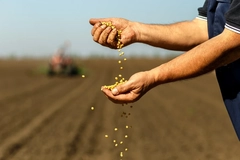
As trilogue negotiations on the new EU seed law draw near (April 21), advocacy and seed preservation NGO Arche Noah warns the current draft risks creating a “de facto ban” on newly-bred, local conservation staple crop varieties, such as grains and potatoes, which could undermine agricultural biodiversity and F&B product variety.
The EU’s Plant Reproductive Material (PRM) Regulation, initially proposed in July 2023, is a legislative overhaul aimed at unifying ten existing directives into a single regulation, governing the production and marketing of seeds, tubers, cuttings, and other plant reproductive materials.
The bloc’s latest seed reform aims to modernize the system — some parts of which have not been updated since the 1960s — by requiring most seeds sold in the EU to be registered, tested, and standardized, ensuring quality and traceability across the market.

EU policymakers argue these requirements are essential to safeguard plant health, improve transparency in the internal market, and ensure farmers have access to reliable, high-quality seeds.
Agricultural biodiversity in danger?
The EU presents its new seed rules as a long-overdue legislation overhaul, promising clearer, harmonized rules, support for modern breeding techniques, and faster access to high-quality seeds suited to climate change mitigation and pest control.
It frames the reform as a win for innovation, biodiversity, and food security, highlighting lighter rules for conservation and organic varieties, while integrating seeds more tightly into traceability and plant health systems.
However, critics are concerned about the proposed law, which they claim would strictly define how seeds must be handled and favor large commercial companies over small breeders and farmers who often use local seed varieties, which are more diverse but may not fit strict rules.
Arche Noah — the Society for the Conservation and Dissemination of Crop Diversity — argues the draft law in its current form is a threat to diversity because of its stricter requirements.
The NGO claims these restrictions could potentially weaken agriculture’s ability to adapt to climate change. Conservation varieties are also essential to resilience against diseases and pests.
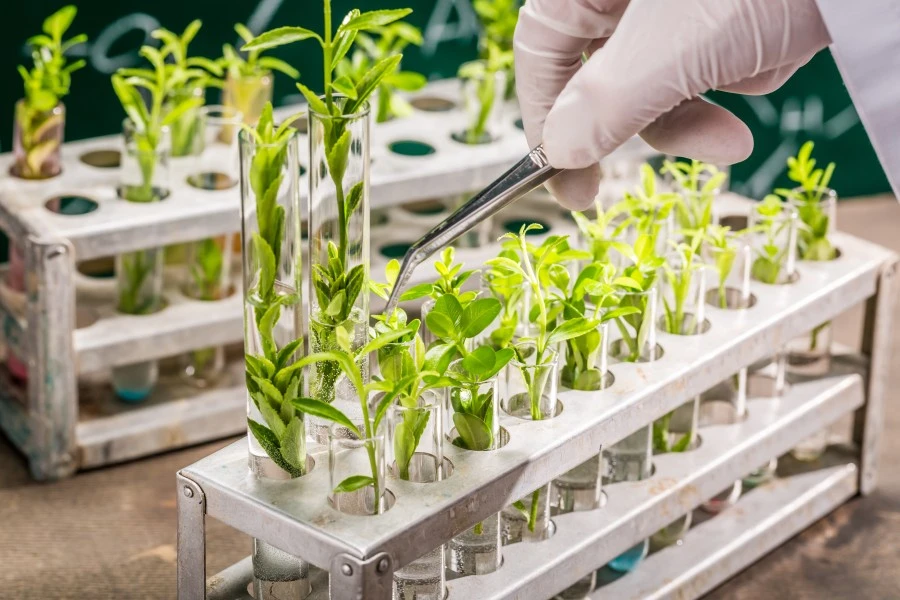 The EU says its new seed rules will modernize outdated laws by harmonizing standards, boosting modern breeding, and speeding up access to high-quality, climate- and pest-resilient seeds.
Stunted innovation claims
Speaking with Food Ingredients First, Paul Grabenberger, senior policy officer at Arche Noah, argues that industry could lose access to diverse crops for product innovation, which would, in turn, have a direct impact on the variety of F&B products developed.
He stresses how niche breeding delivers more than just new varieties — it provides deep know-how, locally adapted seeds suited to specific regions.
“In the next trilogue, the parliament must hold the line on conservation varieties. Most importantly, it must reject the council’s restriction that would confine newly bred conservation varieties to fruit and vegetables only. That would amount to a de facto ban on innovation in cereals, potatoes, and oilseeds — precisely the crops farmers in marginal regions rely on most,” says Grabenberger.
“The parliament should also insist that conservation varieties can be produced beyond their region of origin. Climate change does not stop at borders, and neither should seed adaptation.”
“Within a few years, it could be possible that we see fewer regionally distinctive breads, beers, and vegetable products — not because farmers don’t want to grow diverse crops, but because the rules quietly make it impossible to market them.”
Restricting newly bred local conservation varieties would directly affect F&B manufacturers who depend on distinctive raw materials — from regional grains for bread to special barley for beers, argues Grabenberger.
“If manufacturers can only source diversity from a narrow list of crops and regions, Europe’s food culture becomes poorer and more standardized.”
Newly bred conservation varieties
There are many solid examples of how newly bred conservation varieties are important for innovation, like Thy Whisky, a Danish craft distillery producing organic, farm‑to‑bottle whisky from locally grown and heritage grain varieties. Switzerland’s organic breeder GZPK has registered the winter wheat “Rote Zora,” a newly-bred organic variety with dark red‑violet husks, delivering “excellent” baking quality.
Another example is the new malting barley variety “Alpetta” from Gran Alpin, which is especially suitable for cultivation at higher altitudes and processed into local beers by several Swiss breweries. There are several other new wheat, triticale, or maize varieties registered as niche varieties.
Under the council’s proposal, it would no longer be possible to register or sell new inventions like these in Europe, argues Grabenberger.
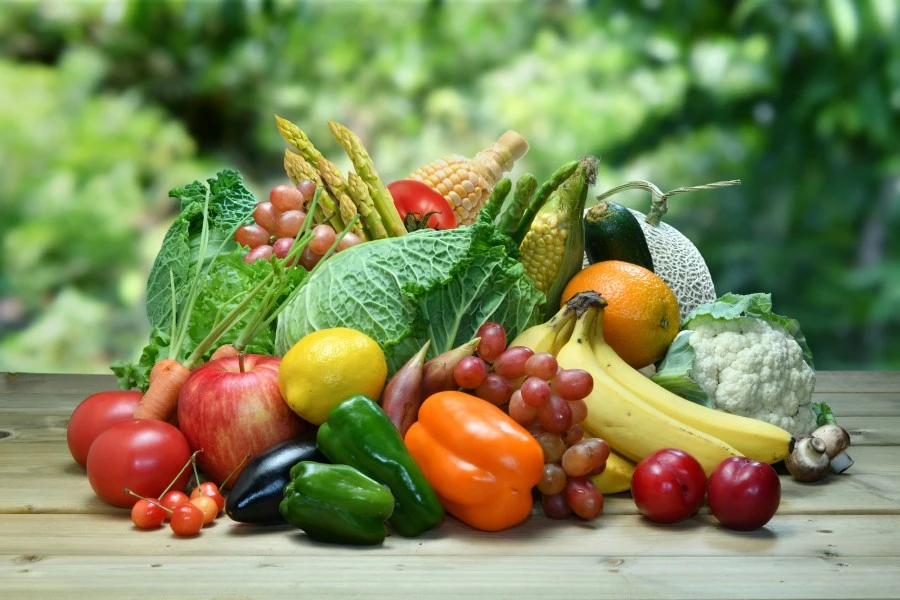 The draft EU seed reform would tighten registration and marketing rules for fruit and vegetable seeds, potentially affecting which varieties reach the market and how easily diverse, locally adapted types can be commercialized.
Previous attempt at reform
This is not the first time the draft regulations on seeds have come under fire. In November 2025, a coalition consisting of 200 farmers, breeders, seed savers, and environmental organizations joined forces to criticize the current seed system policy in Europe. They also claimed that it needs urgent review and should not be backed by the council in its current form, as it doesn’t allow key agri-food stakeholders to conserve and develop crop diversity in Europe.
In 2014, an attempt to reform EU seed laws was sought for similar reasons to the current push, such as harmonizing rules, modernizing decades-old regulations, aiming to simplify procedures, and supporting innovation in plant breeding.
However, the proposal faced strong opposition from small farmers, breeders, and conservation groups, who argued it favored large commercial operators and imposed excessive administrative burdens, particularly on niche and locally adapted varieties — just like today.
As a result, the reform effort failed, leaving the old system in place and highlighting the ongoing challenge of balancing regulation, innovation, and biodiversity in European agriculture.
“Compared to 2014, climate and geopolitical pressures are far greater, and awareness of seed diversity’s role in food security has grown (200,000 people all over Europe support the petition Raise our Forks) — but if parliament waters down its position in trilogue, Europe could end up with a law that praises diversity in theory while blocking it in reality,” says Grabenberger.
Europe’s seeds at a crossroads
The April 21 trilogue negotiations will try to finalize the new EU seed law, and will test how Europe navigates the complex intersection of regulation, innovation, and agricultural diversity.
The trilogue’s outcome could set long-term rules for both commercial operators and small breeders, shaping the way locally adapted crops are developed and distributed. Beyond the farm, these decisions may influence food security, supply chains, and the resilience of Europe’s broader agricultural system.




Upcoming webinars

2027 Food Safety Risks for Quality & Compliance Leaders
FoodChain ID

Formulating for function: Developing benefit-led beverages with natural colours, botanicals, and flavours
Givaudan Sense Colour
Let's reveal the grain potential: Innovate
Meurens Natural