
Plant-based naming dispute: How the EU’s new rules could disrupt food marketing

Key takeaways
- EU negotiators move to ban 31 “meaty” names for plant-based food products.
- The rules are expected to trigger widespread rebranding, packaging updates, and higher compliance costs, with SMEs likely to face the biggest disruption.
- Uncertainty remains around enforcement across EU languages, hybrid products, and future novel foods, such as cultivated meat.
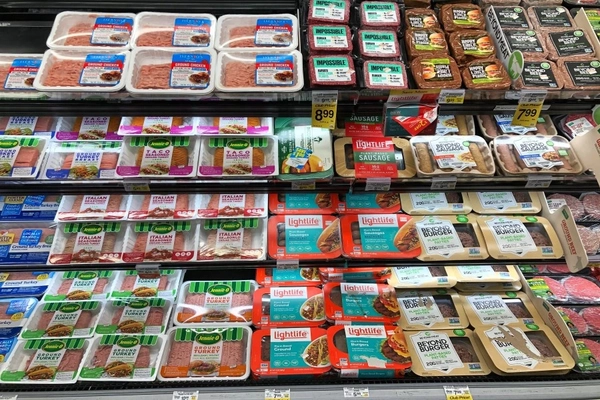
Yesterday saw an EU trilogue discussion about whether plant-based foods can use meat-related names on alternative F&B products — and the result is a mixed bag of bans and restrictions on certain terminology, which will have an impact on farmers, brands, and companies operating in the plant-based space.
The talks in Brussels involved the European Parliament, Council of the European Union (member states), and European Commission, and came three months after European trilogue negotiations on restricting meat-related terminology for plant-based products collapsed without agreement in December 2025.
But following yesterday’s talks, negotiators reached an agreement that will ban the use of 31 words in total, including animal-associated names, such as “chicken,” “beef,” or “pork,” and cut terms like “breast,” “thigh,” or “drumstick.”

Other descriptive terms like “burger,” “sausage,” and “nuggets” will still be allowed, but not “steak,” which was added to the ban list, together with “liver” during the negotiations.
What’s in a name for plant-based food?
Being able to still use these kinds of well-known descriptors is a lifeline for alt-protein industries, as so many animal-free products are already on the market. Terms like “veggie burger” have become part of the food lexicon.
Format-based names (such as “burger,” “sausage,” and “nuggets”) remain largely permitted, while the restrictions focus mainly on animal-species names and meat-cut terminology.
Producers will have three years to clear existing stock and adapt to the new rules, as there will be a lengthy transition period before the new rules come into force.
Veggie burger saved
Another contentious issue in the negotiations was the inclusion of novel foods, such as those produced through cellular agriculture. Although these products are not yet available on the EU market, the co-legislators agreed to extend the ban preemptively.
Plant-based proponents are not entirely happy with the latest outcome, which bans the 31 words, but they take consolation in the fact that the most common and familiar descriptive terms have been protected.
Rafael Pinto, senior policy manager at European Vegetarian Union, speaks to Food Ingredients First about the practical impacts the wording restrictions will have on how plant-based food products are marketed and labeled across Europe.
“Burger and sausage were saved due to widespread historical use for non-meat products in some member states. The size of the plant-based burger and sausage market, relative to other products, was also a deciding factor,” he says.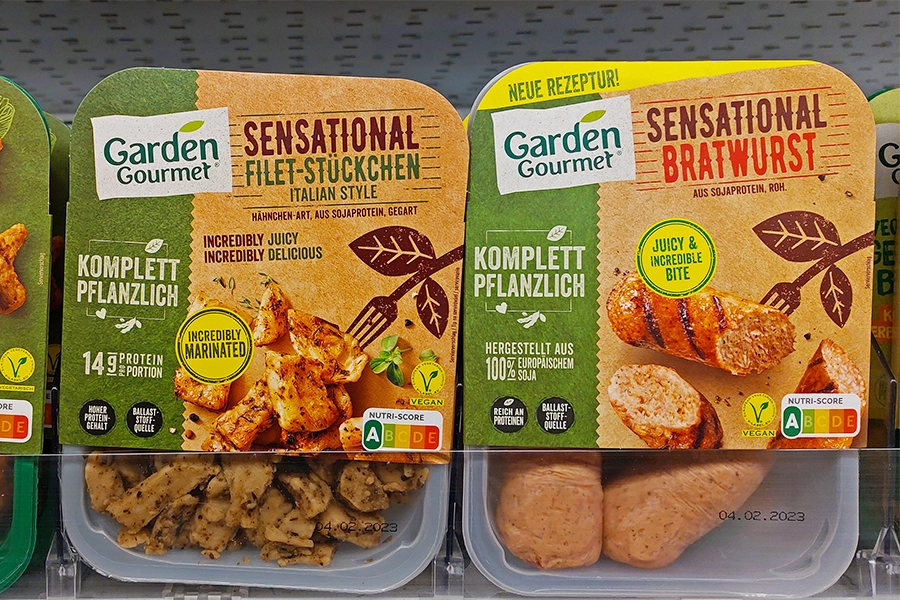 Although 31 descriptors will be banned for plant-based alternatives, already established terms like "veggie burger" can still be used.
“The ban goes beyond labeling and includes marketing. This means that plant-based products will no longer be able to reference any of the 31 words banned, even in advertisements to showcase the use and flavors of the foods.”
“It is, however, unclear how the rules will apply to misspelled terms, used by many companies and imagery. We expect there might be several legal cases, depending on interpretation, translation, and enforcement by each member state authority.”
Pinto points out that the ban extends across the whole food chain. It is unclear how much it will be enforced toward restaurant menus and foodservices, since the main target behind the origin of the regulation was manufacturers and retailers, but there are no exceptions foreseen.
Business disruption
Industry groups have been warning of the potential market losses and regulatory barriers for some time, as this issue has been debated for many years.
It is difficult to pinpoint the specific economic consequences, but significant business disruption is expected.
The decision is expected to trigger widespread rebranding and packaging changes, increase operational and compliance costs, disproportionately impact SMEs, and create uncertainty across EU languages and markets.
“Data from a German industry organization calculated the impacts of a word ban at €250 million (US$289 million) for the German market alone, including rebranding, repackaging, and lost consumer uptake due to the absence of familiar names. We have no data for the EU as a whole, but a Systemiq report estimates that the total cost of regulatory hurdles on the sector, including naming restrictions, can lead up to €56 billion (US$64 billion) EU-wide,” Pinto tells us.
However, he highlights that the plant-based dairy category, with labeling restrictions imposed for decades, was still able to grow and become mainstream.
“So although the impacts are substantial, the EU is still the number one market for plant-based foods, and we expect it to continue to grow,” he says.
Implementation uncertainties remain
ProVeg International welcomes the move away from a broad ban with more draconian recommendations, but maintains that new restrictions remain unnecessary.
The organization also stresses that any new rules must remain proportionate and legally coherent. It also warns that, even with political agreement, some key questions remain unanswered and several implementation challenges remain unresolved. These include issues like ensuring consistent interpretation across all EU languages and avoiding regulatory fragmentation across member states.
Hybrid products (food that combines animal and plant-based proteins) are also caught up in this dispute, having become increasingly popular in some markets, such as Denmark and the Netherlands. They will now need to be renamed. Plant-based proponents forecast progress in the sector despite the ban, with innovation in hybrid products tipped for growth.
By extending restrictions to prospective novel foods, such as cultivated meat, the proposal effectively places limitations on products before they are even authorized, notes the organization.
“Agreement is only the first step. The real impact will depend on how these rules are implemented in practice,” says Jasmijn de Boo, Global CEO of ProVeg International.
“This debate is about more than names. Labeling should empower consumers and support a competitive, future-fit food system. Rather than introducing restrictions, policymakers should focus on encouraging plant-based innovation, boosting the EU economy, supporting farmers, improving public health, and advancing climate goals.”
How confused are consumers?
While many farmers and meat producers say that meat terms should only apply to products made from animals to avoid misleading marketing, plant-based proponents have different ideas, claiming consumers are not confused by meat terminology appearing on plant-based products — something which is backed by research.
“There is no evidence of widespread consumer confusion where products are clearly labeled as plant-based or vegan. Removing familiar terms does not improve transparency — it reduces clarity and increases friction at the point of purchase,” says Boo.
ProVeg urges policymakers to focus on substantive food system reform (farmer incomes, food security, market resistance, and climate adaptation), rather than symbolic naming debates.
According to a study conducted by the European Consumer Organisation, most consumers do not appear to be concerned about the naming of veggie “burgers” or “sausages,” as long as the products are clearly identifiable as vegetarian or vegan. According to the data, approximately 80% of consumers believe the plant-based industry should be allowed to use traditional denominations.
The full list of restricted terms are: Beef, veal, pork, poultry, chicken, turkey, duck, goose, lamb, mutton, ovine, goat, drumstick, tenderloin, sirloin, flank, loin, ribs, shoulder, shank, chop, wing, breast, thigh, brisket, ribeye, T-bone, rump, bacon, steak, and liver.
Next steps
The technical details of the compromise are expected to be finalized next week, and then this regulation will proceed to formal adoption by the Agriculture and Fisheries Council, followed by a final vote in the European Parliament plenary.
But businesses should already be assessing how these rules could affect product naming, labeling, and marketing strategies.
“A strong legal analysis of the final text, once it’s available next week, will provide more clarity on how to move forward. The official translation for all EU languages will also happen at a later date, which could influence decisions. But businesses should start discussing how to adapt their products,” says Pinto.