


EU Parliament backs organic reform to safeguard ingredient supply chains
Key takeaways
- The European Parliament has endorsed revised EU organic rules that would extend equivalence recognition for 11 non-EU countries until December 2036.
- IFOAM Organics Europe welcomes the agreement but urges policymakers to safeguard mandatory support for organic farming under the next CAP.
- The revised rules tighten organic import labeling requirements and ease certification requirements for smaller operators.

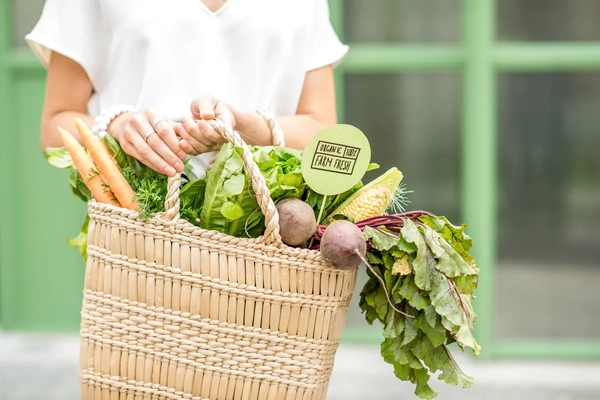
The European Parliament has endorsed revisions to the EU Organic Regulation, which governs the production, certification, labeling, and trade of organic products across the bloc. The update brings European F&B businesses closer to long-term regulatory certainty, particularly regarding organic ingredient imports.
However, industry representatives are calling for effective implementation measures and continued financial support for organic farming.
Members of the European Parliament (MEPs) approved the agreement today with 486 votes in favor, 39 against, and 140 abstentions. The endorsement follows a provisional agreement reached between the European Parliament and the Council of the EU in October.
The revised framework would extend the recognition of equivalent organic production standards in 11 non-EU countries until December 2036. It aims to avoid potential supply chain disruptions when existing arrangements expire at the end of this year.
IFOAM Organics Europe, an umbrella organization for organic food and farming, welcomes the parliamentary endorsement but stresses that further legislative work is needed to ensure the revised framework operates effectively.
“Farmers and processors need to know how the rules will work in practice. We expect the European Commission to deliver on its Roadmap for secondary legislation and to work closely with the organic sector on the issues that remain open,” says Eduardo Cuoco, director of IFOAM Organics Europe.
Safeguarding organic ingredient supply
As previously reported by Food Ingredients First, the revised regulation allows products imported under recognized equivalence arrangements to continue being marketed as organic. However, imported products carrying the EU organic logo must meet additional production and monitoring requirements, including criteria relating to living soil, animal welfare, and processing methods.
The distinction could have significant implications for F&B manufacturers sourcing organic ingredients globally, particularly those combining EU and non-EU raw materials in finished products.
IFOAM Organics Europe says it welcomes the removal of a proposed exemption that would have allowed EU-processed products to carry the EU organic logo if imported organic ingredients not meeting the additional requirements accounted for less than 5% of their agricultural ingredients.
Maintaining agricultural investment
Beyond regulatory certainty for organic trade, IFOAM Organics Europe is urging policymakers to safeguard financial support for organic farmers under the next Common Agricultural Policy (CAP).
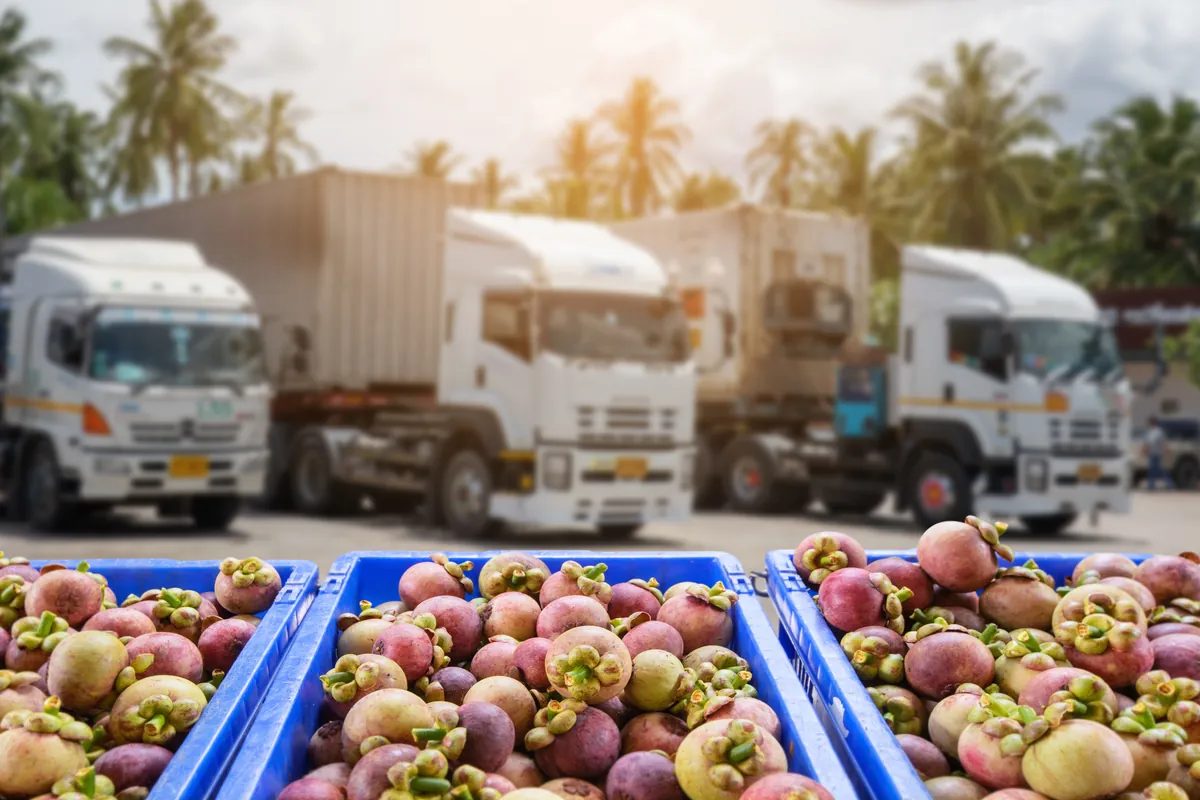 Imported foods would face additional production and monitoring requirements to carry the EU organic logo.The organization wants Parliament to defend Article 10 of the European Commission’s proposed post-2027 CAP framework, which would require all EU member states to support conversion to organic farming and the maintenance of existing organic operations.
In October, IFOAM Organics Europe criticized the Council’s negotiating position, warning that making organic farming support optional could create greater uncertainty and disparities between member states.
“This undermines the predictability and stability for farmers across the EU who have invested in organic or were considering converting their farms. Without a clear direction at EU level, there is a risk of a race to the bottom among member states, putting the future development of the organic sector at risk, ” Dóra Drexler, president of IFOAM Organics Europe, said at the time.
For Cuoco, the next EU Organic Action Plan must help strengthen organic in Europe and support farmers and organic entrepreneurs to further develop their farms and businesses.
“Organic farmers who have invested in building an organic business and those who wish to convert their farms deserve a long-term commitment and predictability from Europe.”
The endorsement comes amid wider regulatory changes affecting European organic farming. IFOAM Organics Europe previously raised concerns over seed exchange restrictions and crop patents and their potential impact on agricultural biodiversity.
Moving toward implementation
The revised regulation also adjusts certification requirements for small sellers of unpackaged organic products and groups of operators, alongside targeted changes to production rules, according to IFOAM Organics Europe.
It also emphasizes that “fundamental organic principles, including grazing requirements for ruminants, have been maintained.”
Under the revised rules, the annual turnover threshold for certification exemptions for eligible small sellers of unpackaged organic products will double from €20,000 (US$21,926) to €40,000 (US$43,852), calculated as an annual average over the previous five years. The annual sales volume threshold will increase from 5,000 kg to 10,000 kg. The exemption will also be extended to certain small online retailers of prepackaged organic products.
Last month, the Fair Trade Advocacy Office welcomed the extension of equivalence arrangements. It pointed toward the importance of regulatory predictability for international producers.
“The Fair Trade Movement calls on the Council and the European Parliament to endorse the agreement and complete formal adoption before the end of 2026. It also calls on the European Commission to ensure that delegated and implementing acts keep certification accessible and proportionate for smallholder producer groups, in the EU and in third countries,” the organization said at the time.
Following parliament’s endorsement, attention now turns to formal adoption and the secondary legislation needed to implement the revised framework.
The EU aims to complete adoption before the end of 2026, when existing equivalence recognition arrangements expire.