
EU moves to cut fertilizer costs while reducing reliance on Russian supply

Key takeaways
- The EU has approved a one-year suspension of customs duties on key nitrogen fertilizer imports to help lower costs for farmers and improve supply flexibility.
- The policy is also intended to diversify fertilizer sourcing away from Russia and Belarus while limiting disruption to domestic producers through quota controls.
- The measure covers inputs such as urea and ammonia and is expected to save importers around €60 million (US$69.5 million) in duties, according to the European Commission.
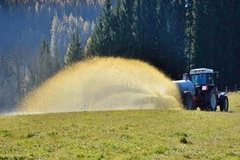
The EU will suspend customs duties on key nitrogen-based fertilizer imports for one year in an effort to ease pressure on farmers, diversify supply chains, and reduce dependence on Russian and Belarusian products. The measure, approved by the Council of the EU on Friday, covers fertilizer inputs including urea and ammonia and is expected to save importers around €60 million (US$69.5 million) in duties, according to the European Commission.
The decision reflects continuing concerns over the cost of fertilizer across the EU agricultural sector, where nitrogen input costs remain elevated after the energy and supply shocks that have followed Russia’s invasion of Ukraine and the continuing geopolitical impacts of the conflict.

Grappling with elevated fertilizer costs
The latest move from Brussels shows how the EU is trying to reshape nitrogen sourcing away from Russia — which has historically been one of the world’s largest exporters of ammonia, urea, potash, nitrogen fertilizers, and natural gas used in fertilizer production — along with neighboring Belarus.
Reliable access to fertilizers remains critical for Europe’s agricultural sector, with farmers dependent on steady imports and affordable pricing to maintain crop production and safeguard food supplies.
But fertilizer costs have climbed sharply since 2021, adding to pressure across the farming industry.
The EU imported substantial volumes of fertilizer inputs in 2024, including approximately 2 million tons of ammonia and 5.9 million tons of urea used in nitrogen fertilizer production. The bloc also brought in 6.7 million tons of nitrogen fertilizers and nitrogen-based mixtures.
According to the council’s latest announcement, the suspension will apply only to products not already imported into the EU duty-free from countries that have preferential access under most favored nation (MFN) tariffs. “However, to balance the interests of EU producers, the measure is limited to a quota of goods equal to the volume of MFN imports in 2024 plus 20% of the volumes imported from Russia and Belarus in the same year,” it says.
Shifting sourcing
While complete EU-wide figures for 2025 are not yet available, the market has remained under pressure due to elevated gas prices, supply chain disruptions, and the ongoing restructuring of fertilizer trade away from Russia and Belarus.
Makis Keravnos, Minister of Finance of the Republic of Cyprus, says: “This decision gives European farmers better access to affordable, reliable fertilizer supplies – good news for the agriculture sector and EU consumers alike. At the same time, we are accelerating away from Russian and Belarusian products and building more resilient supply chains and partnerships globally.”
The tariff suspension could also reshape trade flows over the coming year, potentially increasing shipments from alternative suppliers in regions including North Africa, the Middle East, and the US, as importers seek to take advantage of lower duties.
EU farming groups have repeatedly called for lower fertilizer costs, arguing that high input prices continue to strain farm margins and reduce competitiveness.
The measure will take effect the day after it is published in the EU’s Official Journal and will apply for one year. The commission will monitor the fertilizer market and may propose extending or adjusting the measure if needed.
The temporary tariff suspension comes as the FAO warns that prolonged disruption in the Strait of Hormuz (which has been effectively closed since February 28) is evolving from a shipping issue into a systemic global agri-food crisis, with potential food price shocks expected within 6–12 months.



Upcoming webinars

2027 Food Safety Risks for Quality & Compliance Leaders
FoodChain ID

Formulating for function: Developing benefit-led beverages with natural colours, botanicals, and flavours
Givaudan Sense Colour
Let's reveal the grain potential: Innovate
Meurens Natural