

EIT Food study: F&B companies face tougher scrutiny as consumers question food claims


Key takeaways
- European consumers are increasingly confident in making good food choices, but trust in food information and industry actors remain a key concern.
- Sustainability literacy trails health knowledge, leading to increased scrutiny of vague or unsubstantiated environmental claims.
- EIT Food urges companies to use clear, verifiable messaging and trusted sources rather than adding more complex information.

European consumers are becoming more confident in their ability to make good food choices, but remain unsure about “who and what to believe.” According to EIT Food research, those who feel able to make good food choices rose from 60% to 66% between 2024 and 2025.
However, the report points to a knowledge gap around health and sustainability, with 72% of consumers feeling sufficiently informed about healthy diets, compared with just 52% for sustainable diets.
For F&B companies, the disconnect raises the bar for communicating product benefits, as consumers increasingly expect claims to be clear, credible, and verifiable.
The latest study, “Who do consumers believe?” is the fourth and final installment of EIT Food Consumer Observatory’s 2026 Trust Report Series, which splits the research into four themes — diets and barriers to change, trust in food-system actors, acceptance of food innovation, and food literacy and information sources.

It surveyed 19,954 consumers aged 18 and over across 18 countries, including Belgium, Czechia, Denmark, Finland, France, Germany, Greece, Ireland, Italy, the Netherlands, Poland, Turkey, Israel, Portugal, Romania, Spain, Switzerland, and the UK. The sample was nationally representative by age and gender, with fieldwork conducted in July and August 2025.
Confidence rises as trust lags
The report says that consumers who feel they can make good food choices rose from 60% to 66% between 2024 and 2025, with 62% believing they can determine how healthy a food is.
Despite remaining skeptical of food information itself, consumers are becoming more confident in their own ability to judge what is reliable. From 2024 to 2025, the overall score has grown from 43% to 49%, the report highlights.
Durk Bosma, head of Thought Leadership and one of the researchers from the EIT Food Consumer Observatory, tells Food Ingredients First that consumers are likely to become “even more skeptical about claims than they were before.”
“It also means that for claims to be effective and convincing, they need to be clear and verifiable.”
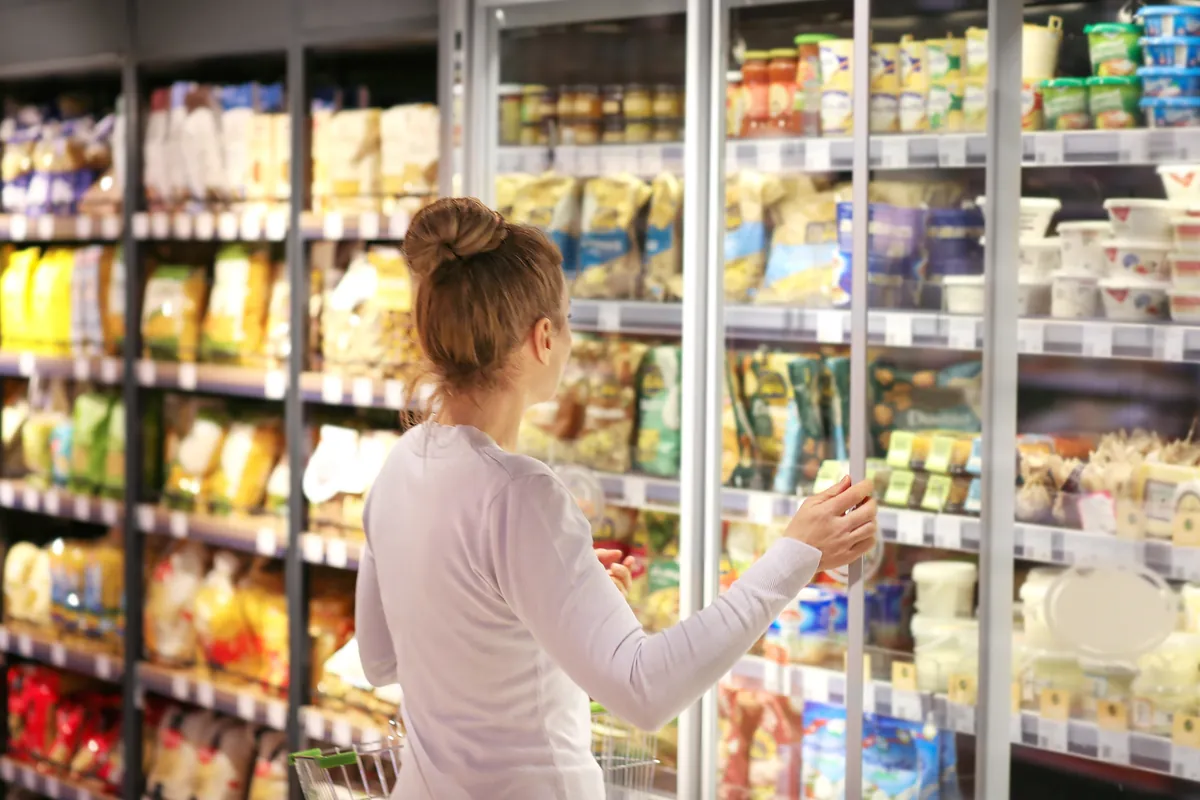 Fewer than half of the European consumers surveyed say they can determine how sustainable a food is.
Vague claims face more scrutiny
The report points to a considerable uncertainty around interpreting sustainability information. Fewer consumers (47%) say they can determine how sustainable a certain food is.
It also highlights a link with the (self-reported) sustainability of diets among consumers. “The less knowledgeable, the less sustainable the diet,” reads the report. Age is also a factor, as less than half of 55+ consumers rate their knowledge on the sustainability of food as sufficient.
Bosma explains that claims that can be verified by consumers themselves will be trusted more.
“A claim like ‘plant-based’ can easily be checked. Something as vague as ‘sustainable’ can not be checked.”
He points to stricter EU rules as another factor behind pushing manufacturers toward more specific and substantiated messaging. The EU’s Empowering Consumers for the Green Transition Directive targets generic environmental claims, such as “sustainable” and “climate neutral,” when companies cannot demonstrate their basis.
Previous Food Ingredients First coverage highlighted how the legislation is encouraging companies to replace broad green claims with more verifiable information.
“The new European legislation will help in this aspect, effectively banning vague and unsubstantiated claims,” says Bosma.
Credibility weakens across the food chain
The report reveals that trust in manufacturers as a reliable source of information on health and sustainability fell from 41% to 39%. For farmers, it reduced from 49% to 46%. Meanwhile, fewer than one-third of the surveyed consumers trust retailers, authorities, restaurants, and caterers as reliable information sources.
It further describes online influencers as “the least reliable source of information on food.” More than one-third of respondents rated these sources as “not at all” reliable.
Medical professionals and scientists remain a credible source of food information, but that trust is declining. The share of consumers trusting doctors fell from 61% to 58%, while trust in scientists and academics declined from 59% to 55%.
For food companies, rebuilding credibility will require time and consistency, according to Bosma.
“Back up claims, work with trusted sources only, and don’t follow fads that are known to be short-term. And this is not something a single food company can achieve by itself. It needs to be a collective effort of food companies, retailers, authorities, science, and consumer organizations.”
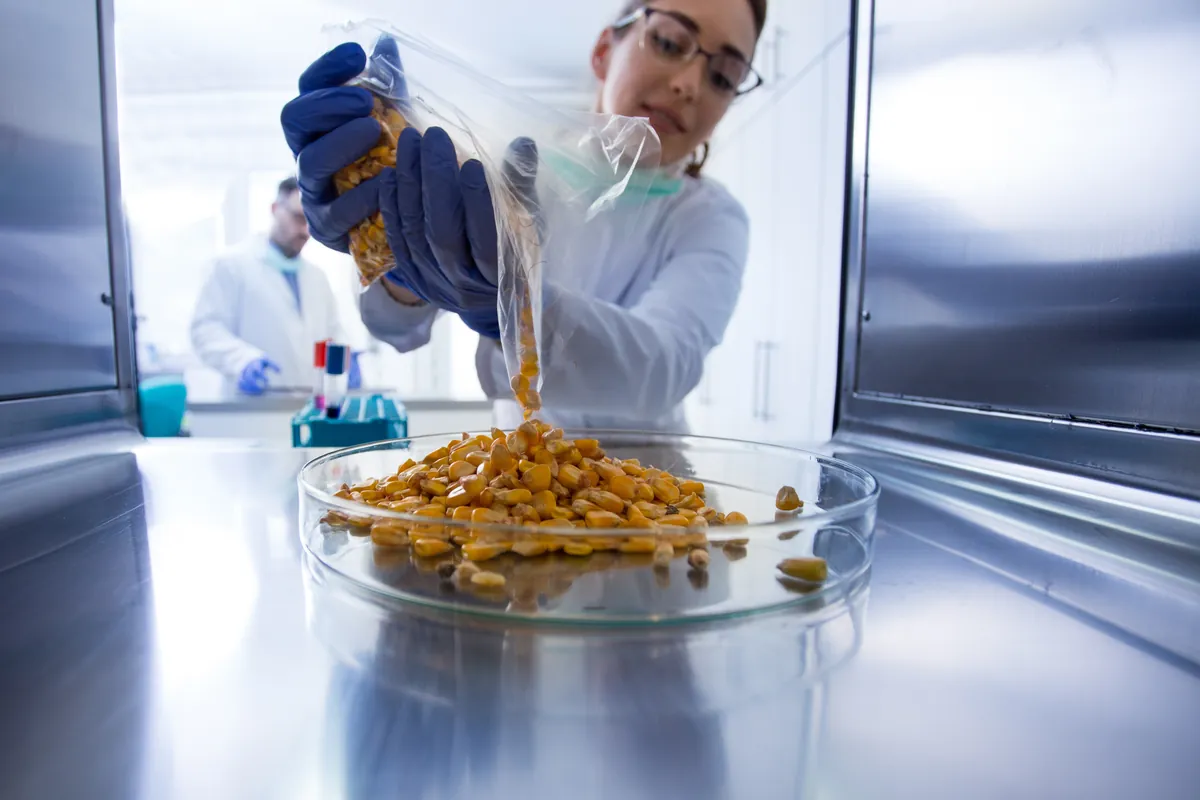 Doctors and scientists remain among the most trusted sources of food information, despite declining confidence.
Less information, more clarity
The findings suggest that more information is not necessarily better. Adding more layers of disclosure does not necessarily increase trust if consumers do not have confidence in the people and institutions providing it.
“People are skeptical of health and sustainability claims because they believe that profit often outweighs consumer interests,” notes the report. Consumers want information to be clear, understandable, and easily accessible, and overly complex transparency tools can actually reduce trust, it warns.
Methods such as scanning QR codes or visiting websites for additional information might seem like a barrier rather than useful transparency for some consumers.
Logos and short videos are most effective for delivering credible and engaging transparency information, the report reads.
For Bosma, “less information, but simplified,” can help food companies change the way they communicate health, sustainability, and innovation to consumers.
“A generally accepted health and sustainability score could help. Retail can help by showcasing ‘better’ food,” he concludes.


Upcoming webinars
Oat-Standing Ingredients - Showcasing Irish Grain Through Innovation
Tirlán Ingredients

2027 Food Safety Risks for Quality & Compliance Leaders
FoodChain ID

Formulating for function: Developing benefit-led beverages with natural colours, botanicals, and flavours
Givaudan Sense Colour