



FaBA MakerSpace: The innovation hub that could power Australia’s food start-up ecosystem

Key takeaways
- The University of Queensland has launched FaBA MakerSpace to accelerate NPD and support F&B industry collaboration in Australia.
- The facility offers advanced R&D resources for start-ups, including prototyping, food-grade processing, and packaging technologies.
- FaBA MakerSpace aims to reduce the cost and risk of early-stage food innovation and commercialization for F&B businesses.
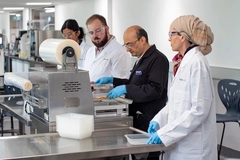 (Image credit: The University of Queensland).
The University of Queensland in Australia has unveiled Food and Beverage Accelerator (FaBA) MakerSpace to speed up product development and boost industry collaboration. For Australian start-ups, FaBA MakerSpace can be a bridge between concept and commercialization, enabling faster formulation iterations, while strengthening the country’s food innovation ecosystem.
The initiative is a part of Australia’s AUD 370 million (US$264 million) Trailblazer Universities Program. It aims to reduce the cost and uncertainty associated with early-stage innovation, according to the university.
Australia’s F&B start-up scene is expanding, with food tech innovators, such as v2food (plant protein company), Magic Valley (cultivated meat producer), and Cauldron (novel foods from precision fermentation) gaining traction in the market.

FaBA training center lead professor, Nidhi Bansal, tells Food Ingredients First that the innovation hub, with support from the FaBA Kickstarter scheme, aims to allow for “low-cost, high-speed prototyping for SMEs and start-ups.”
“The scheme partners businesses with university experts while also lowering the cost of engagement with a voucher system,” she says.
Australian food innovation
FaBA MakerSpace can help businesses test ideas, refine formulations, and explore new technologies, and use beverage and liquid processing, powder development, filtration, and separation facilities to support NPD.
Advanced sterilization, packaging, and drying technologies, such as spray and freeze drying, will also be available at the center.
Bansal emphasizes that the R&D center offers raw material technologies like solvent-free microwave extraction, processing technologies, such as Ultra High Temperature processing, and packaging technologies like Modified Atmosphere Packaging.
“While all of these technologies may not be new to the commercial market, they are difficult for small businesses to engage with and commit to without validating their impact on product quality, manufacturing costs, or manufacturing times,” she says.
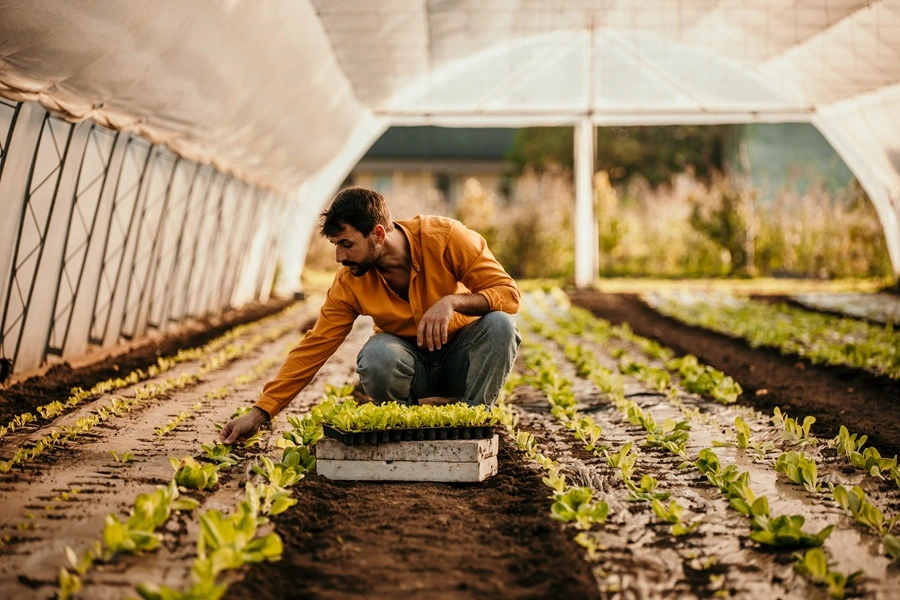 FaBA is part of Australia’s Trailblazer Universities Program, which aims to strengthen the country’s food innovation ecosystem.
Early-stage food innovators
A challenge for small businesses, Bansal says, is not being able to carry the cost of full-time product development personnel. Collaborations, such as those with FaBA MakerSpace, “allow industry partners to access a wide variety of highly experienced personnel for short industry-defined engagements that only utilize the necessary resources and time to be complete,” she adds.
Lisa-Claire Ronquest-Ross, chief science officer at Australian alt-protein start-up turned scale-up, v2food, agrees that the “cost and risk of early-stage manufacturing” remain significant barriers for small businesses. Another hurdle is the “gap between lab prototype and full-scale production,” she tells Food Ingredients First.
“Many companies lack access to pilot plants, food-grade processing infrastructure, and the practical expertise needed to scale products reliably. This is particularly evident in emerging categories like alternative proteins, where most often, it is start-ups that are developing and innovating in this category.”
Welcoming FaBA MakerSpace’s launch, she says such hubs help address these issues by bringing together shared infrastructure, technical expertise, and training in one place.
Meanwhile, Bansal says that FaBA MakerSpace offers “competitive voucher schemes” to small start-ups for reduced cost of development.
“For larger start-ups, we offer a connection to a broader infrastructure and technical capability across the FaBA ecosystem, allowing them to access leading experts for a range of their development requirements.”
Concept-to-commercialization gap
Facilities, such as FaBA MakerSpace, are key to “bridging the gap between concept and commercial product,” says Ronquest-Ross.
“In categories like plant-based protein, success depends not just on ingredients, but on how those ingredients perform under real manufacturing conditions. Access to pilot-scale equipment — such as meat processing and separation technologies — allows us to develop prototypes and test texture, taste, and scalability in a way that isn’t possible at bench scale.”
V2food views FaBA Makerspace as an “extension of its R&D team and lab,” as it allows the development of prototypes to rapidly test concepts and generate sensory and analytical data to make decisions on product design and formulation. It also reduces the need for early capital investment in specialized equipment.
“Combined with access to technical expertise across food and nutrition science, this significantly shortens development timelines and reduces both technical and financial risk when bringing new and improved products to market,” says Ronquest-Ross.
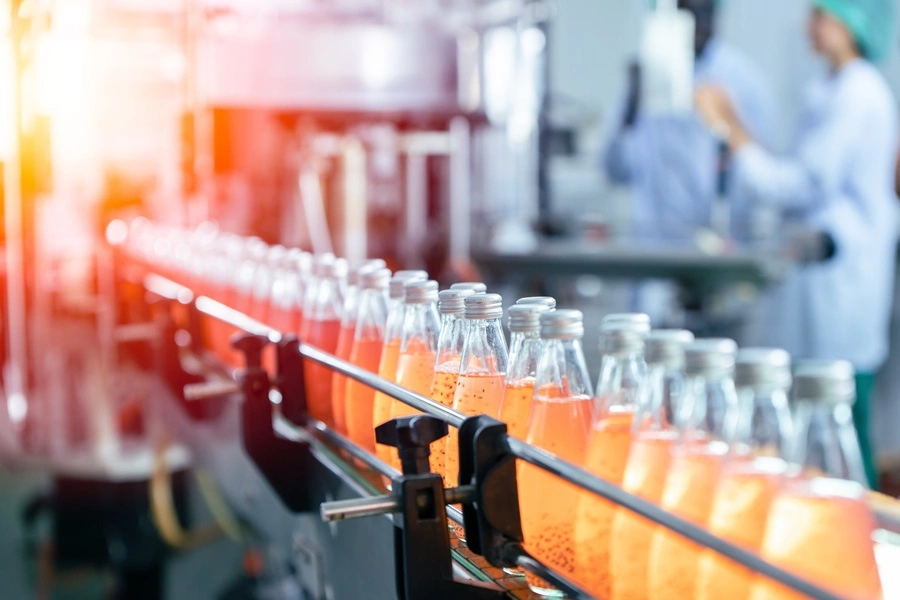 The hub supports start-ups and scale-ups, providing access to infrastructure that bridges the gap between prototypes and commercial production.
Advancing F&B innovation
Beyond FaBA MakerSpace’s industry engagement and prototyping capability, the center also acts as a teaching space for Food Science and Technology students at The University of Queensland. The aim is to expose students to “all facets of the F&B sector at a time when they are deciding their career aspirations,” Bansal notes.
The university plans to continue its engagement with industry, researchers, and students through the center, aiming to provide a “launch pad for emerging F&B businesses.”
“We continue to identify opportunities for MakerSpace. For example, as a part of our engagement with UQ Ventures (a student and alumni entrepreneurship group), we are offering access to MakerSpace for them to work on their F&B products under the guidance of technical experts,” she says.
F&B opportunities in Australia include more affordable formats that maintain flavor and freshness in bread, dairy, and breakfast cereals, according to Innova Market Insights.