African flavors: How ADM localizes R&D to strengthen regional F&B innovation

Key takeaways
- ADM’s Johannesburg facility embeds innovation inside African markets, dramatically shortening development cycles and improving regional product fit.
- Indigenous ingredients like marula and baobab are moving from niche regional flavors toward globally scalable commercial systems.
- South Africa’s position between African and European food cultures creates a uniquely dynamic space for flavor innovation.
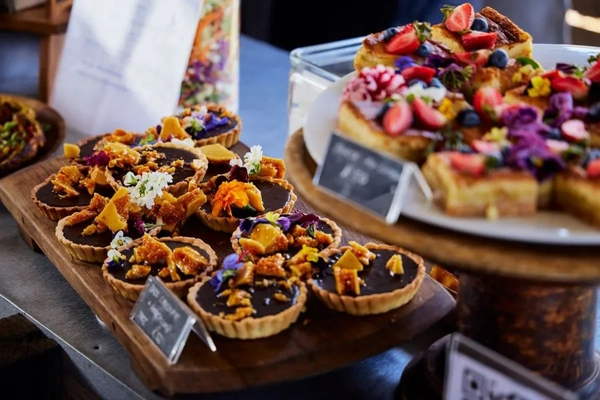
Taste preferences across Africa are highly diverse, but for years, the industry has developed flavors for African F&B markets from a distance, which meant missing the subtleties. ADM’s newest flavor creation facility in Johannesburg, South Africa, looks to overcome that gap by embedding innovation inside the markets it serves.
The new facility covers customers across Southern, Sub-Saharan, West, and East African countries, from Kenya to Nigeria to Tanzania and beyond.
At the same time, the company reveals that African flavors are trending and moving far outside the continent. Flavors long treated as regional and niche, such as the fermented complexity of marula, the bold tang of tamarind, or the bright sweetness of naartjie, is drawing serious attention from F&B developers outside of Africa.

ADM’s full flavor creation facility is staffed by a team that it says can build these distinct flavor profiles quickly and serve customers across the globe. Leading that work is Amos Mphephu, ADM’s principal flavorist in Johannesburg, who has spent his career doing the hard work of turning locally familiar tastes into globally scalable systems.
Food Ingredients First sits down with Mphephu to discuss how, with the facility, the company can now build a flavor profile from scratch, iterate in real time, and put it in front of a customer the same week — something that was not possible when that work had to route through a lab on another continent.
What strategic gaps does this South African facility fill, and how does having distributed regional labs change ADM’s innovation flow?
Mphephu: ADM’s new flavor creation facility in Johannesburg fills several strategic needs, including embedding innovation closer to the market. It enables real-time flavor creation, adjustment, and testing within South Africa, dramatically shortening development cycles and allowing ADM to respond faster to regional customer demands. In categories like beverages (especially energy drinks, colas, and soft drinks) where speed-to-market and rapid iteration are essential, this proximity becomes a clear competitive advantage.
Equally important, the facility addresses the gap in locally informed innovation. Taste preferences across Africa are highly diverse and nuanced, and developing flavors remotely often misses those subtleties. Our team can now directly engage with customers, understand regional palates, and translate those insights into more relevant, tailored solutions. Amos Mphephu, ADM’s principal flavorist in Johannesburg.
This strengthens customer relationships and improves product-market fit across South Africa and the broader continent. Specifically, we can support our local customer needs by building a flavor profile from scratch or by adapting an existing profile with a unique twist for a new market.
From a network perspective, regional labs like Johannesburg certainly reshape our innovation flow — decentralizing it and making it more collaborative. The Johannesburg lab operates with greater autonomy, allowing our local team to lead development for regional needs while also contributing insights back into ADM’s global system. This new lab primarily serves markets across Southern, Sub-Saharan, West, and East Africa, including key countries like Kenya, Nigeria, Ghana, and Tanzania.
As our South African hub grows, it increases ADM’s ability to be present in-market, build relationships, and co-create with customers. We can share this knowledge with our colleagues in different regions around the world, providing insight into African tastes for exploratory product innovation in Europe or North America, for example.
Beyond marula, what other indigenous South African ingredients are you exploring, and how do you translate locally familiar flavors into scalable systems for international markets?
Mphephu: Beyond marula (Sclerocarya birrea), we’re exploring indigenous ingredients like baobab (Adansonia digitata), which offers distinct, culturally rooted flavor profiles. Our work bridges global expertise and local taste. We start by decoding their sensory and molecular signatures, then build stable flavor systems for diverse applications.
Marula, for example, is fruity, slightly fermented, and difficult to replicate authentically, yet highly compelling. For global markets, we balance authenticity with adaptability, fine-tuning profiles to resonate across regions while preserving their origin. The goal is to honor local heritage while enabling consistent, scalable innovation worldwide.
How has the flavorist role evolved beyond traditional bench formulation, especially when you're serving both local customers and ADM’s global innovation pipeline?
Mphephu: The flavorist role has evolved far beyond traditional bench formulation into a more integrated, strategic function. My experience working with major global F&B companies and taking a business development course reinforced the importance of consistency, scalability, and delivering against clear consumer expectations — skills that remain essential when contributing to ADM’s global innovation pipeline and differentiating ourselves in a crowded space.
At the same time, working in South Africa adds a new dimension. Here, the role is not just about refining established profiles, but actively shaping tomorrow’s market. There’s a greater opportunity to explore, define emerging taste trends, and build solutions that reflect local preferences from the ground up.
This dual responsibility means today’s flavorist must operate across both local and global contexts. In our Johannesburg lab, we combine ADM’s global expertise with local creativity, enabling faster, culturally relevant innovation for customers in the region, while also feeding distinctive ideas into the global pipeline.
How do you balance authenticity with commercial viability when creating “hybrid traditional/modern” flavor experiences?
Mphephu: Balancing authenticity with commercial viability starts with consumer insight and chemistry. A recent ADM survey finds 83% of South African consumers often or sometimes enjoy combinations of traditional flavors with innovative ingredients to explore new taste experiences.
We capture the core sensory identity of a traditional or nostalgic flavor that may remind consumers of their childhood, and then layer in modern notes or pair with emerging flavors to enhance and broaden appeal. It’s critical to understand both chemistry and scalability to ensure that authenticity shines in the end product.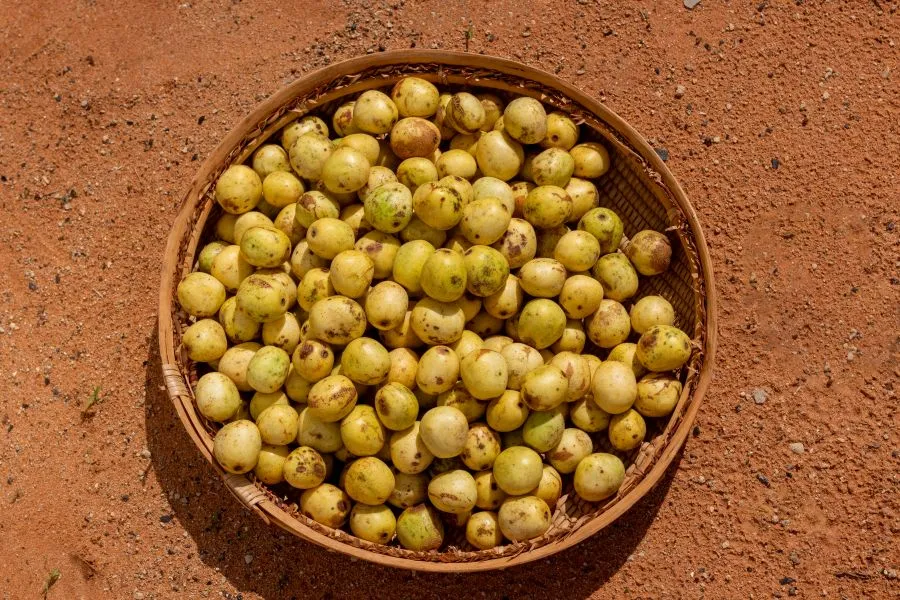 Marula is one of the flavors quickly gaining traction in global markets.
What are the most significant flavor trends driving the South African market right now?
Mphephu: South Africa’s flavor landscape is being shaped by a strong pull between heritage and exploration. This is driven by consumers seeking both nostalgia and novelty, reflected in the demand for flavors that embody the local fruits of their childhood while offering something new.
Think tamarind, a tropical fruit with a rich sweet-sour tang; ginger, a warming, slightly spicy root that adds zing and depth; and naartjie (tangerine), a juicy, sweet citrus with a bright, refreshing flavor.
From a broader F&B perspective, South Africa is seeing increased interest in premiumization, functional ingredients, and beverage innovation. There’s also a growing emphasis on storytelling — consumers want to know the origin of flavors and connect with their cultural significance.
Consumers worldwide are also interested in discovering different taste experiences. African flavors, when translated effectively, can move from niche to mainstream by offering both novelty and a sense of provenance.
How is South Africa’s position between African and European food cultures showing up in flavor preferences and innovation opportunities?
Mphephu: South Africa’s unique position between African and European food cultures creates a dynamic space for innovation. This intersection shows up clearly in flavor preferences, where bold, fruit-forward, and sometimes fermented or complex traditional notes meet more European formats. It creates an opportunity to develop flavors that are globally accessible but distinctly rooted in local identity.
At ADM, we’re able to respond to these shifting demands by working cross-functionally, from flavorists to formulation experts to marketers, ensuring we reach local consumers, while scaling insights across the EMEA region.