


ADM expands Heidelberg flavor lab to support EMEA beverage development
Key takeaways
- ADM has more than tripled its Heidelberg flavor creation space.
- The expanded lab combines flavor, sensory, and emulsion development.
- The investment supports beverage and dairy product development across EMEA.

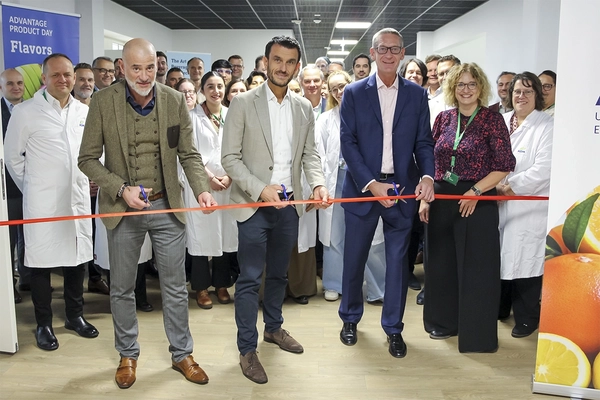
ADM has expanded its flavor creation laboratory in Heidelberg, Germany, adding nearly 500 square meters and more than tripling its previous flavor creation space to support food and beverage development across Europe, the Middle East, and Africa.
The facility brings together flavor creation, sensory science, and emulsion development. Customers can work with technical teams in its analytical sensory room.
“By bringing these capabilities closer together, we can work more effectively with our customers,” says Alexander Lichter, vice president of flavors for EMEA at ADM.
The lab supports beverage and dairy applications, including yogurt and ice cream. ADM says collaboration will accelerate commercialization.
Citrus development
The Heidelberg site also builds on ADM’s citrus expertise, pairing proprietary flavor ingredients with technical and sensory evaluation.
Citrus was a focus of the company’s 2027 flavor and color outlook, which Food Ingredients First explored with ADM at Fi Europe 2026 in Frankfurt, Germany, last week.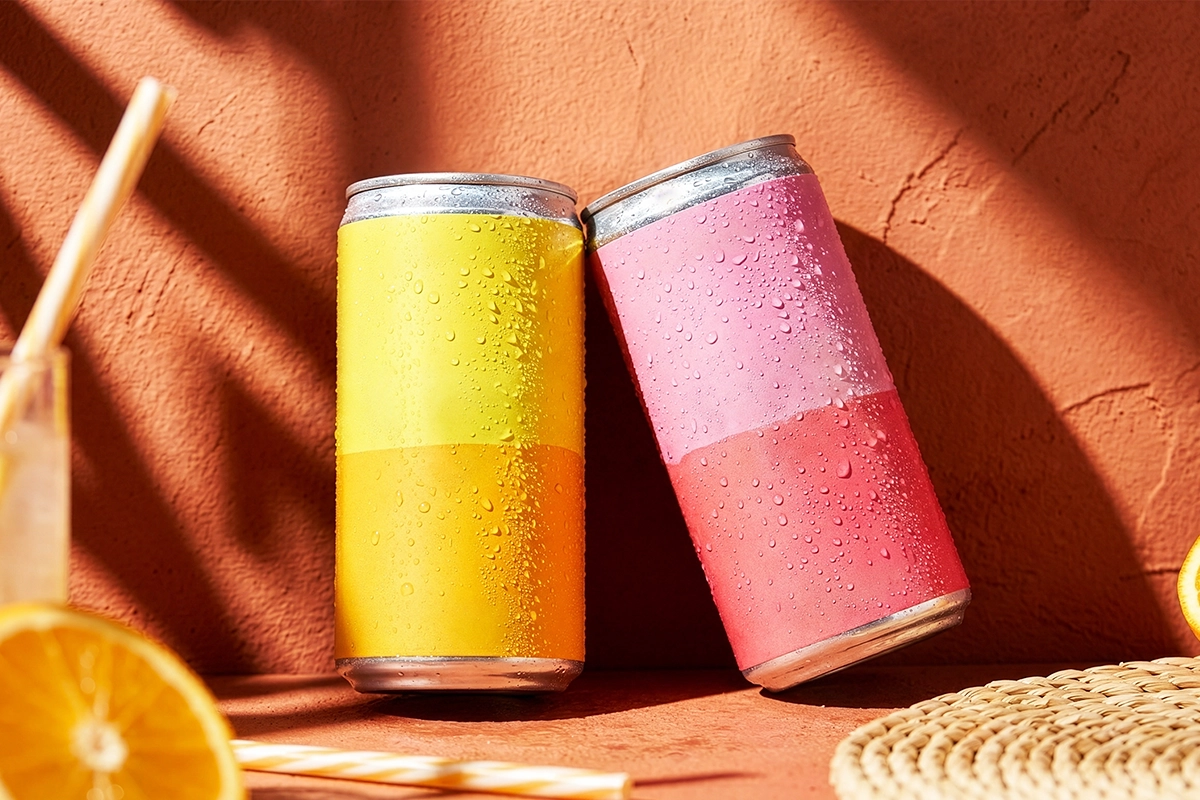 Lime-forward blends are gaining attention in citrus beverage development.
Coralie Garcia, senior flavor product marketing manager for EMEA at ADM, described a shift in familiar lemon-lime combinations, with manufacturers giving lime a more prominent role.
“Lime is becoming the hero in the formulation of the product,” she told us.
The outlook also highlighted opportunities for creamy coconut, dulce de leche, and maple cake, reflecting demand for familiar flavors with a fresh twist. Garcia emphasized the need for application R&D support when manufacturers change ingredients while trying to preserve a product’s taste and consistency.
Making reformulation work
That balance is also central to sugar reduction. In our September report, ADM’s Sarah Diedrich, senior product marketing director for global sweetening and texturizing solutions, explained that reformulation requires manufacturers to manage sweetness, texture, and functionality together.
Removing sugar can change a product’s bulk, moisture retention, freezing behavior, and mouthfeel. Matching sweetness intensity alone may leave a drink or dairy product with a different sensory profile.
Diedrich distinguished between reformulating established products and developing new ones. Existing brands generally need to preserve the experience consumers recognize, while line extensions offer more room to adjust sweetness and flavor.
Garcia’s Fi Europe 2026 comments pointed to a similar challenge for functional products. She said consumers wanted health-oriented F&B to be enjoyable, with engaging flavors, colors, and textures.