
IFT First 2025: Angel Yeast discusses yeast-based protein, fermentation tech and regulation
30 Jul 2025 | Angel Yeast
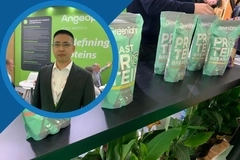
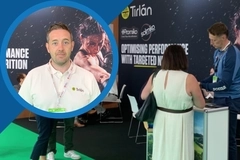
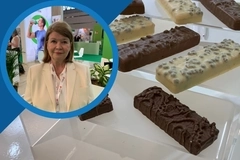
We spoke with Steven Sheng, sales director North America for Angel Yeast, about the company’s new yeast-based protein products. We also discussed regulatory changes in the market and how consumer demand is shifting in the US and elsewhere.
OK, we're live at IFT first.
I'm joined by Stephen Shang from Angel Yeast.
Hi there.
Hi.
Hi Lewis.
Could you start by telling us what new yeast-based or fermentation derived ingredients you're showcasing at this year's event?
OK, so, as you may know, you know, Angel Yeast, we are yeast manufacturers.
So we launched the yeast protein, recently.
So in this showcase, we are mainly promote Easter protein which is a new results of protein.
Yeah, so, it is a yeaster base, you know, different from the other, protein cells.
So that is what we do here, for this show.
Brilliant.
And then, how is angel yeast innovating to support plant-based and clean labeled ingredients?
OK, so, Easter, as a, One of the ingredients, it is widely used in the food industry.
So actually, in the very beginning we developed the yeast protein for vegan meat industry, but gradually we found, you know, it is a high quality proteins.
So, compared with, plant-based protein like the soy, pea, yeast protein is more neutral in taste and food amino acids, you know, the from the functional part it is, has its benefits.
Are you seeing any evolving regulatory changes in fermentation-based ingredient approvals?
Some, yeah, I see some regulations.
For example, people right now are talking about self grass, so it seems like self grass.
You know, some companies do accept this, but some companies don't.
So we need you know to do more research on the regulation change.
How are you approaching sustainability in your production?
So for yeast industry it is economy recycle.
We produce yeast with molasses.
It is a waste byproduct in our country and we use this as a raw material to ferment yeast, and it is a recycled business, to be honest, a lot of Water is created during the process.
We treat the waste water back to the organic fertilizers and back to the ground to feed the plants.
So that is our recycle business.
We're in the US at the moment.
What would you say are the big differences between business in the United States, Ranger East, and elsewhere in the world?
OK, it's a good question.
So, for US market, I would say it is the, most advanced market, you know, people, like to, accept new ideas, new ingredients, but everything.
Must be under the regulation.
So people like it, but it takes more time to prepare the regulations, the testing, you know, anything must be very clear and then people can move forward to the next step.
So it's a more challenging but more opportunistic environment.
Yes, I, I, yeah, I would like to say so, yes, it's more opportunities, you know, people like to, see, you know, new ideas, you know, new things, new ingredients in.
Existing applications and also new innovations.
Alright, Stephen Chang, thank you.