

Banner with cereal bars and Biospringer logo with a learn more button in the right bottom corner
Home
Videos
dsm-firmenich: Targe...

dsm-firmenich: Targeting cost effective innovations for creamy and buttery notes in plant-based milk

17 Dec 2024 | dsm-firmenich

Amid rising consumer demands, dsm-firmenich has unveiled two innovations to achieve dairy-like taste and texture in plant-based milk. Utkarsh Shah, VP of Sweet Goods and JoAnn Fritsche, business development director of Sweet Goods North America, talk us through how consumer expectations from plant-based milk have shifted toward “creamy and buttery” notes similar to dairy. They also discuss how the firm’s Dynarome DA technology and Smart Milk innovations tackle off-notes in plant proteins while ensuring cost effectiveness.
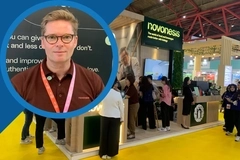
Hi, this is Inha Noreen, a journalist at Food Ingredients First.

DSM Pirminage is targeting dairy-like taste and texture in plant-based milk, with two recent launches, the Smart Milk Range and Dinaro DA.

To tell us more about these innovations.

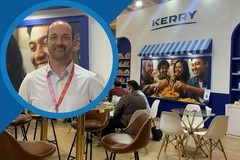
We are joined by two guests from the company Utkash Shah, VP Sweet Goods North America, and Joanne Fritz, who is the Business Development Director Sweet Goods North America at DSM Permanent Taste, Texture and Health.

Welcome Utkash and John.

Thank you.

Thank you.

Glad to be here, Rha.

Same here.

Good to have you both.

So my first question is, what attitude shifts have you observed in consumers demanding dairy-like experience in plant-based drinks?

So, in, that's an interesting question, because we are seeing a significant shift in consumer behaviors and attitudes.

And one of our consumer insights study that we have done, we found that 70% of consumers, plant-based milk consumers, they prefer to have the taste of milk and dairy in the plant-based milk solution.

And in order to identify what are those right taste attributes, which are drivers of liking study, and we found that creamy, buttery, rich notes are preferred by consumers.

So this is a significant shift in what consumers are asking for.

And if you think about the consumer landscape in the milk, consumption, that basically 3 big buckets, right?

30% are are health conscious, plant-based, focused, consumers, 30% are persuadable, which means they, they, they are hybrid, they like to have both, and 30% are heavy.

Dairy consumers.

Plant-based milk as an industry have done a great job in, in really, having the adoptions from the plant forward and health-focused consumers.

But really, in order to get into this heavy daily like consumers, which is like 60% of the total consumer pays, we need technologies and solutions to, to, to really nail that mass adoption.

And this is where this technology comes in, and, and, and with this evolving consumer needs and demands, we are at the right time for this launch of this technology.

As these consumers are really looking for more health benefits from their products and moving away from dairy, they still like it to taste like dairy.

So that is really where we were trying to focus especially with this technology.

OK, good to know that.

And talking about the smart milk range and the diner room technology, could you tell us more about how they work?

Yes, actually, the diner room, DA, which stands for Dairy Alternatives, is really a proprietary tool, and technology that we have developed here at DSM Firmanage and, and, combination with our flavors, our creative team, and the global team.

And our applications team, we were able to put forth some technology that really bridges the gap between plant-based and dairy.

So we really moved the needle on these.

And actually focuses on two areas for the dining room.

It's , masking as as mouthfeel.

So that's really how it, works for the plant-based, area.

So the masking really tends to, neutralize any off notes that are coming from these, pea proteins or, , soy proteins.

And then having that neutralized.

Then we can add the smart milk flavors to actually add the milk and the creamy type notes.

The dining room also adds mouthfeel.

So that is part of the proprietary technology that really helps advance, these, these, plant-based products to make them more like dairy.

Of course, would you like to add anything else?

Yeah, and, we, we bring 100 years of expertise in sensory science.

And we understand how consumers perceive foods and beverages.

So when we did this drivers of lacking study, we identified what attributes are really needed by consumers, right?

So, so, these two technologies, diner room and smart milk, so diner room removes the negative attributes associated with plant-based milk.

And once they are removed, now you can add the positive attributes, which are added by smart milk technologies.

So, one technology is removing the negative attributes, one is adding the positive attributes.

So when you do in combination, you create a delicious, smooth milk experience in every set of plant-based milk.

OK, that's great to know.

And why do you think it's now the right time to introduce these innovation looking at the consumer demands and how they perceive the dairy notes in plant-based milk?

Yeah, and, that this is a great question.

Especially, the reason why this is the right time, because if you look at what's really happening in the dairy industry, dairy as a category is down 2% versus last 52 weeks.

And this is an interesting statistic here, right?

But when you start looking into, This data deeper, you identify that plant-based milk is down 6%, as compared to dairy milk, which is down like 1.5 to 1%, right?

Like, we, we, we just, these are discouraging numbers at the first look of it.

But when you start diving even deeper, you identify that two hidden jewels, in this category.

First is coconut milk, which is growing at 10%.

And second is ultrafiltered lactose-free milk, which is also growing at around 10%.

That's right.

So, what does this tell us?

Coconut milk, as we know, is creamy, , plant-based milk, and lactose-free milk ultrafiltered is also creamy and does not have a package of lactose.

So this indicates that consumers are really looking for creamy, rich, delicious notes in that.

Plant-based milk, very important statistic.

And this was further substantiated by the study that we did and now that I referred to before, where we found out that 70% of consumers who consume plant-based milk, they would prefer the dairy, creamy, rich, buttery notes in the plant-based milk.

So in order for us to get a mass adoption in the plant-based milk industry, we need to take a step change, to really make this, this industry thrive even further.

That's really interesting.

And coming to the cost concerns, which are very important in the industry, what impact do you think these new innovations can have on the cost effectiveness of plant-based milk?

As we, as our creative team has designed these, products, they really are in line, with other, flavors, and we really designed the technology.

Technology to take into consideration the cost targets, especially in this area, because obviously, plant-based products generally tend to run a little bit more than say their dairy or, you know, meat counterparts, right?

So we really, were instrumental in looking at this and making sure that we were aligned.

With the market cost and use targets.

So they are, they're, they're easy to use, and they can be used in production.

So they're pretty seamless, both of these two technologies.

We genuinely believe in order for this category to scale further, we need to make it affordable for mass consumers.

So that's the first layer that we add before developing any new solutions for the market.

Secondly, we also acknowledge and appreciate the P&L owners' concern or brand owners' concerns about increasing raw material costs.

So these solutions are cost effective, which meets the needs of the consumer.

So this is really the crux of our technology.

It is cost effective.

You do not require any manufacturing change.

It really seamlessly integrates into your current manufacturing operations, and making it a very cost-effective solution.

Mhm And, and just to build on that, you know, we do have over 25 years in plant-based experience here at DSM Firmative.

So we've been able to identify the right technologies and components to actually deliver the right and design the right cost into our solution, so.

And, and also being that we are now DSM firmage, we have a whole toolkit, that we can actually work with our customers from the start of the concept all the way through to launch.

So not only do we have flavors, maskers, where these two technologies.

Come into play, but we have enzymes and cultures.

We have hydrocoides, colors, stabilizers, and of course, like I mentioned, our maskers and characterizing flavors.

So we can really help the customer and our consumer, our, our customer and they can support their consumer all the way from concept all the way through launch.

So we can help mitigate the costs as necessary as.

OK, that's great.

Thank you for sharing that.

And talking about the future of this technology, and what are the upcoming projects you're working on or anything about the future plans you would like to share with us?

I think we're always looking to raise the bar and, you know, obviously, the consumers are, especially in the plant-based space, are becoming more discerning, you know, the economy is a challenge, so, you know, they're very, It's important where they spend their money, so they want something obviously that is cost-effective to them as.

So we are always looking and raising the bar for our technologies and our creative team.

We have a global network, so we, we leverage our teams across the world to help, to design products for the future, but we are continuing and always looking for continuous improvement.

Yeah, and, and, and we, we will continue to invest in this plant-based revolution that's happening.

But the mission of it is very simple, to make plant-based, products taste, better and authentic, right?

So that is really central to our mission.

And with the addition of this portfolio that you are referring to, right, we have probiotics, cultures, if you want to.

Focus on gut health, plant-based yogurts.

We have colors, hydrochloid.

We had a fantastic merger one year ago where two powerhouses and ingredient and flavor merged together to, to become DSM ferment.

And with these two powerhouses, we can unlock so much synergies, from all the way from gut health.

To omega 3 to the probiotics that I mentioned.

So it's really is the synergistic portfolio, and we are positioned to capture the growing needs of the plant-based consumers.

So very happy to see the investment, not just in science and research, but also in consumer insights, sensory and other areas as.

And yeah, we're very happy, with the work that has been done so far by our science and research teams.

Our teams and innovation.

This is incredible technology, and it's positioned to meet the market needs, and we can really drive the mass adoption of plant-based milk in the future, because that is exactly what's needed at this juncture in the industry.

Yeah, and just to build on that a little bit, it's, you know, for the plant-based, I think, part of the gap, you know, it, it's, it taste is the most important, right?

But it's taste, texture, mouthfeel, and then, of course, as Carson mentioned, health.

Really, those are the really three aspects.

We're more, more and more companies are.

Getting for their plant-based milks or getting compared to dairy milk and the nutritional value.

And with our whole portfolio of, including pre-mixes, we also have vitamins and minerals.

We can actually fortify the products to bring them back to where they, are, are equal to, plant-based, to a dairy milk.

More videos

Image