



Rethinking vanilla: From familiar flavor to versatile formulation tool
Key takeaways
- Vanilla gives manufacturers a familiar base for new flavor pairings.
- Different vanilla profiles can soften bitterness, mask off-notes, or bring out cocoa intensity.
- Low grower prices and climate pressures could tighten future bean supply.

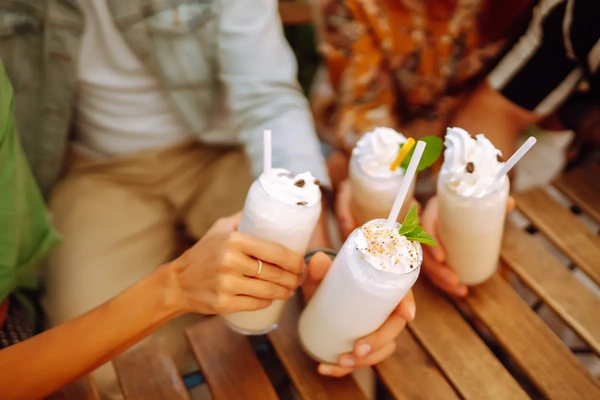
Vanilla’s familiar flavor gives food and beverage manufacturers room to innovate. In a creamer, it can make a pairing with ginger or chili feel more approachable. In coffee or plant-based products, it can soften bitterness or mask off-notes. We speak to experts at Symrise and PROVA about how the choice of a vanilla profile can determine whether it leads the flavor or lets another ingredient stand out.
Laurent Deniau, global competence director for Vanilla, Banana & Baby Food at Symrise, tells Food Ingredients First: “Vanilla connects familiarity with endless possibilities. Its comforting aroma gets often linked to childhood memories, while its versatility makes it a favorite both as a signature standalone flavor and alongside other ingredients.”
“From rich and creamy to subtle and aromatic, the ideal profile needs to be tailored to each application.”
Meanwhile, Prova says nostalgia can be particularly appealing in periods of economic uncertainty.
“Consumers increasingly look for novel twists on familiar bases, for example pairing classic vanilla with more adventurous notes, such as ginger, clove, or chili in creamers, to broaden appeal while remaining anchored in a familiar flavor,” the Prova spokesperson tells us.
Dessert-inspired drinks to high-protein products
Prova points to birthday cake-flavored milkshakes and crème brûlée-flavored milk as examples of European dairy brands borrowing from desserts. In sweet bakery, it sees room for pairings such as coconut and vanilla or matcha and vanilla.
The company also sees vanilla as a core flavor for ready-to-drink protein shakes, nutritional powders, and energy bars.
 Vanilla gives coffee creamers a familiar base for bolder flavors, such as ginger or chili.“It also works as an indulgence signal without relying on high sweetness, making it useful in reduced-sugar positioning,” the spokesperson says.
Symrise sees opportunities to use vanilla to balance the flavor of coffee and alcoholic beverages, as well as to distinguish one dairy or dessert product from another.
“In coffee, for example, vanilla can help round bitter notes and enhance creamy texture. In alcoholic beverages, it can harmonize woody, spicy, and sweet notes. In dairy and desserts, different profiles can take a product from comforting and familiar to more distinctive and indulgent,” says Deniau.
“Plant-based and better-for-you products offer further opportunities for innovation. Vanilla can mask off notes, while supporting a balanced taste experience.”
Differing tastes and markets
In chocolate, vanilla’s role depends on the recipe. Prova says it can round out bitterness and astringency, but in some formulations it can also make the cocoa taste more intense. That flexibility is part of vanilla’s expanding role in food formulation.
“There is no single vanilla profile. Vanilla’s aromatic characteristics can vary depending on its geographical origin, the extraction method used, and whether it is an extract or a flavoring (vanillin, anisic, woody, plum, etc.). This diversity gives manufacturers the opportunity to explore a wide range of sensory profiles and create a distinctive product signature simply by working with vanilla,” says the Prova spokesperson.
Some consumers are also looking for vanilla from specific origins, such as Madagascar, Tahiti, or Mexico, according to Prova. The spokesperson says preferences can vary by market.
“Selecting the right vanilla signature can help manufacturers tailor products to local tastes, increase consumer appeal, and build a recognizable brand identity,” shares the Prova spokesperson.
For manufacturers selling across borders, Deniau says the choice also depends on local regulatory requirements and how easily a formulation can be scaled across markets.
“Globally operating manufacturers need solutions that can work across different applications and markets. This makes application and regulatory expertise increasingly important,” he stresses.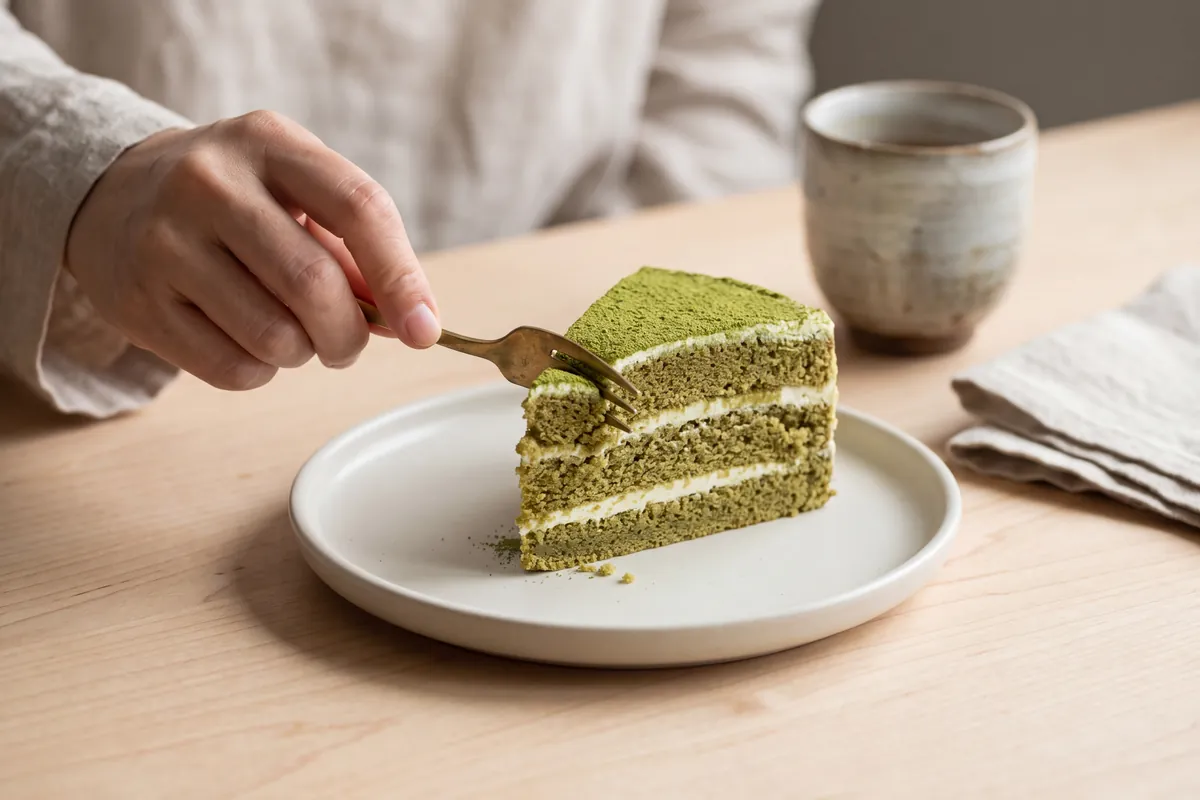 In sweet bakery products, vanilla can pair with matcha to balance the tea’s earthy flavor.
Deniau explains that Symrise helps customers develop solutions and support for efficient scale-up from local to global markets by providing regulatory guidance and technical support via local hubs.
“Alongside innovation, transparency, traceability, and resilient supply chains will continue to play an essential role. By connecting our expertise at origin with extraction, creation, application, and regulatory support, we help customers navigate these different needs and create vanilla experiences that deliver both consumer appeal and business value.”
Questions about future supply
While manufacturers explore new uses for vanilla, Prova says low bean prices have made the crop less attractive to growers.
“Low vanilla prices over the past three years have discouraged growers, who are gradually losing interest in vanilla cultivation in favor of other crops,” the Prova spokesperson says.
“Better remuneration for growers is needed to support the long-term sustainability of the sector and ensure that producers can earn a decent living from their work.”
Deniau points to labor-intensive cultivation, climate instability, and crop disease as challenges for growers.
“Manufacturers need to manage quality, cost, and increasingly demanding sourcing requirements. Our response starts at origin: long-term partnerships with 7,000 farmers on the ground in Madagascar all year round for a more resilient value chain.”
“Quality controls in Madagascar and Holzminden [Germany] help us identify and manage potential contaminants, while direct cooperation with farmers strengthens traceability and security of supply,” says Deniau.
Prova expects climate pressures, including the effects of El Niño, to weigh on vanilla vine production. “As a result, we cannot rule out a shortage of vanilla beans in the coming years,” the spokesperson says.