



Food science sector warns proposed US grant rules could weaken research independence


Key takeaways
- The OMB’s proposed grant overhaul could change how federal funding for food, agriculture, and nutrition research is awarded and managed.
- Industry groups, including the Institute of Food Technologists, warn it may increase political oversight and weaken independent peer review.
- With comments closing July 13, stakeholders are assessing potential impacts on future F&B innovation funding.

As the deadline for public comment approaches, a proposed overhaul of the rules governing federal financial assistance is drawing increasing attention from research institutions, universities, and industry organizations, with implications that could extend across the US F&B sector.
The Office of Management and Budget’s (OMB) proposed rule, published in the Federal Register on May 29, 2026, would make sweeping changes to the Uniform Guidance — the government-wide framework that governs how federal grants and other financial assistance are awarded and managed.
Deadline for feedback approaches
With the consultation period closing on July 13, 2026, and a final rule targeted for October 1, 2026, organizations that rely on federal funding are now assessing what the changes could mean for research, innovation, and public-private partnerships.

The 400-plus-page proposal applies across US federal agencies and could have particular relevance for food and beverage businesses that collaborate with universities, research institutes, and government-funded programs.
The proposal comes at a time when food innovation increasingly depends on partnerships between academia, government, and the private sector.
Supporters of the proposal argue that the plans will modernize grant management, improve consistency across agencies, and strengthen protections against fraud, waste, and abuse.
Changes to how grants are awarded
The proposed revisions include greater oversight of discretionary grant awards by senior political appointees, expanded authority for federal agencies to suspend or terminate grants under certain circumstances, and changes to how peer review informs funding decisions.
OMB says the revisions are intended to strengthen accountability, ensure responsible use of taxpayer funds, reduce unnecessary administrative burden, and ensure federal financial assistance aligns with current administration priorities.
The proposal would also update the financial and administrative rules for organizations that receive federal grants, including those funded by agencies such as the US Department of Agriculture, the National Institutes of Health, and the National Science Foundation.
Impact on food science and innovation
While many F&B companies do not receive these grants directly, they often participate in collaborative research projects or benefit from innovations developed through federally funded programs.
That has prompted concern among some stakeholders that changes to grant administration could influence the pace and direction of research relevant to the F&B sector.
Critics argue that the proposal could give political leaders more influence over funding decisions, potentially reducing the role of independent expert review. Others have raised concerns that broader authority to terminate awards could create uncertainty for long-term research projects that require multi-year investment and collaboration.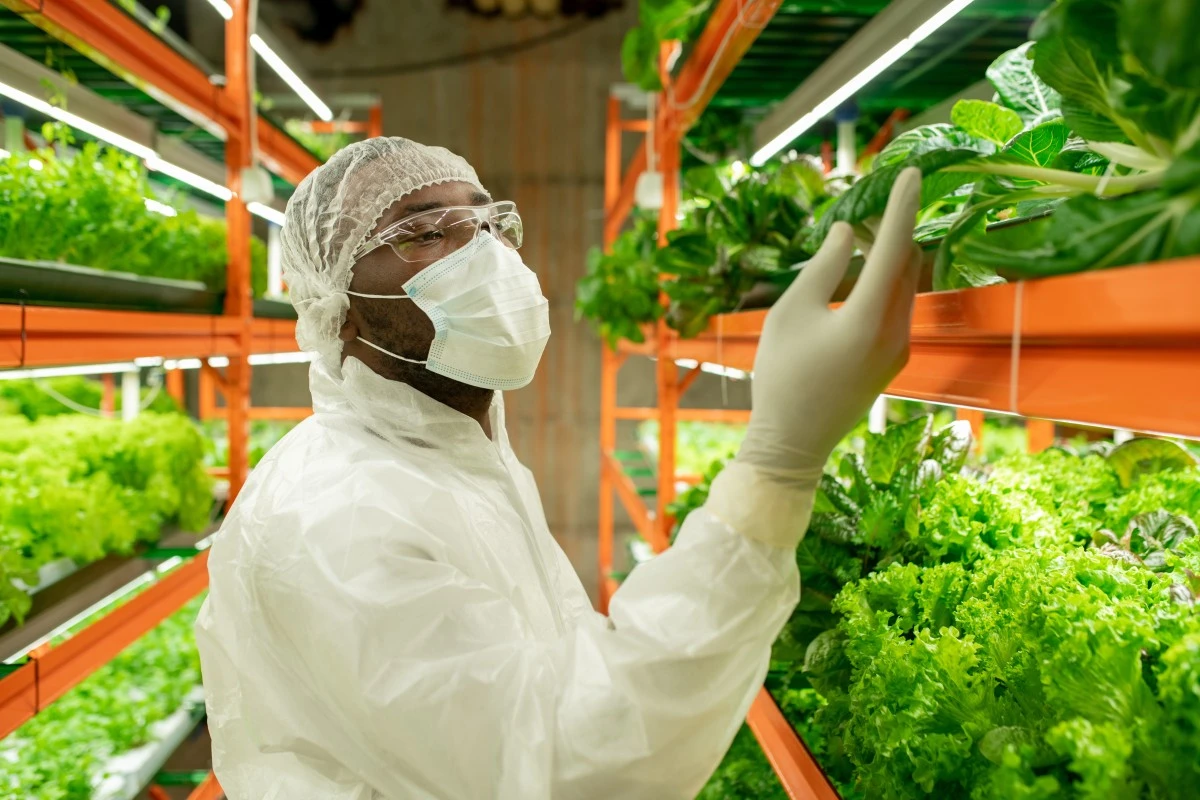 Many F&B companies benefit from federally funded research, raising concerns the changes could slow innovation.
More safeguards needed?
Institute of Food Technologists (IFT) chief science and technology officer Brendan Niemira believes that “science in the US faces a turning point,” as a result of these proposals.
“The Office of Management and Budget’s Proposed Rule on Federal Financial Assistance would significantly revise the Uniform Guidance governing federal grants, cooperative agreements, and other assistance for all federally funded science, including food science,” he says.
“Framed as an oversight and accountability update, it would also materially change how awards are reviewed, managed, monitored, and terminated. If implemented without safeguards, the rule would erode US leadership as other countries expand research investment, publication systems, and global science influence.”
IFT is particularly concerned that the proposal would shift research funding decisions away from scientific merit and toward political priorities, potentially undermining collaboration and weakening US research.
Niemira also highlights the potential impacts on scholarly publishing and research dissemination.
“If journal subscriptions, publication costs, open access fees, or other publishing-related expenses become more difficult or unallowable, researchers may face new publishing barriers, societies may lose revenue that sustains editorial quality and community services, and smaller organizations may be less able to participate in federal opportunities,” Niemira says.
He adds that global competitors are increasing investment in R&D, warning that constraints on US scholarly communication could weaken long-term scientific leadership.
“As China, allied nations, and strategic competitors expand R&D investment, domestic publishing capacity, high-quality research output, and science-policy infrastructure, constraints on US-based scholarly communication could reduce US convening power and global scientific leadership.”
A coalition led by the American Association for the Advancement of Science, Research!America, Association of American Universities. and Association of Public and Land-grant Universities, along with other scientific groups, has called on OMB to extend the comment period.
They said the proposal includes major changes to long-standing grant policies that require closer review, and argue that the 45-day consultation window — which is about to come to an end — is too short given its scope and potential impact.
Future outlook for F&B
The proposal is unlikely to have an immediate operational impact on the F&B industry. However, businesses with research partnerships, innovation programs, or supply chain projects supported by federal funding could eventually see changes in how grants are awarded, administered, and monitored, if new rules are adopted.
With the public consultation entering its final days, organizations across the sector are watching closely. The final version of the rules are expected later this year and could shape the funding environment for food and agricultural research for years to come.



Upcoming webinars

Oat-Standing Ingredients - Showcasing Irish Grain Through Innovation
Tirlán Ingredients

2027 Food Safety Risks for Quality & Compliance Leaders
FoodChain ID

Formulating for function: Developing benefit-led beverages with natural colours, botanicals, and flavours
Givaudan Sense Colour