


Preservatives in ultra-processed foods: New study raises cancer concerns

Key takeaways
- A new study highlights the link between food preservatives and cancer risk, urging stricter regulations and cleaner food alternatives.
- The researchers recommend re-evaluating food additive regulations to protect consumers.
- The findings could encourage manufacturers to reduce preservatives in their products.
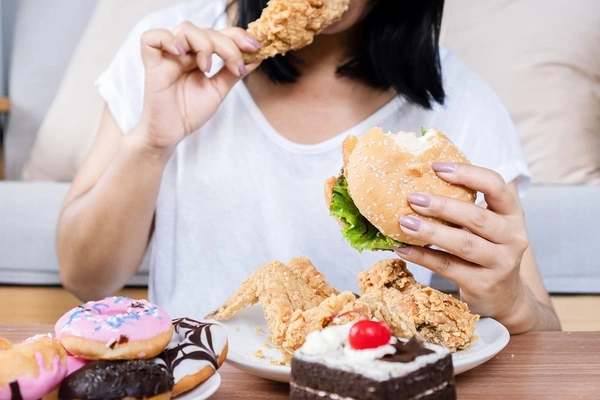
Amid heightened concerns over the health risks of ultra-processed foods (UPFs), a new study has linked higher consumption of certain food preservatives to an increased risk of cancer. While the study did not find that all preservatives carry the same risks, the authors are calling for a re-evaluation of existing regulations to improve consumer safety, particularly in the context of UPFs.
The study does not establish direct causality, but raises concerns regarding the widespread use of these additives in industrial F&B products, particularly UPFs. Recent studies have linked these foods to chronic disease across “nearly every organ system” in the human body.
In 2024, more than 20% of food items on the Open Food Facts World database contained at least one of these preservative additives, indicating how prevalent these ingredients are in today’s F&B production.

A team at Université Sorbonne Paris Nord, France, conducted research involving over 100,000 participants for more than seven years. A higher consumption of preservatives, including potassium sorbate, sulfites, and potassium nitrate, was associated with increased risks of overall cancer and breast cancer, while sodium nitrite was linked to prostate cancer.
However, of the 17 additives analyzed individually, 11 showed no association with cancer incidence.
The authors used data from a French NutriNet-Santé cohort since it integrates various health data, such as lifestyle and dietary information, along with cancer cases. This decision allowed the researchers to analyze the links between preservative consumption and cancer risks with a large sample size.
Consumer health concerns
The findings, published in The BMJ, suggest that more research is needed using health data and experimental studies to better understand how preservatives may lead to health problems.
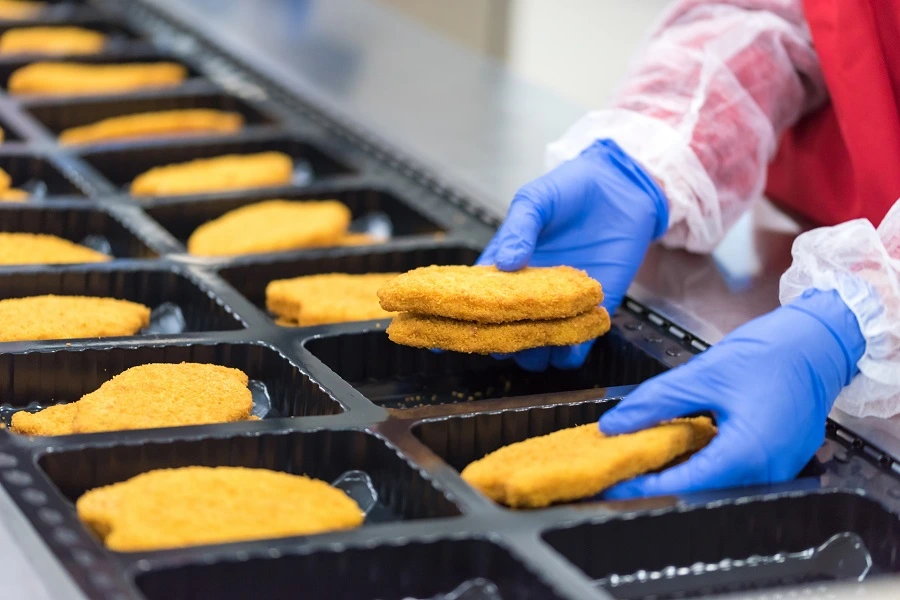 The study may urge manufacturers to explore healthier alternatives owing to the link between some preservatives and cancer.Nearly 65% of European consumers consider UPFs to be unhealthy and a possible cause for health issues later in life, according to research from the EIT Food Consumer Observatory.
The findings reveal that the “absolute risk” of cancer at age 60 was higher in people with greater intake of non‑antioxidant preservatives (13.3%) compared with lower or non‑consumers (12.1%). They also highlight a higher risk for breast cancer and prostate cancer in those with higher preservative intake.
The results come amid increasing concerns about the health impacts of regularly consuming foods with higher levels of preservatives. In Canada, studies show that preschoolers are at risk of obesity as UPFs eat up nearly half of their energy intake.
UPFs were also found to be one of the key drivers behind childhood chronic disease, according to a report published last year by the US Presidential Commission to Make America Healthy Again.
Regulatory and manufacturer implications
For manufacturers, the study’s findings may drive stricter scrutiny and potential reformulation of products to reduce the use of preservatives linked to cancer risk. They could also lead to stricter guidelines on the use of preservatives in food production.
“If confirmed, these new data call for the re-evaluation of regulations governing the food industry’s use of these additives to improve consumer protection. In the meantime, the findings support recommendations for consumers to favor freshly made, minimally-processed foods,” reads the study.
However, the demand for minimally-processed foods presents new challenges for manufacturers, explains Martha Wood, marketing lead at Ulrick & Short, namely removing or reducing less desirable ingredients without compromising product functionality or quality.
“The opportunity lies in reformulating with clean label ingredients, those processed by physical rather than chemical means, which deliver the required functionality while offering simpler, more recognizable declarations,” she told Food Ingredients First.
Meanwhile, food scientists want a redefinition of the Nova classification of UPFs, criticizing it for being “solely” based on food processing and formulation, failing to include nutritional value, and lacking scientific evidence.
The Institute for the Advancement of Food and Nutrition Sciences has published new guiding principles for classifying foods based on processing and formulation.