
US brands weigh higher costs with consumer expectations in the FD&C dye shift


Key takeaways
- Natural alternatives can cost up to 15 times more than synthetic colors, flags Vivify.
- The FDA petitioning process for new color additives does not offer market exclusivity.
- Natural colors are especially suited to emerging products like ube-inspired F&B without a visual reference.
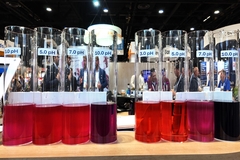 Oterra demonstrated variation in natural color stability across pH using anthocyanins (from black carrot) and betanins (from red beets) at IFT FIRST 2026 in Chicago.
 Synthetic colors face an uncertain future in the US, as a patchwork of state bans takes shape. And while brands are intensifying their reformulation efforts — inspired by the Make America Healthy Again movement — many are still waiting to take the leap.
Food Ingredients First sits down with a host of color suppliers working to address industry needs for naturals, while balancing cost, regulation, and limited performance compared to synthetics.
Amy VanHook, senior account manager at Vivify, a US supplier of both synthetic and natural colors, reports that interest in naturals has exploded. Still, many companies are reformulating “to be ready” rather than committing to change.
“Over the last two years, almost every project was focused on natural colors rather than synthetic. But, we see that the majority of our customers are not going to pull the trigger on a new formulation unless they absolutely have to.”
She adds that the International Association of Color Manufacturers (IACM) is fighting back against the proposed ban on FD&C dyes: Blue No. 1, Blue No. 2, Green No. 3, Red No. 40, Yellow No. 5, and Yellow No. 6.
“It’s gonna be an interesting couple of years to see what actually happens,” noting that one customer of extruded cereals went to a natural line and then switched back to synthetics after “bad feedback and bad sales.”
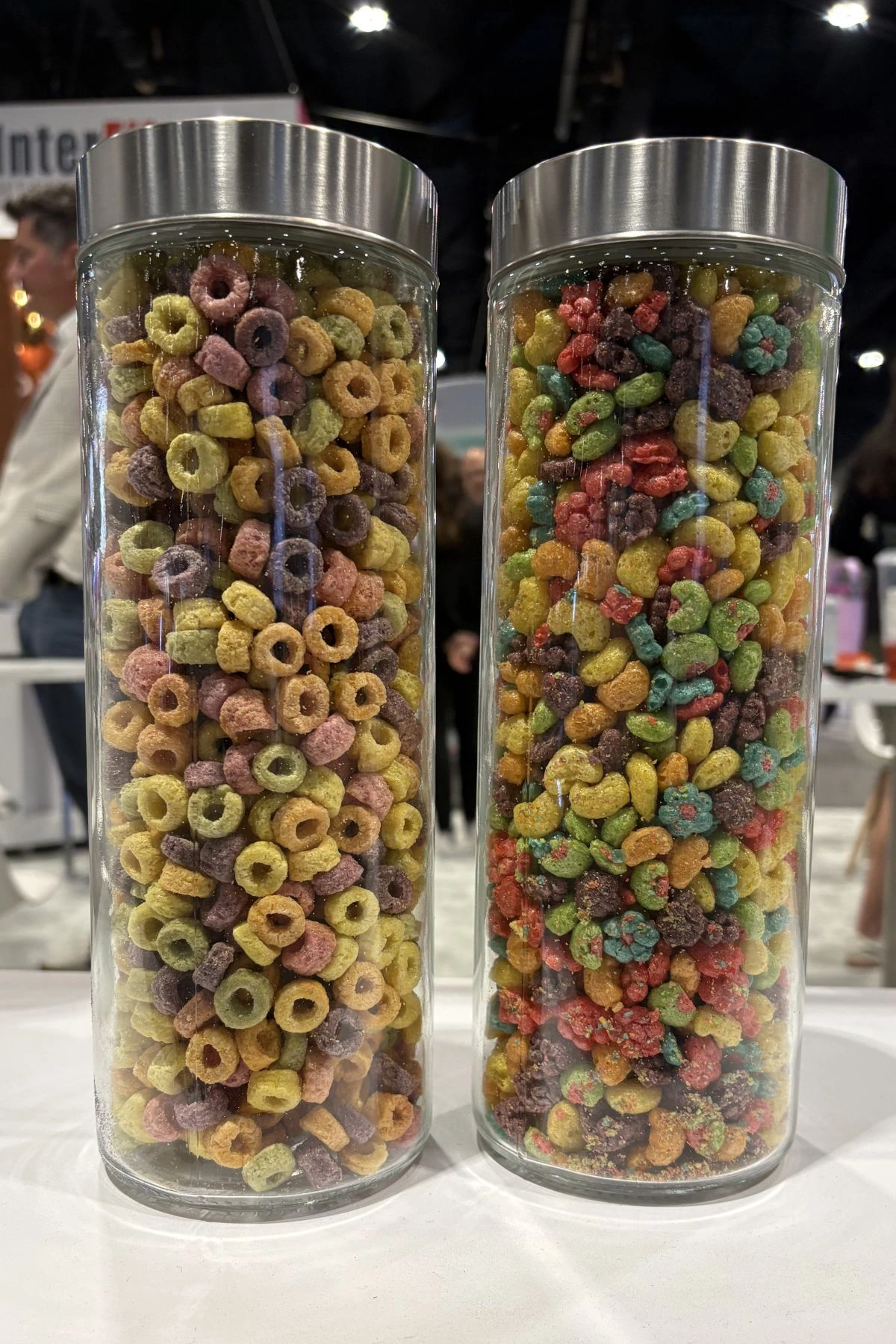 Extruded cereal made with natural colors (left) and synthetic colors (right). Cost is one of the biggest factors, she says. “Let’s say a Red 40 is US$10 a pound. A replacement for it from red beet, for example, could be as much as US$150.”
Innova Market Insights’ data suggests that launches of new F&B products formulated with artificial colors are still growing, albeit more slowly than launches featuring natural colors. Products containing FD&C dyes recorded a 7.4% CAGR between 2023 and 2025, while those containing alternatives to certified FD&C colors options grew more than twice as fast, registering a 19.7% CAGR over the same period in the US.
Barrier to innovation?
Another part of the problem may lie in the US FDA’s regulatory process for new natural colors, suggests Vincent Ricard, business manager for North America at the Switzerland-headquartered natural ingredient supplier Botanikind.
He explains that any new natural colors must be submitted to the FDA through a petition, a costly and time-consuming process that leaves the petitioner’s investment unprotected.
“It’s not like a patent. The day you have this approved, anybody can sell the same thing as long as it’s produced the same way,” Ricard explains. “That whole process from testing to petitioning and approval process can cost more than US$60,000 and takes about a year and a half to do. Nobody wants to be the first one to do that.”
That regulatory dynamic keeps innovation in the US market limited, he says. “At Botanikind, we focus on what’s been approved and tweak them to be more stable. However, spirulina is going to remain spirulina. We’re not going to come up with a new blue from something else, because that new blue is not approved.”
Paving the path to blue
Spirulina was the first naturally derived blue color additive approved by the FDA for use in human food in 2013. Mars filed the petition, which was specifically for candy and chewing gum.
After that initial approval, it was Germany-based natural color supplier GNT that did significant heavy lifting in expanding its application across categories in the US market.
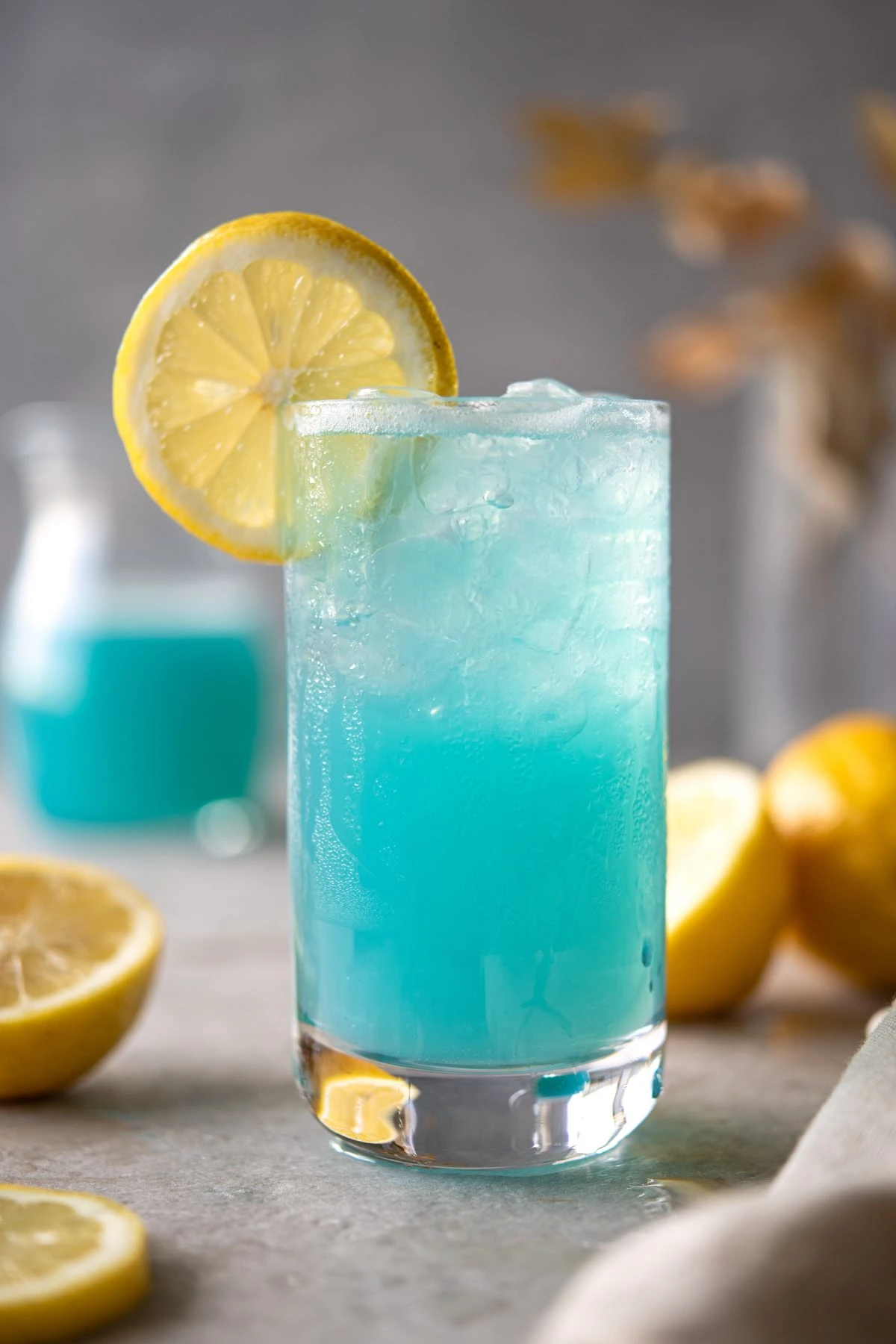 GNT developed a patented technology to keep spirulina stable in a range of beverages including acidic and carbonated types (Credit: GNT). That’s not surprising, considering that GNT began developing its blue spirulina colors in the 1990s.
Alice Lee, technical marketing manager at GNT USA, describes the company’s investment as a “long-term” one to support the F&B industry.
“As demand for alternatives to synthetic colors has grown, we saw value in helping expand the permitted uses of an established blue color solution. Blue remains one of the most challenging colors to achieve from naturally derived sources, and it serves as an important building block for creating greens, teals, purples, and many other blended shades.”
A petition by GNT in 2014 made spirulina blue available across confections, frostings, ice cream and frozen desserts, dessert coatings and toppings, beverage mixes and powders, yogurts, custards, puddings, cottage cheese, gelatin, breadcrumbs, and ready-to-eat cereals. In 2022, the company spearheaded the use of spirulina in beverages.
“One of the most commercially relevant examples was baked goods. Under the existing regulation, spirulina extract could be used in certain decorative applications or inclusions. Still, it couldn’t be added directly to batters or doughs for the purpose of coloring the finished baked product.”
This year, GNT’s petition for spirulina in bakery was approved, but the effective date has been put on hold due to industry objections.
For Lee, the return on that investment goes “far beyond the ingredient itself. Companies that invest in these efforts often generate significant knowledge and expertise along the way.”
“We’ve invested in overcoming technical barriers that historically limited where spirulina could be used,” she adds.
“For example, spirulina’s sensitivity to heat and acid made many beverage applications challenging. We developed a patented technology that allows spirulina-based colors to remain temperature- and acid-stabilized in a vast range of beverage applications, including carbonated soft drinks, energy drinks, enhanced waters, and alcoholic beverages below 20% ABV.”
Broadening the blue palette
Other recent approvals show how suppliers are trying to fill gaps that established natural colors cannot cover. For example, in the case of Blue 1 replacements.
Givaudan developed its Everzure Galdieria blue with French biotechnology company Fermentalg over more than five years. Produced through controlled fermentation of the microalgae Galdieria sulphuraria, the color received FDA authorization in 2025.
Givaudan demonstrated its Everzure Galdieria blue in an acidic drink and promoted its Synthetic Replacement Hub at IFT FIRST 2026.Katie Roundtree, regional product manager for the Americas at Givaudan Sense Color, says one of the industry’s most persistent challenges has been finding an acid-stable blue.
“Normally, spirulina would have been a great replacement for Blue 1, but it doesn’t work well in more acidic applications,” she explains.
Galdieria blue remains stable below pH 3, opening applications in products such as gummies and acidic beverages. The fermentation route may also offer a different approach to scaling supply than colors that rely directly on seasonal crop production.
The petition for a second addition, gardenia blue, was filed by the Gardenia Blue Interest Group, rather than financed by a single company. Filed in 2021, it resulted in FDA authorization in 2025 for specified beverages, hard candy, and soft candy.
San-Ei Gen developed patented gardenia blue formulations and helped lead the consortium behind the approval. Döhler is now commercializing San-Ei Gen’s technology in the US, highlighting its “beautiful color that is perfectly stable in beverage applications.”
However, approval is only one step. Suppliers must still establish raw material sources, expand production, and demonstrate that the color performs consistently in commercial applications.
“Scaling new solutions requires much more than obtaining regulatory approval,” says Lee. “It takes long-term investment across sourcing, production, technology, and application development.”
Consumer perception is everything
As F&B brands consider the switch from synthetics, the industry is also asking the question: Should natural colors be expected to look exactly like their synthetic predecessors?
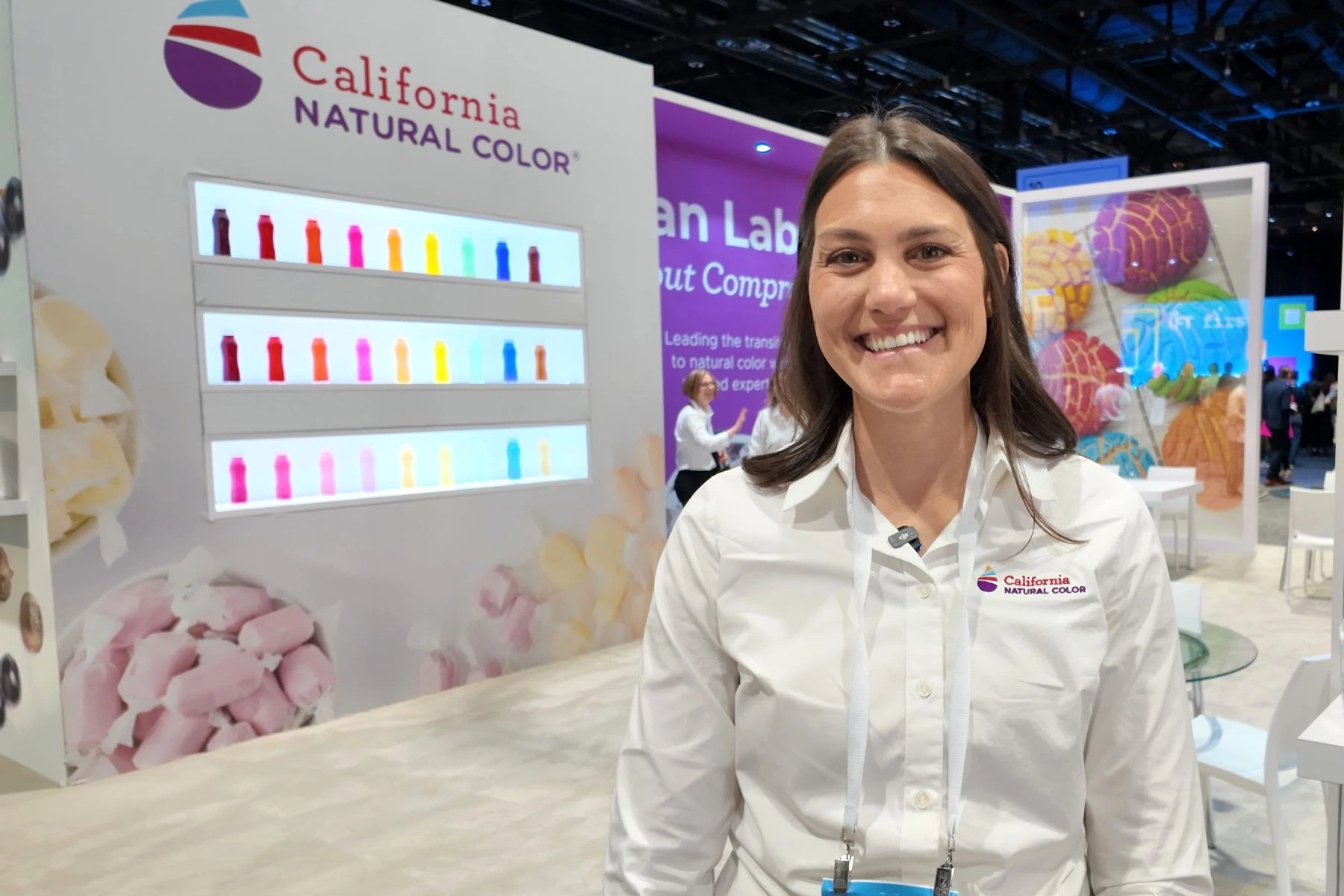 Dana Osborn, marketing manager at California Natural Color.VanHook at Vivify says the business continues to receive requests for colors that “look the same, act the same” and retain their intensity for the same length of time. But VanHook cautions, “they are just not going to.”
Meanwhile, Dana Osborn, marketing manager at California Natural Color, argues that consumers may be willing to accept less vibrancy as a trade-off for a more natural look. “We see brands adding new SKUs as part of their natural line. I think consumers are more willing to accept a less vibrant color if it’s from a natural source.”
She cites a recent study by the Natural Food Colors Association that found consumers were 15% more likely to accept natural colors when the colors’ sources were explained to them.
GNT’s Lee, on the other hand, argues that natural colors can be vibrant, particularly when it comes to new products for which there are no established expectations. “Take ube as an example. We’re seeing all sorts of bright violet colors across different categories, from ice cream to beverages.”
However, when it comes to legacy products, “it’s important that brands communicate any changes to their products to maintain trust with their customers,” she underscores.
That consumer rigidity illustrates a larger point: change is never easy, but it's a bit easier if everyone has to do it at the same time. If a regulatory mandate does ban synthetics, the industry will be ready to make the switch.


Upcoming webinars

Oat-Standing Ingredients - Showcasing Irish Grain Through Innovation
Tirlán Ingredients

2027 Food Safety Risks for Quality & Compliance Leaders
FoodChain ID
Formulating for function: Developing benefit-led beverages with natural colours, botanicals, and flavours
Givaudan Sense Colour