




UK plans CO₂ pig stunning ban as animal welfare groups press for change

Key takeaways
- The UK proposes phasing out CO₂ pig stunning, with welfare groups supporting the move.
- Processors warn that the proposed transition could increase costs and disrupt slaughter capacity.
- Defra expects minimal consumer price effects, while industry fears greater import competition.
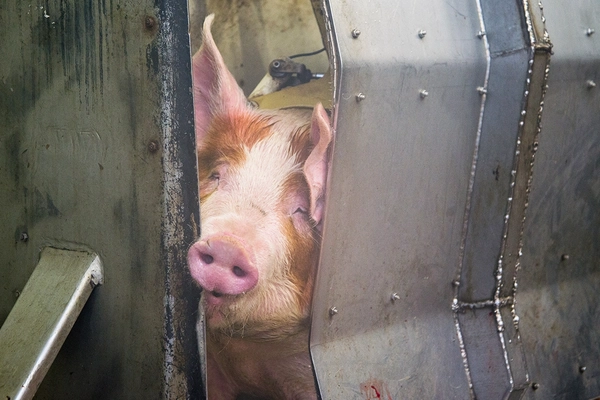
The UK’s plans to phase out the carbon dioxide stunning of pigs have won support from animal welfare groups, but meat processors warn that replacing a method used for about 90% of domestic pig slaughter could disrupt capacity and weaken British pork’s competitiveness.
The Department for Environment, Food & Rural Affairs (Defra) favors a three-year transition, with a two-year option also under consideration. The UK-wide consultation opened this week and closes on December 21. Any ban would follow legislation and a transition period, and no phaseout date has been finalized.
The proposal follows commitments in the government’s animal welfare strategy announced last December, which also addressed confinement systems for hens and breeding sows.

Welfare groups call for action
For campaigners, the consultation offers a chance to act on welfare concerns raised more than two decades ago. Defra estimates that around 9.7 million pigs annually are slaughtered using CO₂, which causes pain, fear, and breathing difficulties before unconsciousness.
The government’s Animal Welfare Committee recommends removing CO₂, including mixtures with inert gases, from permitted pig stunning methods. Committee Chair Madeleine Campbell describes continued use, when more humane legal alternatives exist, as “ethically unacceptable.”
Anthony Field, head of Compassion in World Farming UK, welcomes the consultation and calls for rapid progress toward alternatives.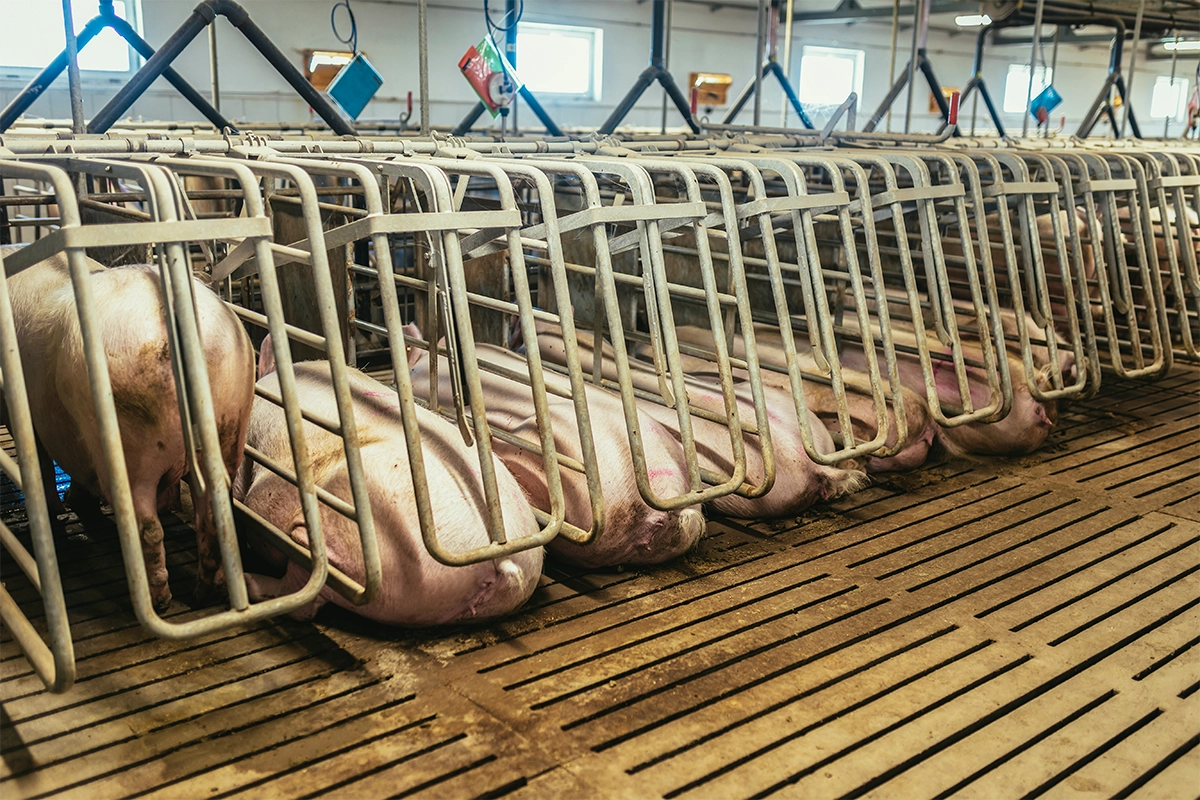 CO₂ stunning is used for about 90% of pigs slaughtered in the UK.
“We hope the outcome of this consultation will be an ambitious timeline for phasing out cruel CO₂ slaughter for pigs,” he says.
The Humane Slaughter Association says CO₂ does not meet its standard for humane stunning because animals experience suffering before losing consciousness. Inhaled CO₂ forms carbonic acid in moist tissues, causing irritation alongside severe breathlessness.
The charity considers argon significantly less aversive and says existing gas facilities can be retrofitted. It also supports electrical stunning, while acknowledging that the handling required beforehand can be more stressful than group gas systems.
RSPCA Assured executive director Toby Baker urges a practical phaseout plan and support for farmers, “so they aren’t bearing the burden alone.” The assurance scheme’s parent charity, the RSPCA, has campaigned against CO₂ slaughter for years.
The RSPCA’s current pig welfare standards still permit CO₂. Its campaign materials acknowledge the difficulty of finding a humane alternative commercially viable at scale, while noting that European research is changing the picture.
The debate reflects wider challenges in translating animal welfare pledges into action. Food Ingredients First previously reported that investment costs and the time needed to transform supply chains remain major barriers to implementation.
Processors warn of costs and disruption
Processors argue that better welfare must be demonstrated across the entire slaughter process without sacrificing the capacity needed to handle British pigs.
British Meat Processors Association chief executive John Powell says research has not established an alternative that can sustain the required throughput and meet consumer demand.
“Until then, phasing out CO₂ is neither practical nor responsible,” he says.
National Pig Association chief executive Lizzie Wilson acknowledges CO₂’s welfare problems but describes the proposed two- to three-year transition as “totally unworkable.” The association wants thorough testing and a fuller assessment of the consequences.
According to Defra, 12 UK slaughterhouses currently use high-concentration CO₂ to stun pigs.
Defra’s consultation acknowledges that argon takes longer to work. Some plants would need additional stunning equipment and pits to maintain throughput, bringing construction, planning, downtime, and staffing costs. Its modeling assumes processors would largely choose argon over electrical systems.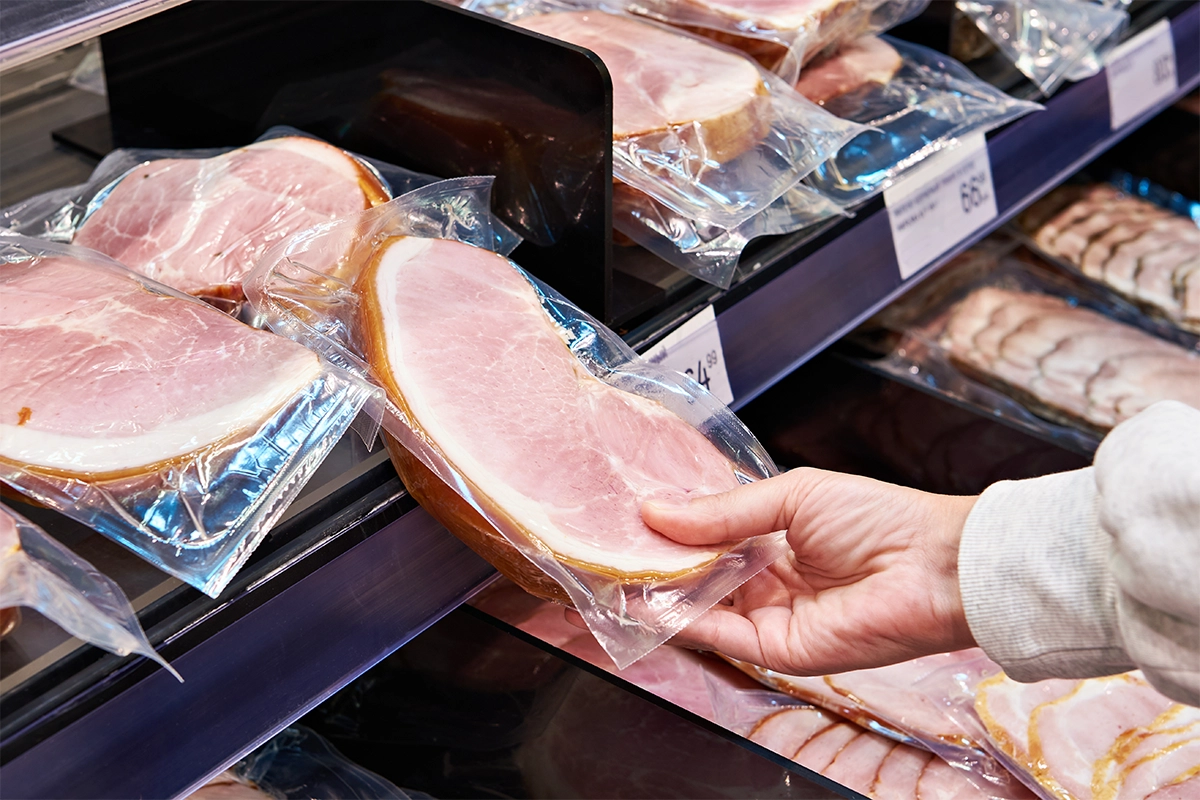 Defra estimates that switching to argon could add 87 pence (US$1.16) per pig.
The scale of the cost increase is contested. Defra estimates an additional 87 pence (US$1.16) per pig when switching to argon, against its CO₂ baseline of £1.49 (US$1.99). The Agriculture and Horticulture Development Board’s added-capacity scenario estimates a £1.07 (US$1.43) increase against a substantially lower 42-pence (US$0.56) baseline.
Defra attributes the divergence mainly to different gas-price and throughput assumptions. It estimates negligible consumer effects, equivalent to about 0.1 pence (0.13 US cents) per sausage if costs were spread across all pork products and fully passed through.
UK pork import concerns
Imports are another concern. The Association of Independent Meat Suppliers wants the consultation suspended until UK–EU sanitary and phytosanitary negotiations conclude, warning that overseas processors retaining CO₂ systems could gain an advantage.
Defra’s impact assessment assumes EU pork produced using CO₂ will continue entering Great Britain. However, the department expects little effect on import competitiveness because the additional costs represent a small share of pork’s retail value.
The consultation asks retailers, food manufacturers, and foodservice businesses whether a ban would prompt them to start importing pork or increase existing imports.