



Middle East F&B trends: Mars Gulf and Yook reveal regional growth opportunities


Key takeaways
- The Middle East faces challenges in heat, logistics, and evolving regulations, driving the need for local production and sustainable sourcing.
- Trends focus on sugar reduction, protein innovation, and plant-based options to meet growing consumer demand for healthier snacks.
- Gulfood, dubbed the world’s largest annual F&B trade show, is currently being held in Dubai (Jan 26–30) at the Dubai Exhibition Centre and Dubai World Trade Centre.
The Middle East poses unique challenges for F&B manufacturers. Logistical pressures and extreme heat make shelf life extension crucial, while evolving regulations further complicate operations for businesses looking to thrive in or export to the region.
Studies show that climate change — including heatwaves and desertification — has profound effects on food availability and the resilience of the food supply chain in the Middle East.
The reliable distribution of heat‑sensitive products such as dairy and seafood is a priority, driving the expansion of the cold storage market to US$18.3 billion.
Innovation opportunities are increasing, as companies align their offerings with consumers’ health and wellness demands. Healthier snacks, including sugar-reduced, protein-enriched, and plant-based F&B, are proliferating on market shelves.
Obai Rahimi, corporate affairs director at Mars Wrigley Middle East & Africa, and Katre Kõvask, CEO at Estonia-based Yook, which produces Middle-East-targeted plant-based drinks, share insights with Food Ingredients First on the unique challenges and exciting opportunities in the region’s evolving F&B landscape.
 Combining “breakthrough agriscience” with local R&D can help deliver high-quality, nutrient-dense products in the Middle East, says Rahimi at Mars Wrigley.Mars Gulf views resilience against supply chain disruptions and regulatory changes as a “structural advantage built on three decades of regional integration,” says Rahimi. “We strengthen flexibility in our ingredient systems through three priorities: local production, smart planning tools, and stronger distribution performance.”
Yook’s Kõvask emphasizes the need for F&B supply chains to be “short and transparent” so the company can respond more quickly to change and deliver consistent supply to its Gulf partners.
The oat-based drink company is participating in the ongoing Gulfood 2026 event in Dubai (Jan 26–30), featuring over 8,500 exhibitors from 195 countries. This year, the trade show is adopting a two-venue model, with exhibitions hosted at the Dubai Exhibition Centre and Dubai World Trade Centre. India is the official country partner for the event.
At Gulfood 2026, Yook is showcasing its oat product range with a focus on how oats can genuinely replace dairy in both professional and home settings.
Yook’s sustainable sourcing
Yook mills, refines, and blends its own wholegrain oats, instead of working with pre-made oat syrups and flour to gain “more control over texture, flavor, and performance.”
“We start with wholegrain oats and manage the full process ourselves, rather than relying on third parties to supply oat syrups or intermediate ingredients. That means we are less exposed to shortages, reformulations, or sudden regulatory changes further up the supply chain,” Kõvask explains.
Rahimi emphasizes the role of sustainable sourcing for ingredients like cocoa, which has been battered by rising prices and supply constraints over the past few years.
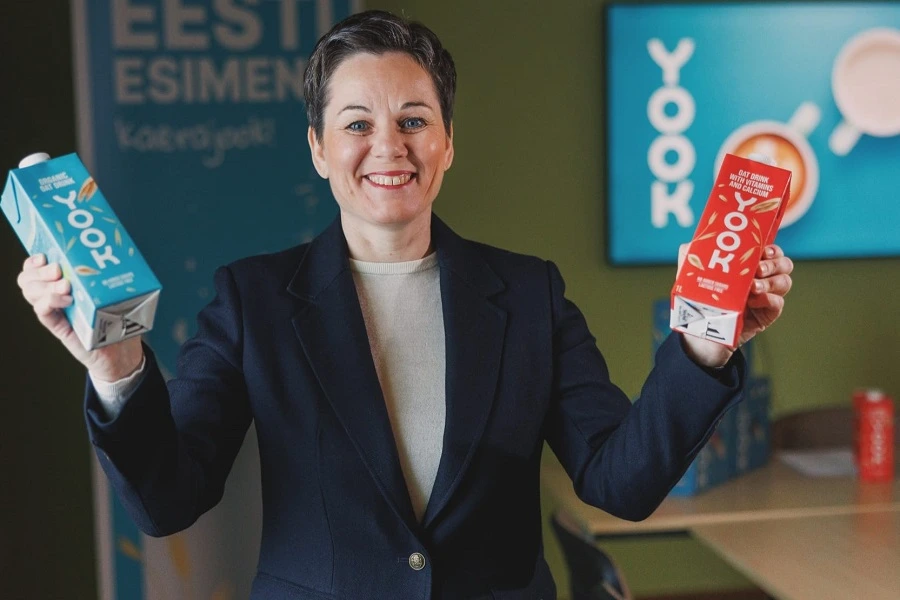 By managing the entire oat process in-house, Yook reduces exposure to shortages, reformulations, and regulatory changes, says CEO Kõvask.“Mars Wrigley’s cocoa is 100% responsibly sourced, backed by an annual premium of US$2 million for zero-deforestation farming. For palm oil, we use an industry-first 1:1:1 model for unmatched transparency, while 80% of our dairy is sourced from low-carbon farms through our US$27 million ‘Farmer Forward’ program.”
“This allows us to invest in high-quality ingredients without passing the cost to the consumer,” Rahimi notes.
Mars’ “digital twins”
Mars Wrigley leverages physical route optimization to increase distribution efficiency in the Middle East, Rahimi tells us.
“In Saudi Arabia, we are streamlining our logistics network to reduce warehouse energy consumption and transport distance, making the journey from manufacturing to the end consumer more efficient and reliable.”
To navigate the complexities of modern supply chain disruptions, the company uses “digital twin” technology to simulate its entire regional supply chain.
“By modeling ‘what-if’ scenarios — from raw material shortages to shipping bottlenecks — we can optimize ingredient flows and logistics decisions faster and with greater precision, helping keep production lines agile and responsive, even as external conditions change,” says Rahimi.
Middle Eastern consumer demands
Across the Middle East, consumers prefer snacks that fit modern lifestyles, without compromising on taste. Flavor trends tracked in the region by Innova Market Insights highlight the popularity of traditional flavor launches, which have generated a 5% CAGR over the past five years. The market researcher also found that social media and online platforms played a vital role in the rise of innovation over the past year.
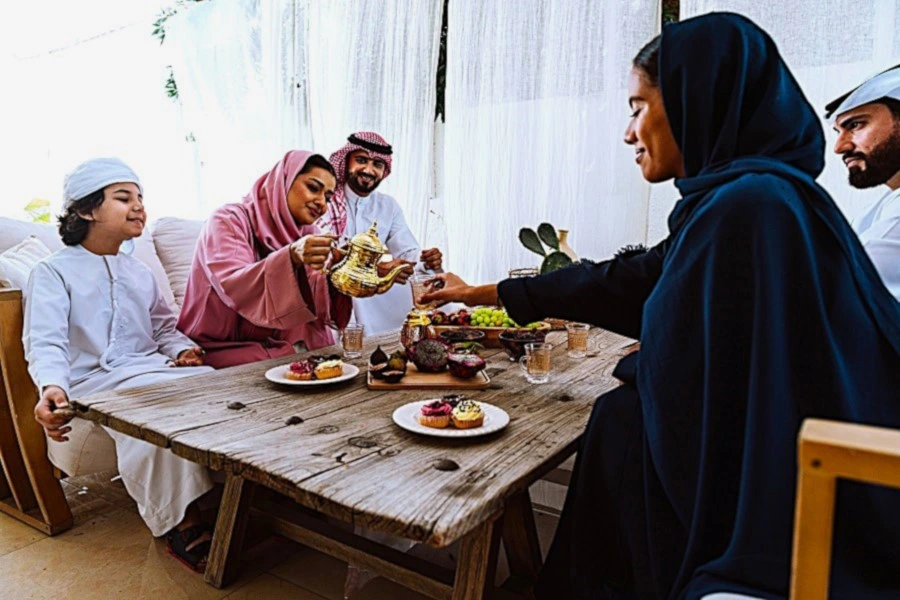 Middle Eastern consumers seek snacks that align with modern lifestyles, offering traditional flavors and wellness benefits.The Middle East’s diverse demographics and shift toward wellness drive Mars Wrigley’s “Snack Responsibly” strategy across two main pillars, according to Rahimi.
The first is “nutritional reformulation,” which focuses on practical changes consumers can stick with, including portion guidance, clear labeling, and responsible reformulation.
“Today, 99% of our global snacking portfolio is now under 250 calories per serving, and 50% is 200 calories or less. Across our most-loved brands, we’re introducing options, such as smaller portions, reduced sugar formats, and higher-protein variants, that reflect evolving dietary preferences in the region,” says Rahimi.
The second is “nutrient-dense innovation,” aimed at expanding choices for consumers who want snacks that feel more functional, through brands like “Be-Kind,” where the first and predominant ingredient is always a nutrient-dense food.
Sugar reduction in focus
Sugar reduction is also a major focus in the region, but consumers still prioritize taste in “satisfying and well balanced” products, says Kõvask.
“Since we process wholegrain oats ourselves, we can limit how much natural sugar is released during production, allowing us to keep sugar levels at around one gram, compared to the industry standard of three to four grams, without using sweeteners or flavor masking.”
Kõvask further underscores the importance of plant-based F&B in addressing health concerns among the Gulf population.
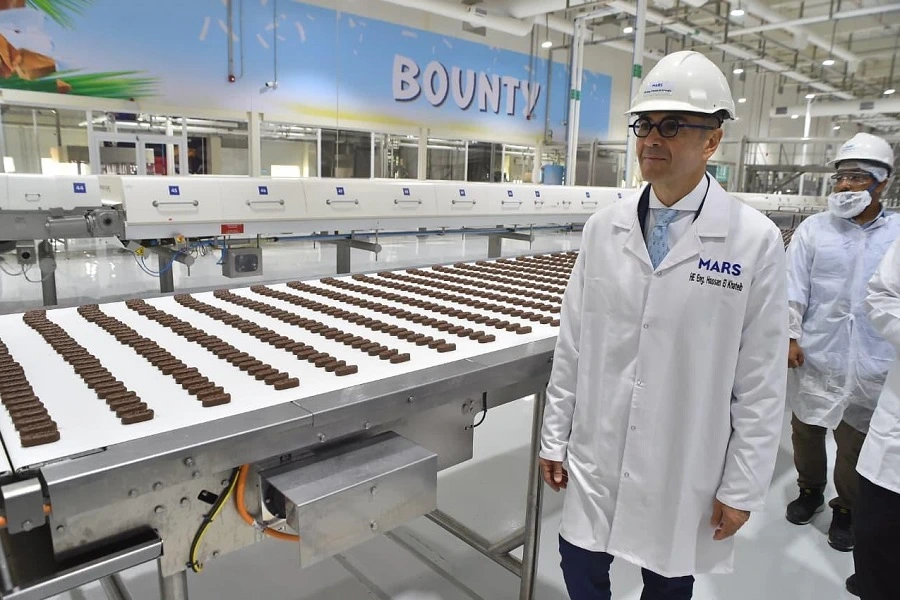 Local facilities such as the one in 6th of October City in Egypt help Mars Wrigley shorten lead times and improve responsiveness (Image credit: Ministry of Investment and Foreign Trade Egypt).“Lactose intolerance and sensitivity are now more openly discussed, with a large proportion of the population in the Gulf affected. This has made plant-based options an important part of everyday diets rather than a niche choice. Oats offer a strong solution in this context, but only if they deliver the same creaminess, balance, and behavior as dairy,” she says.
What’s next for F&B in the Gulf?
Rahimi describes the Middle East as “one of the most exciting markets” for ingredient innovation — driven by a young, diverse population, fast-evolving tastes, and rising interest in wellness.
“The biggest opportunity is developing ingredients that deliver on quality, performance, and nutrition, while staying accessible and suited to the realities of the region’s climate and lifestyles.”
He cites the example of Mars Protect the Peanut Plan, which has an initial investment of US$10 million and a further US$5 million pledge toward pioneering agriscience.
“We are using advanced genomic science to develop harder peanut varieties that can better withstand pests, disease, and unpredictable weather. These factors currently contribute up to 30% of global crop losses, helping strengthen supply security for a key ingredient in our portfolio.”
“We also see significant opportunity in innovation that boosts resilience and product stability, from developing drought-tolerant crops to chocolate and fillings that hold their quality through the summer months.”