

EU Parliament’s environmental committee backs trilogue deal on New Genomic Techniques


Key takeaways
- ENVI approved the trilogue compromise by a strong majority (47–31), advancing the file toward final adoption.
- NGT-1 plants would face lighter rules similar to conventional crops, while NGT-2 plants remain under full GMO-style controls.
- The seed sector welcomes regulatory certainty for breeders and farmers, while consumer and organic groups warn of weakened traceability and safeguards.
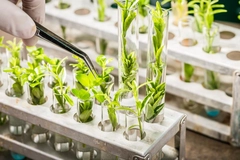
Yesterday, the European Parliament’s Committee on Environment, Public Health and Food Safety (ENVI Committee) voted to approve a deal on New Genomic Techniques (NGTs), marking a critical step toward final adoption of new rules that will impact farmers and breeders.
The approval is considered a decisive step toward making the agreed framework operational, and viewed by some stakeholders as bringing benefits to European farmers and breeders. Others disagree.
The vote was approved by a strong majority (47–31 vote).
A two-tier system for NGTs
Negotiators from the European Parliament, Council, and European Commission reached a political agreement (via the trilogue process) on a new EU regulation for NGT-produced plants, creating a two-tier system for NGT-1 and NGT-2 plants, in December 2025.
Yesterday’s vote was the latest endorsement of plans to classify many NGT plants similarly to conventionally bred plants (NGT1), exempting them from strict GMO regulations, while creating a separate category for others (NGT2).
NGT-1 plants, which are very similar to conventional plants, would be treated like conventional ones with a simplified verification process; NGT-2 plants would remain subject to stricter GMO-style authorization, risk assessment, traceability, and labeling.
European seed sector reaction
The organization representing the European seed sector, Euroseeds, stresses the importance of preserving “the balanced compromise reached,” and had previously urged ENVI Committee members to approve the text as agreed. Euroseeds is concerned that any attempt to reopen the file or introduce new, far-reaching amendments risks delaying the process and undermining its objectives.
“This is an important signal and step forward for EU plant breeders and farmers,” says Garlich von Essen, secretary-general and CEO of Euroseeds. “We are specifically happy to see that there is a very solid and broad majority of MEPs from almost all political groups who support the compromise.”
“This gives us confidence that the EU will soon have the necessary framework for breeders to invest and develop the new plant products our farmers and growers need and expect from our sector as their key partner. We now hope that the file moves forward quickly to the next stages.” The European Commission says the proposed NGT measures will help farmers to grow plants that are more resilient to climate change and require fewer resources.
More approvals will still be needed as the NGT proposals go through Europe’s process, but European Council confirmation is expected in February or early March.
FarmEurope also welcomes the approval, claiming the ENVI Committee vote sends an important signal of the European Parliament’s commitment to promoting responsible, science-based innovation, in support of the sustainability and competitiveness of EU agricultural enterprises.
“European farmers and consumers alike need this text to be adopted as swiftly as possible in order to be equipped with the necessary tools for a more resilient, competitive, and sustainable agricultural sector,” a statement says.
Mixed reactions to EU’s plant breeding future
Meanwhile, Safe Food Advocacy Europe (SAFE), a European consumer organization specialized in food policy, has a different reaction to the ENVI Committee vote, urging the European Parliament to reconsider its initial position with safeguards to protect organic food production.
The organization believes the NGT deal “foresees lower traceability requirements for so-called category 1 NGTs, which would undermine the integrity of organic food production, threatening its very existence.”
SAFE’s deputy director, Luigi Tozzi, says: “Organic food production is at a serious risk. The EU must make sure that all NGTs are fully traceable and clearly labeled. This is the only way to protect organic food production from contamination from new genomic techniques.”
“We call for clear and binding coexistence measures between NGT1 and organic crops, as in the original proposal from the European Parliament and in line with current EU guidelines. This should include liability rules in cases of contamination.”
The European Commission says the proposed NGT measures will enable more innovative plant breeding in the bloc and help farmers to grow plants that are more resilient to climate change, and require fewer resources, fertilizers, and pesticides to fight pests. The commission notes the changes are needed so breeders and farmers can become more competitive by “leveling the international playing field with other producers.”