


China’s dairy trends: Lactalis Ingredients highlights clean label, high-protein solutions in Shanghai


Key takeaways
- Lactalis Ingredients showcases advanced whey and casein proteins for functional, high-protein applications in beverages, snacks, and cheese analogs.
- The company’s ingredients support high-protein, functional nutrition with stable texture and clean label appeal.
- Rising demand in China and APAC, including GLP-1 weight management consumers, is driving growth for nutrient-dense, high-quality dairy proteins.

At Food Ingredients China in Shanghai (Mar 17–19), Lactalis Ingredients is highlighting a range of dairy solutions that tap into the nation’s growing market, where demand for high-protein and functional foods continues to rise. From milk powders to proteins, including whey and dairy fats, Lactalis solutions are developed to meet the technical, nutritional, and functional requirements of its customers. Lactalis is using the trade show as a key touchpoint in China, a major growth market for dairy, sports nutrition, and infant and functional nutrition.
Lactalis Ingredients is showcasing a selection of high-performance dairy solutions, such as Laktein WPC80 for protein enrichment, Pronativ Native Whey Protein for sports nutrition, rennet casein for analog cheeses and protein bars, and Flowhey high fluidity sweet whey powders, suitable for many applications.
Protein demand rises in China
The company will also spotlight a protein bar concept made with rennet and acid caseins, as well as Laktein WPC80. These bars represent a new generation of functional snacks designed for everyday wellness, and meet the expectations of active consumers seeking balanced, tasty, and convenient nutrition.
Food Ingredients First spoke to Marion Bucas, marketing director at Lactalis Ingredients, at FI China 2026.
“Products such as Laktein whey proteins, Pronativ native whey proteins, and native micellar casein are helping brands meet the rising demand for high protein and functional foods by offering nutritional excellence, clean label positioning, and high versatility across applications,” she tells us.
“Pronativ presents two native proteins: Native Whey Protein and Native Micellar Casein. These proteins are directly extracted from fresh milk through gentle membrane filtration. This process preserves the natural structure, high purity, and exceptional amino acid profile of both protein types.”
Dairy trends in China
Across Asia, and especially in China, the market is evolving rapidly, driven by health consciousness, premiumization, and the influence of active lifestyles.
Lactalis sees a strong and sustained interest in protein enrichment, with consumers increasingly aware of the benefits of high-quality dairy proteins for muscle health, immunity, and weight management. This trend extends from sports nutrition into mainstream categories, such as yogurts, beverages, bakery, and even traditional foods. Lactalis’ rennet casein solution helps manufacturers overcome a key formulation obstacle in protein bars by providing a soft and flexible texture that stays stable throughout shelf life.
“Specialized nutrition is also booming. Aging populations are accelerating demand for solutions that support mobility, vitality, and metabolic health, while younger consumers are looking for performance nutrition tailored to fitness and recovery,” says Bucas.
“The region is also seeing rapid growth in convenient, on-the-go formats, such as RTD protein drinks, high-protein snacks, and fortified powders. Chinese consumers, in particular, are highly receptive to innovative formats, which encourages brands to explore advanced dairy ingredients that combine nutrition, functionality, and sensory performance.”
GLP-1 impact emerges
The rapid rise of GLP-1 weight management medications is creating new nutritional needs. It has been most visible in the US, but adoption in Asia Pacific (APAC) is accelerating — APAC obesity care sales grew by 221% (according to Lactalis), highlighting the emergence of a large consumer segment seeking high-quality protein solutions.
GLP-1 users eat less overall but prioritize high-protein, nutrient-dense dairy, such as yogurt, cottage cheese, and whey to support satiety and muscle retention.
“As appetite decreases and portion sizes shrink, consumers increasingly look for nutrient-dense, high-quality protein sources that help maintain muscle mass and support metabolic health. Especially since the rapid weight loss associated with this type of treatment leads to a loss of muscle mass,” Bucas says.
Dairy proteins naturally play a key role in this context, as they are rich in essential amino acids, highly bioavailable, and proven to support satiety and lean mass preservation — two priorities for GLP-1 users.”
“Whey proteins provide fast absorption and strong stimulation of muscle protein synthesis, while caseins offer slow, sustained amino acid release and prolonged satiety. As GLP-1 adoption expands in the region, dairy proteins offer brands a scientifically credible and highly functional foundation to develop the next generation of nutrition solutions for weight management consumers.”
“Our dairy protein solutions offer both scientific credibility and formulation flexibility, enabling the creation of targeted nutritional products that complement modern weight management strategies,” explains Bucas.
Lactalis’ dairy solutions showcase
Pronativ native whey protein provides rapid digestion and a high leucine content, making it ideal for products focused on performance, recovery, active lifestyles, and metabolic health, while Pronativ native micellar casein offers slow and sustained amino acid release, contributing to satiety, muscle maintenance, and balanced nutrition.
“This dual offering allows brands to tailor protein delivery profiles based on consumer needs — fast-acting nutrition, long-lasting satiety, or a combination of both. And because Pronativ offers pure and natural proteins, it helps brands to formulate clean label products,” continues Bucas.
“Laktein whey proteins complement this by providing robust functional performance across a wide range of F&B applications, enabling formulators to create bars, drinks, snacks, and specialized nutrition products with elevated protein content while maintaining excellent taste and texture.”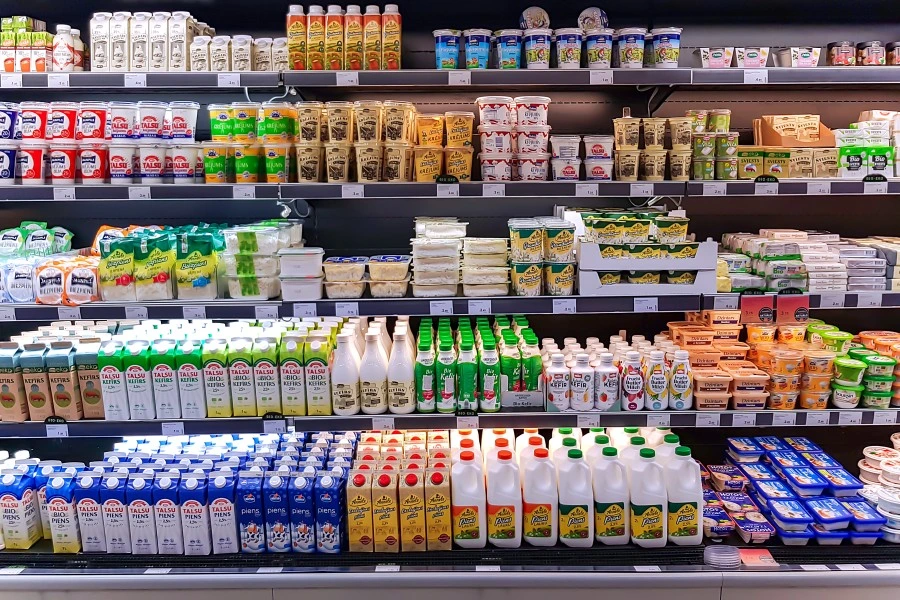 Lactalis is responding to consumer demand in China for high-protein, high-quality dairy products, including yogurts and cottage cheese.
Overcoming formulation challenges
Bucas says that for ready-to-drink (RTD) beverages, heat treatment can cause protein denaturation, sedimentation, or phase separation. Pronativ Native Micellar Casein supports smooth textures in high protein milky drinks with enhanced heat even under UHT conditions, allowing manufacturers to create creamy, nutritionally dense beverages without compromising sensory quality.
“On the other hand, Pronativ Native Whey Proteins are particularly suited for clear RTDs. They maintain excellent clarity and solubility, with a neutral taste, and remain stable under acidic conditions. This makes them ideal for clear RTDs, refreshing protein waters, and modern on-the-go formats that are increasingly popular in Asia and beyond.”
“In the protein bar segment, one of the most critical issues is the progressive hardening of texture over time, which can make bars brittle or unpleasant to consume. Our rennet casein offers a clear advantage by providing a soft and flexible texture that stays stable throughout shelf life, helping manufacturers overcome one of the category’s main formulation obstacles.”
Unlocking casein functionality
The ingredient also delivers a neutral taste, avoiding the astringent or sulfur notes typical of certain protein sources, and its natural calcium content adds nutritional value.
“Importantly, rennet casein stands out as one of the most cost-effective dairy proteins used in protein bars today, making it a compelling alternative to caseinates. Its fine particle size ensures a smooth, non gritty mouthfeel, even without a dissolution step, and its high casein content enables prolonged amino acid release, supporting performance focused formulations. The ingredient is also suitable for ‘low lactose’ or ‘lactose-free’ positioning, which remains a strong consumer demand,” says Bucas.
For cheese analogs, formulators are confronted with an entirely different set of challenges linked to replicating the complex behaviors of natural cheese.
“Achieving the right firmness for shredding, ensuring controlled melt and stretch, and preventing excess oiling off are all highly sensitive to ingredient choice and process parameters. Our rennet casein plays a decisive role here, as it provides the firm texture needed to obtain a clean shred, supports stable melting and elastic filaments, and helps maintain controlled fat release during heating,” Bucas adds.
“It also brings strong water-binding capacity, ensuring rapid hydration, an essential property in analog cheese manufacture, and offers a clean, neutral dairy flavor appreciated by manufacturers seeking consistent sensory performance.”
Hot climate stability
Bucas notes that for customers operating in hot and humid climates, storing sweet whey powders can be challenging. Standard whey powders exposed to long distance transport or warehousing in tropical conditions tend to develop browning and caking issues, leading to complications for manufacturers: manual intervention, dissolution issues, and defects in finished products.
“Thanks to optimal lactose crystallization, Flowhey high-fluidity sweet whey powders are specifically engineered to withstand export reality. Their low hygroscopicity, low caking properties, and color stability make them quick and easy to handle without manual intervention, improving processing efficiency and consistency, even after a long period of storage,” she says.