



Heat stress threatens dairy ingredient quality as Cornell study flags fat and protein losses


Key takeaways
- Heat stress reduces not only milk yield but also fat and protein levels, affecting dairy ingredient quality and processing value.
- Cornell researchers estimate these composition losses could roughly double the economic damage from heat stress, reaching around US$1.65 billion for the US dairy sector.
- The findings raise supply chain concerns for dairy ingredient buyers, especially around raw material consistency, milk solids, formulation performance, and climate adaptation.
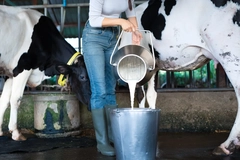
Warming temperatures are creating a dual challenge for the dairy sector, reducing not only milk volumes but also the fat and protein content that underpins the value of dairy ingredients, according to new research from Cornell University.
The study, published in Environmental Research Letters, finds that heat stress in dairy cows has a measurable impact on milk composition, with potential implications for processors, ingredient suppliers, and manufacturers relying on consistent dairy inputs for cheese, yogurt, butter, whey proteins, and other value-added applications.
Cornell researchers analyzed milk production data from around 6.5 million cows across 43 US states between 2007 and 2016, comparing the results with weather data mapped to 2.5-mile grids. While previous research has established that high heat and humidity reduce milk yield, the new findings show that milk fat and protein levels begin declining at lower temperature thresholds than overall output.
This means dairy quality deterioration may be occurring more frequently and across a broader part of the year than volume losses alone would suggest.
Economic impact “basically doubled”
Ariel Ortiz-Bobea, senior author of the study and associate professor of agricultural economics at Cornell, says heat-related dilution of key milk components has been “under the radar.” When composition losses are included, he says, the economic impact “basically doubles the damage.”
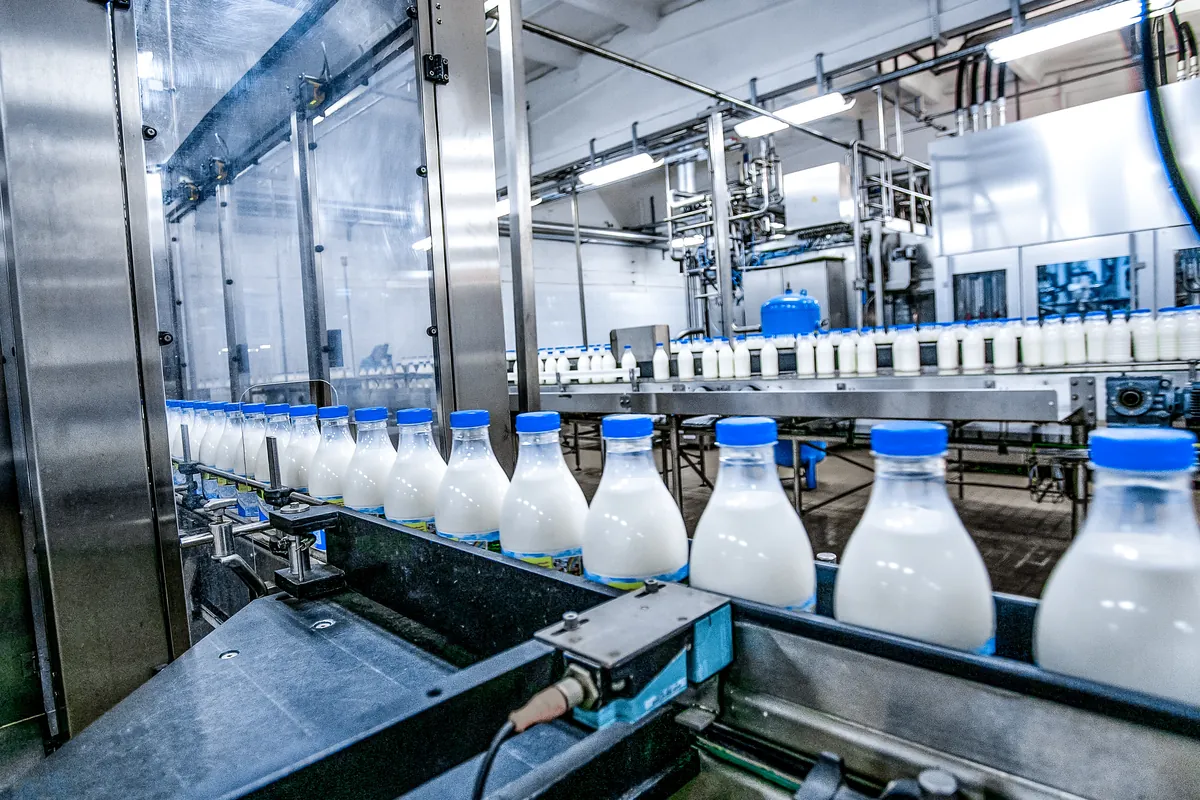 Dairy accounts for around 20% of US animal product output, making heat-related quality shifts a wider food value chain concern.The researchers calculated that an average 10-point increase on the temperature-humidity index corresponds with a 1.2% decline in milk yield, but a 2.8% reduction in annual revenue. That gap reflects the importance of milk solids in dairy pricing systems, as US farmers are compensated based on fat and protein content.
For the US dairy industry, Cornell estimates the combined effect could represent a US$1.65 billion loss. The researchers note that dairy accounts for around 20% of US animal product output, making heat-related quality changes a significant concern for the wider food value chain.
For ingredient buyers, the findings point to a growing climate-related risk around milk standardization, raw material variability, and margin pressure. Lower fat and protein levels can affect processing economics, product yields, and formulation consistency, particularly in categories where dairy solids are central to performance, texture, and nutrition claims.
Regional shifts in milk sourcing?
The study also suggests limited evidence that cows are naturally becoming more heat-resilient. Researchers found little variation in heat response across cow age, farm size, or region. Instead, adaptation appears to be structural, with dairy production tending to remain more viable in cooler regions.
This could intensify regional shifts in milk sourcing over time and increase pressure on farms in warmer production areas to invest in cooling, genetics, nutrition strategies, and precision monitoring.
Ortiz-Bobea says the findings could broaden R&D priorities in dairy beyond productivity alone. The sector has historically focused heavily on increasing output, but the study raises questions about whether breeding and management systems should place greater emphasis on resilience traits, including the ability to maintain milk solids under heat stress.
The researchers hope that more granular daily and cow-level data will help identify animals that are better able to maintain performance in warmer conditions. Such insights could support breeding programs, farm management tools, and climate adaptation strategies across the dairy supply chain.