


GNT files US petition for safflower color amid FDA shift toward natural alternatives


Key takeaways
- GNT files a US color additive petition with the FDA for its safflower-based color concentrate, seeking approval for use across F&B applications.
- The filing comes as the FDA moves to reduce petroleum-based synthetic dyes and accelerate naturally derived alternatives, creating new opportunities for plant-based color solutions.
- If approved, safflower concentrate would give US manufacturers another option for vibrant yellow shades, with GNT highlighting its water solubility and stability across different applications.
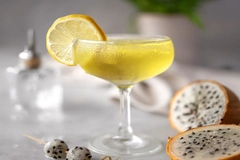
GNT has filed a color additive petition with the US FDA seeking approval for its safflower-based color concentrate. Approval would add another natural alternative to a US food color market undergoing significant regulatory change.
The company said its Exberry safflower concentrate is intended for use across a range of food and beverage applications, including confectionery, frozen desserts, dairy and non-dairy products, cereals, soups, dressings, and pickled vegetables.
Safflower is an edible plant that delivers vibrant yellow shades.
A decade in development
The filing follows nearly a decade of research and safety evaluation, according to GNT, and represents an important regulatory milestone for the company.

Jeannette O’Brien, vice president of Sales & Marketing at GNT USA, says: “This filing marks an important step in a long and rigorous process. Bringing a new color additive petition to this stage takes deep technical understanding, comprehensive scientific work, and careful regulatory preparation to support the safety and intended use of the color.”
If approved, the safflower-derived color would provide US manufacturers with another option for achieving yellow shades without relying on petroleum-based synthetic colors.
“Product developers need flexible color options that can support different applications, processing conditions, and shade targets,” says Alice Lee, technical marketing manager at GNT USA.
“The value of safflower concentrate is not limited to yellow shades. Its water-soluble properties allow it to be used on its own or in blends with other plant-based colors to help manufacturers fine-tune a broad spectrum of bright, stable shades.”
Changing US color regulatory landscape
The timing of GNT’s filing is significant. The US food color sector is undergoing a major shift as part of the Trump administration’s “Make America Healthy Again” initiative, under which the Department of Health and Human Services and the FDA announced in April 2025 plans to phase out petroleum-based synthetic dyes from the US food supply.
The FDA is working with industry to eliminate six widely used certified colors — FD&C Red No. 40, Yellow No. 5, Yellow No. 6, Blue No. 1, Blue No. 2, and Green No. 3 — by the end of 2027. At the same time, the agency committed to accelerating the review and approval of naturally derived alternatives.
The policy shift has already begun to reshape the regulatory landscape. In May 2025, the FDA approved three new color additive petitions, including blue colors derived from red algae and butterfly pea flowers, while gardenia blue was approved in July 2025.
This July, the FDA also revoked the authorized use of Orange B and proposed revoking Citrus Red No. 2.
For color suppliers, the changing regulatory environment creates pressure and opportunity. Reformulation is not simply a matter of replacing one color with another, as manufacturers need alternatives that can deliver the required shade while performing under different processing conditions, formulations, and shelf life requirements.
Technical performance and formulation flexibility
GNT says safflower concentrate offers good pH, heat, and light stability, while its water-soluble properties make it particularly suited to beverages and applications requiring a clear yellow appearance. The company also said it can be combined with other plant-based colors to produce shades, including orange and green.
GNT’s filing therefore arrives at a time when regulatory pressure on established synthetic colors and demand for alternative color technologies are moving in the same direction.
However, the petition must first be approved, as US color additives require review and authorization by the FDA before they can be used in food. The agency assesses factors including safety data, expected dietary exposure, purity, and intended conditions of use.
Exberry safflower concentrate is used as a coloring food in the EU, where qualifying concentrates are regulated as food ingredients rather than color additives, and has a history of use in F&B applications in other markets.


Upcoming webinars

Oat-Standing Ingredients - Showcasing Irish Grain Through Innovation
Tirlán Ingredients

2027 Food Safety Risks for Quality & Compliance Leaders
FoodChain ID
Formulating for function: Developing benefit-led beverages with natural colours, botanicals, and flavours
Givaudan Sense Colour