

Givaudan webinar preview: Combining color, botanicals and flavor in functional beverages

Key takeaways
- Givaudan’s upcoming webinar will explore how wellness needs and drinking occasions shape functional beverage development.
- Natural colors help communicate expected flavors and benefits, from energy to relaxation.
- Considering colors, botanicals, and flavors together early can help improve stability and sensory appeal.

For beverage developers, natural solutions with interesting and memorable flavors, colors, and botanical combinations are key to creating benefit-led beverages that consumers trust, according to Givaudan.
The multinational flavor and fragrance manufacturer’s upcoming webinar, “Formulating for function: Developing benefit-led beverages with natural colours, botanicals, and flavours,” will explore consumer expectations around colors and how brands can communicate their benefits, and explain the technical challenges of combining these ingredients in functional beverages.
Ahead of the session, Food Ingredients First sits down with the webinar’s speakers, Marion Veyrines, global marketing manager, Protein & Initiatives at Givaudan Taste & Wellbeing, and Catalina Ospina, technical marketing specialist at Givaudan Sense Colour, to discuss how natural colors influence consumer perceptions of a drink’s flavor and benefits.

We also discuss the formulation challenges when combining bioactive botanicals, natural colors, and flavors, and how natural colors can affect functional beverage stability.
“Consumers don’t experience beverage color, flavor, and function separately — they come together in a single, integrated experience,” the speakers tell us.
You can register for free for the webinar here, which will be broadcast on October 21, 2026, at 15:00 CEST.
Wellness moves into everyday drinking occasions
For Givaudan, the opportunity starts with consumers seeking alternatives to conventional supplement routines.
“Consumer preference for wellness ingredients has been shifting from some of the more traditional supplement formats, like capsules or tablets, toward foods and drinks with functional properties, which are often perceived as a more natural and less intrusive approach to health and wellness.”
The speakers point to energy drinks, iced teas, and carbonated soft drinks as applications incorporating botanicals, with drinking occasions spanning social activities and unwinding rituals.
“In the webinar, we’ll share the results of our proprietary global survey that identifies the different need states, occasions, and moments throughout the day when people choose to drink functional beverages. Motivations range from a desire to increase immunity or gut health, increase hydration or replenish energy, all the way to indulgence and relaxation.”
This builds on Givaudan’s focus on sensory and emotional connections. Food Ingredients First previously explored how the company’s Fi Europe concepts drew on consumer associations between ingredients, colors, and mood.
Color sets expectations before the first sip
Those associations give developers another way to communicate a beverage’s positioning.
“Color is often the first sensory cue consumers encounter, making it a powerful tool for shaping expectations and creating appealing beverage experiences.”
“Natural colors build trust with consumers — they have a health halo that adds to the wellness credentials and authenticity of foods and beverages, giving consumers confidence in what they are putting in their bodies.”
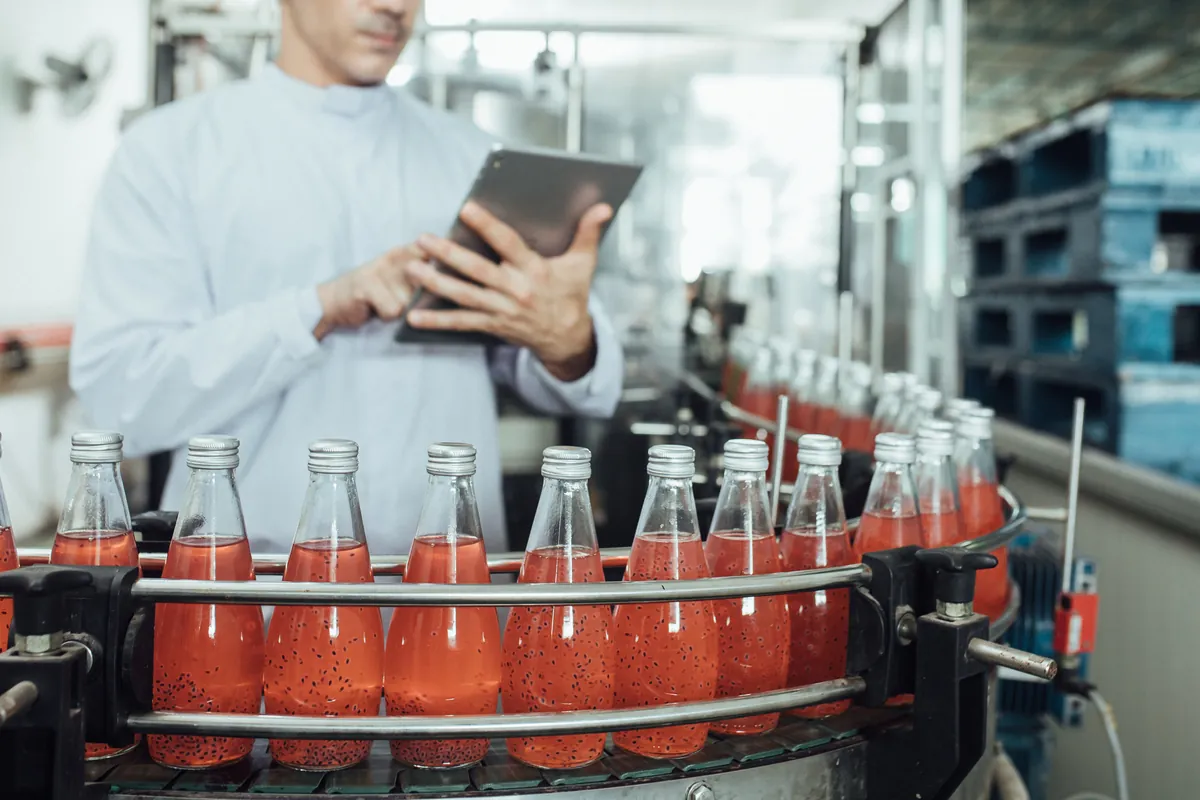 Considering color, flavor, and botanicals together early in development can improve beverage stability and performance.The speakers describe these as consumer associations: berry reds can suggest antioxidant properties, while carotenoid oranges can signal immunity.
“Reds, oranges, and yellows are often associated with energy or performance hydration. Pale blues and purples are calming and serene. Understanding the associations and functionality of color helps us work with customers to deliver better benefit-led beverages.”
“For developers, this means color should be considered an integral part of beverage design rather than an isolated ingredient decision. When color, flavor, functional positioning, and consumer need states are aligned, brands can create more intuitive and engaging beverage experiences that resonate with consumers and strengthen product appeal.”
Managing ingredient interactions
Delivering the intended appearance can be more complicated once botanicals, electrolytes, and flavors enter the formulation.
“ColoRs, flavors, and functional ingredients can all interact with each other or with other ingredients in beverage formulations. For example, wellness botanicals like lemon balm or tea-based drinks have polyphenols that can cause certain natural colors to precipitate or change color. Electrolytes can have a similar impact. Or when using both a color and flavor emulsion, the systems need to be compatible, or there is the risk of broken emulsions.”
The challenge is particularly relevant to relaxation drinks, where some of the blue, green, and purple shades associated with unwinding can be affected by botanical interactions.
Natural color performance is also a wider industry focus, as explored in our coverage of innovations addressing pigment stability and expanding the available palette.
However, the speakers stress that ingredient compatibility matters for synthetic colors as well.
“FD&C colors can also interact with bioactive components and functional ingredients, so it’s important to formulate functional beverages keeping in mind all ingredients to prevent unwanted interactions and present consumers with the best beverages possible.”
Beyond technical testing and guidance, the choice of beverage format can help.
“Developers can also consider additional formats — like dry mix beverages in powder and tablet formats. Through these applications, we can minimize or eliminate the long-term interaction and ensure a reliable visual presentation for a consistent consumer sensory experience.”
Bringing the concept to life
The webinar will illustrate this approach through Givaudan’s Sunrise Salute, a beverage concept targeting consumers seeking energy and mental clarity during the day.
“Sunrise Salute combines citrus and honey flavors with yerba mate and other wellness botanicals to deliver that natural surge of energy that’s needed throughout the day. Its vibrant orange color comes from an anthocyanin blend, creating a refreshing beverage experience inspired by Japanese flavor cues.”
For developers working on their own concepts, the speakers emphasize making these decisions during ideation, when ingredient formats and dosages can be considered together.
“Considering color early in the development process, when you’re also thinking of your flavor and functional attributes, can allow the best dosages and formats of all three ingredients for best results for the consumer and a smoother formulation process.”
“Using a holistic approach to functional beverage development early in the process, where color, flavor, and botanicals are developed together, can help optimize stability, sensory appeal, and overall product performance.”



Upcoming webinars

2027 Food Safety Risks for Quality & Compliance Leaders
FoodChain ID
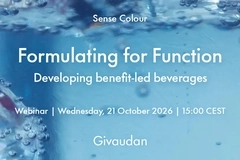
Formulating for function: Developing benefit-led beverages with natural colours, botanicals, and flavours
Givaudan Sense Colour
Let's reveal the grain potential: Innovate
Meurens Natural