


Saudi Arabia quietly expands alcohol access as hospitality sector watches for signals


Key takeaways
- Saudi Arabia has expanded access to its sole licensed alcohol outlet, allowing some non-Muslim expatriates to buy alcohol, while denying any formal policy shift.
- The move hints at a cautious test tied to Vision 2030 and upcoming mega-events, despite official pushback on broader liberalization claims.
- Hospitality groups are planning for possible change, as tourism grows and regional competitors already offer regulated alcohol access.
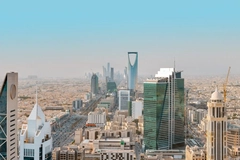
Saudi Arabia has quietly expanded access to its sole licensed alcohol outlet in Riyadh, allowing non-Muslims with premium residency status to purchase beverages previously restricted to diplomats.
The move, made without official announcement, signals a cautious regulatory experiment as the kingdom prepares to host Expo 2030 and the 2034 FIFA World Cup — though officials deny any broader policy shift is planned.
An unmarked store in Riyadh’s Diplomatic Quarter opened in January 2024, catering exclusively to non-Muslim diplomats. Access has since widened to include non-Muslim expatriates earning at least SAR 50,000 (US$13,300) monthly, according to Bloomberg.
Security remains tight, with identity checks, purchase quotas, and a ban on phones inside the premises, according to reports. Prices are elevated, and the selection of wine and beer is limited, customers told the Associated Press.

Vision 2030 and the tourism boom
The kingdom welcomed 116 million tourists in 2024, including 29.7 million international visitors — an 8% year-on-year increase, according to the Saudi Ministry of Tourism. Total spending reached US$73.3 billion. Having exceeded its original 100 million target six years ahead of schedule, Saudi Arabia now aims for 150 million annual visitors by 2030.
Expatriates comprise roughly 44% of the population, or approximately 15.7 million people, according to the official statistics agency GASTAT. This demographic, alongside rising tourist volumes, offers a lucrative consumer base that has access to alcohol in competing destinations within the Middle East.
“We always knew it was coming, that Saudi Arabia was preparing for something,” Michael Ratney, former US Ambassador to Saudi Arabia, told the Wall Street Journal. “You would go into new restaurants, and they all had bars. The bars didn’t have alcohol, but the infrastructure was starting to pop up.”
Official denials, industry preparation
Reports in May 2025 claiming Saudi Arabia would license 600 venues by 2026 were swiftly denied. A Saudi official told Reuters the claims were “unfounded,” and Arab News reported they lacked “any official confirmation from relevant authorities.”
Yet F&B industry observers note the gap between official statements and on-the-ground signals. Major hotel operators, including Marriott, Hilton, and Accor, are building Saudi pipelines, and the kingdom’s megaprojects — NEOM, Red Sea, Qiddiya — are designed to global hospitality standards where beverage availability is typically assumed.
Several global beverage groups already operate in Saudi Arabia through malt drinks and non-alcoholic beer, categories that have seen strong growth. Any future expansion into alcoholic products would likely complement — rather than replace — these existing portfolios.
Regional competition
The UAE’s alcoholic beverages market was valued at US$3.5 billion in 2024 and is projected to reach US$6.7 billion by 2033, growing at a 7.5% CAGR, according to Report Ocean.
Dubai alone attracted 11.17 million overnight visitors in the first seven months of 2025. Saudi Arabia, with a larger population and higher tourism volume, represents substantial untapped potential should policy evolve.
Penalties for alcohol violations in Saudi Arabia remain severe. Foreigners face fines, imprisonment, and deportation. Citizens face stricter consequences, including potential flogging, though a 2020 reform replaced flogging with fines or jail for discretionary offenses.
For now, the kingdom maintains that tourism can thrive without alcohol, pointing to entertainment offerings from Formula 1 to major music festivals. But with two mega-events on the horizon and competitors across the Gulf offering regulated access to alcohol, the quiet expansion of Riyadh’s single liquor store may represent a pilot program for future legislation.


Upcoming webinars

2027 Food Safety Risks for Quality & Compliance Leaders
FoodChain ID
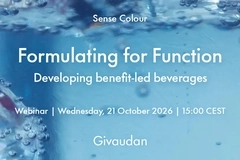
Formulating for function: Developing benefit-led beverages with natural colours, botanicals, and flavours
Givaudan Sense Colour

Let's reveal the grain potential: Innovate
Meurens Natural