



Cultivated meat: Ever After Foods and Roslin target cost barriers with 19-fold protein productivity

Key takeaways
- Ever After Foods and Roslin Technologies report up to 19-fold higher cultivated protein and dry biomass productivity versus stirred-tank suspension.
- The packed-bed system combines higher cell density with greater protein output per cell, targeting lower production costs and better bioreactor utilization.
- Cells grow directly on an edible scaffold, reducing downstream processing while supporting cultivated pork, structured ingredients, and hybrid meat applications.
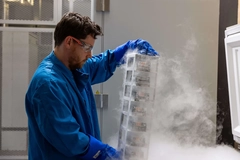 (Image credit: Roslin Technologies).
Scotland-based Roslin Technologies and food-tech firm Ever After Foods (EAF) are targeting cultivated meat scale-up bottlenecks with a production approach that combines pluripotent stem cells and edible packed-bed cultivation. The companies have announced up to “19-fold higher” cultivated protein and dry biomass productivity compared with a stirred-tank suspension benchmark.
EAF and Roslin also report 11 times higher wet biomass productivity and cell densities above 150 million cells/ml. They produced structured tissue directly on EAF’s edible PlantriX scaffold using Roslin’s porcine pluripotent stem cells with EAF’s Edible Packed Bed (EPB) technology.
For cultivated meat companies, the commercial significance lies in producing more edible material from each liter of bioreactor capacity. While the industry has long focused on high cell density, EAF and Roslin argue that output per cell is equally important. Higher protein and biomass yields can improve manufacturing efficiency and potentially reduce production costs.

The companies say the productivity gains were driven by a combination of nearly five times higher cell density and roughly four times more protein and dry biomass produced by each cell.
Barak Zohar, CTO of EAF, tells Food Ingredients First that this distinction is particularly important when considering cultivated meat economics.
“In simple terms, we produce more cells per liter and more valuable nutrition, such as protein per cell, which together drive significantly higher productivity than conventional suspension-based cultivation systems,” he says.
“In our collaboration with Roslin, this translated into 19 times more cultivated protein and dry biomass per liter than the suspension benchmark using the same cells. That is the critical distinction for manufacturing economics.”
Cultivated meat productivity beyond cell density
Zohar points to “cell density and biomass productivity” as two of the biggest limitations of conventional suspension bioreactors that EAF’s edible packed-bed system addresses.
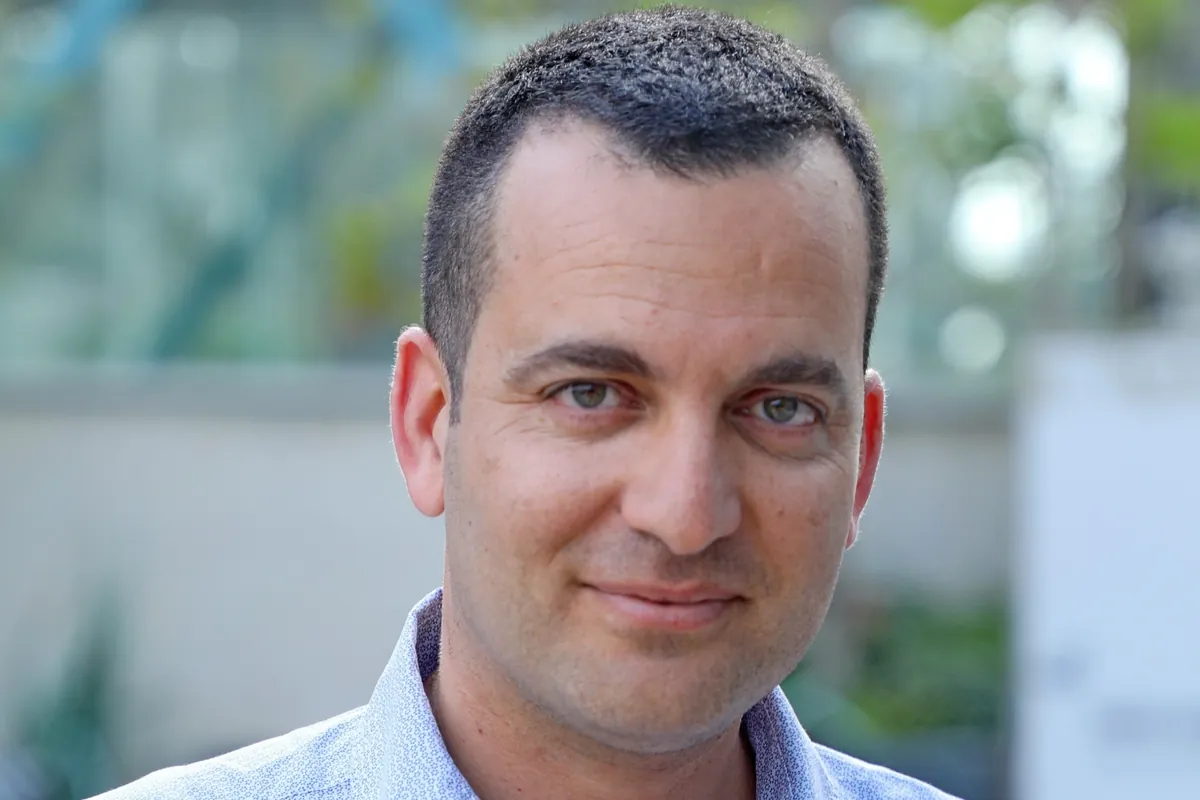 Barak Zohar: Our objective is to make cultivated meat viable by maximizing edible protein and structured tissue per liter.“First, our edible packed-bed system enables much higher cell density through a combination of continuous perfusion and ultra-low shear conditions. This allows us to continuously supply fresh nutrients and remove metabolic waste without relying on cell retention devices, while avoiding the high shear forces generated by mechanical agitation,” Zohar explains.
Second, the edible scaffold creates a “three-dimensional environment” where cells can anchor, interact, and organize into tissue-like structures.
“This allows cells to invest more resources into producing intracellular and extracellular proteins, resulting in higher protein-rich biomass per cell. Because the cultivation environment has very low shear, these structures remain intact rather than being continuously disrupted, which helps retain valuable biomass.”
Edible scaffolds boost structured tissue formation
According to Ernst van Orsouw, CEO of Roslin Technologies, cells cultivated freely in suspension generally produce a wetter, more fluid and “pourable” biomass.
“Such biomass is highly versatile for food applications as it can be dried and integrated with other ingredients. To add texture and tenderness, other ingredients need to be added post-harvest as part of the food formulation process,” he tells Food Ingredients First.
“Growing cells in a bioreactor together with EAF’s scaffold already provides this structure and reduces downstream food technology steps.”
An additional benefit of the adherence of the cells to the scaffold is that it allows the cells to produce more biomass per cell, which boosts biomanufacturing productivity and thereby lowers product cost, he adds.
EAF notes that its edible plant-based scaffold accounted for less than 2% of the final product by weight in the reported tests. Its wet biomass, dry biomass, and protein measurements excluded both the scaffold and culture media, meaning the figures represent cultivated cell-derived material.
Pluripotent stem cells support scale-up
Roslin’s porcine pluripotent stem cells offer various advantages to cultivated meat production, according to Van Orsouw.
“The cells have long life spans, grow fast, and can differentiate into any desired tissue, including muscle and fat. On top, the cells are genetically stable and form homogenous populations.”
 Ernst van Orsouw: Growing cells together with Ever After Foods’ scaffold provides structure and reduces downstream food technology steps.“Together, these traits enable predictable biomanufacturing at large scale for long duration and at affordable cost.”
However, for moving Roslin’s cells from suspension culture into EAF’s packed-bed environment, the companies need to overcome a technical challenge.
Roslin’s cells are traditionally cultivated as aggregates in suspension, so EAF had to “gently separate the cell aggregates” before reseeding them onto its three-dimensional edible scaffold while maintaining their ability to attach and grow, Zohar explains.
He says EAF developed an approach that does not require costly attachment factors or specialized coatings and can be incorporated into a closed and scalable manufacturing process.
“The successful attachment and growth we observed showed that Roslin’s cells can transition from aggregate-based suspension culture to our 3D edible scaffold environment, which is an important step toward industrial-scale production using the EAF platform,” Zohar says.
Cultivated pork and hybrid meat applications
The companies say combining Roslin’s cell platform with EAF’s tissue-production technology provides a path from cell expansion through structured tissue production and manufacturing scale-up.
Zohar expects its potential use in cultivated meat applications where both animal protein and tissue structure matter — such as cultivated pork, structured meat ingredients, and hybrid meat products.
“Unlike unstructured cell biomass, tissue produced on our edible scaffold already has an integrated three-dimensional structure, potentially reducing subsequent food-processing steps,” he says.
The platform is also not intended to be limited to pork, Zohar emphasizes. EAF has previously worked with Bühler on a commercial-scale EPB system as it seeks to advance the manufacturing approach toward industrial production.
EAF and Roslin are now continuing development and scale-up work on the combined cell and tissue-production platform.



Upcoming webinars

2027 Food Safety Risks for Quality & Compliance Leaders
FoodChain ID

Formulating for function: Developing benefit-led beverages with natural colours, botanicals, and flavours
Givaudan Sense Colour
Let's reveal the grain potential: Innovate
Meurens Natural