

Scientists unlock “living biosensor” for early wine spoilage alerts


Key takeaways
- A biosensor using E. coli detects acetic acid, an early indicator of wine spoilage, for cost-effective monitoring.
- The system works reliably in high-alcohol environments and detects acetic acid in both liquid and air above the wine.
- The technology has potential applications in other fermentation industries and medical diagnostics for affordable, on-site monitoring.
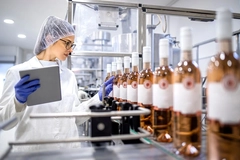
Scientists in Israel have developed a “living biosensor” using bacteria that can help detect early warning signs for wine spoilage. The innovation is said to offer a simpler, lower-cost alternative to lab testing while bolstering quality control in fermentation-based industries.
The “glow in the dark” system lights up when it detects acetic acid — the main chemical signal indicating that wine spoilage has begun. The biosensor is engineered in Escherichia coli and uses a natural bacterial regulator called YwbIR from Bacillus subtilis.
The amount of light emitted is directly related to acetic acid concentration, allowing manufacturers to determine how much acetic acid is present in the wine.
“This system allows us to detect acetic acid in real time, without complicated equipment or sample processing,” says Dr. Yael Helman, author of the study conducted at The Hebrew University of Jerusalem.
The system offers advantages over electronic or optical sensors, such as reliability even in high-alcohol environments. During the study, it accurately worked in wines containing up to 14.5% alcohol — a condition that typically interferes with conventional detection systems.
The findings, published in Microbial Biotechnology, shed light on how timely intervention before wine spoilage starts can improve quality assurance in fermentation-driven F&B production. The study received funding from the Israel Innovation Authority, Kamin.
Overcoming traditional method challenges
Measuring acetic acid is important in wine spoilage detection because the compound’s buildup imparts a vinegar-like smell and sour flavors in the drink. Once acetic acid levels rise, the fermentation process can “stall and the wine may become undrinkable,” explain the researchers.
Conventional methods of measuring acetic acid rely on laboratory techniques, such as gas chromatography and liquid chromatography, which are expensive, slow, and require liquid samples. They make real-time monitoring of fermentation and timely reaction to spoilage difficult for wineries, notes the study.
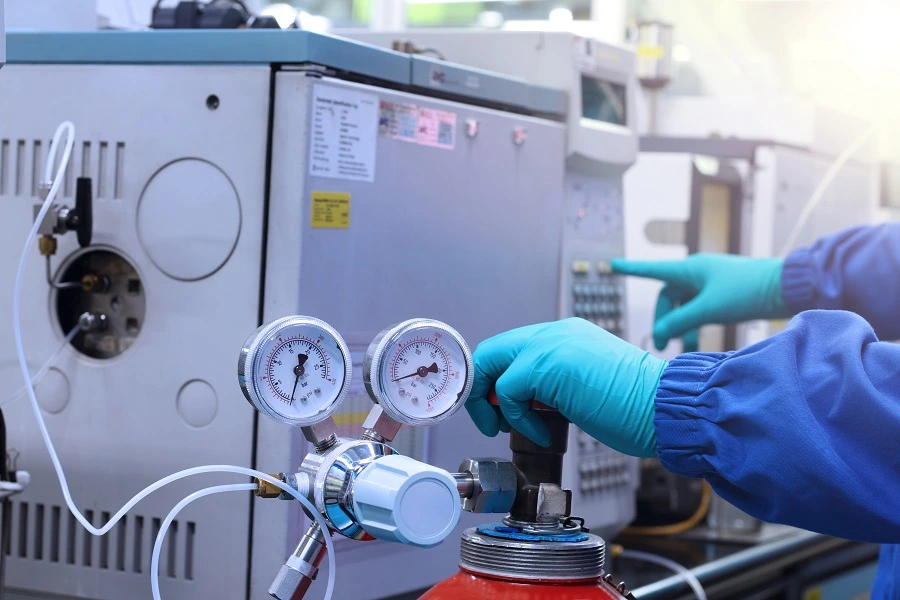 The biosensor offers benefits over conventional methods for measuring acetic acid like gas chromatography, which are expensive and slow.The living biosensor helps manufacturers overcome these challenges by showing a “strong and linear response” to acetic acid levels between zero and one gram per liter — a range the scientists claim is critical for winemakers. Spoilage usually starts when levels reach approximately 0.7 grams per liter.
“At these spoilage-relevant concentrations, the signal increased by five to eight times, providing a clear warning long before the wine becomes undrinkable,” note the authors.
A significant highlight of the study is that the sensor works “not only in liquid, but also in the air above the wine,” meaning it can detect volatile acetic acid in the headspace of a wine bottle or fermentation tank without opening it.
Beyond wine spoilage
Besides wine making, the researchers anticipate the technology to have much wider applications since acetic acid is an important indicator in many fermentation-based industries, such as food production and biofuels.
“It opens the door to affordable, on-site monitoring of fermentation quality and, in the future, may even support medical diagnostics based on volatile biomarkers,” says Helman.
Looking ahead, the team plans to focus on optimizing sensor performance and expanding its applicability to additional bioprocesses and diagnostic platforms.