

Carbon dioxide supply shortage threatens Europe’s beer and beverage sectors


Key takeaways
- CO2 shortages are tightening due to reduced ammonia and fertilizer production linked to high natural gas prices and plant shutdowns.
- Beer and beverage production is directly exposed, with risks to carbonation, packaging, distribution, and pricing.
- Geopolitical tensions, including Middle East shipping routes, and energy volatility could prolong supply disruptions and trigger wider food system impacts.
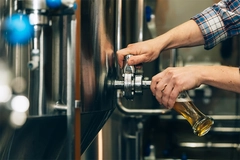
Carbon dioxide supply is tightening across parts of Europe and the UK’s beer and drinks industry, driven by reduced output from ammonia and fertilizer plants that produce CO₂ as a byproduct. The constraint is feeding through into carbonation, packaging, and dispensing operations across breweries and soft drinks manufacturers.
The squeeze is primarily linked to higher natural gas costs and intermittent shutdowns or reduced production at fertilizer facilities. Since CO₂ is not produced independently at scale for the F&B industry, availability is directly tied to industrial ammonia output.
Currently in the UK, CO₂ supply has been reduced by the closure of several plants over the last three years. In recent weeks, the UK government has supported the restart of the Ensus plant in Teesside to help stabilize domestic CO₂ supplies for food and drink producers.
The ongoing volatility in global energy markets, alongside geopolitical tensions affecting liquefied natural gas and oil flows — particularly risks around Middle East shipping routes like the Strait of Hormuz — has added further pressure to gas pricing and fertilizer economics, increasing uncertainty in CO₂ supply chains.
Beer and drinks sectors exposed
Carbon dioxide plays a critical role in the beer and broader beverages industry, underpinning product quality and production efficiency. It is essential for carbonation, delivering the fizz, mouthfeel, and sensory profile expected in beer, soft drinks, and sparkling water.
In brewing, CO₂ is used during fermentation and often captured and reused or reintroduced during packaging to ensure consistent carbonation. It also helps protect against oxidation by displacing oxygen in tanks and packaging, extending shelf life, and maintaining flavor stability. Geopolitical tensions and CO₂ supply disruptions are pressuring the UK’s beverage sector, risking beer shortages and price volatility ahead of the FIFA World Cup.
CO₂ is also widely used in dispensing systems to push beer from kegs and ensure controlled pouring. As a result, CO₂ availability remains a key operational consideration for manufacturers, with supply disruptions having the potential to impact production schedules and distribution across the drinks sector, and lead to beer and drinks shortages.
“Given the potential impact of a shortage on essential UK sectors, including healthcare, nuclear and food and drink production, the government has taken the decision to back the restart of activity at Ensus to safeguard critical national infrastructure and maintain a resilient supply of CO₂,” says a UK Department for Business and Trade statement.
Concerns over FIFA World Cup supplies
The timing is also notable for the brewing and soft drinks sector specifically, as producers move into a period of higher seasonal demand, increasing reliance on stable CO₂ flows for carbonation, keg dispensing, and packaging operations.
With supply still largely dependent on ammonia plant output, any short-term reduction in industrial activity is translating quickly into tighter allocation and more volatile spot availability across beverage supply contracts.
Rising energy costs and supply chain disruptions fuelled by the US-Iran conflict and disruption in the Middle East are increasing the risk of beer shortages and price volatility in the UK ahead of the a major sporting event in a few weeks time, notes Beroe, a data and intelligence platform providing supply chain and market analytics for the F&B industry.
These overlapping constraints are creating a multi-layered supply shock for brewers, with implications for availability, pricing, and broader food systems in the months ahead, sparking concerns over summer beer and drinks supplies, particularly in light of the FIFA World Cup 2026 in June and July.
“There is a significant risk to UK beer supply driven by constrained CO₂ production, a byproduct of fertilizer manufacturing. At TTF gas prices above ~€60/MWh, marginal ammonia capacity becomes uneconomic, directly limiting food-grade CO₂ output. Beer is exposed through this second-order linkage, which remains under-reflected in current price forecasts,” says Amy Elizabeth Abraham, associate director of research services and content development at Beroe.
“Historically, UK buyers and policymakers have taken a reactive approach to CO₂ shortages, often triggered by ammonia plant outages, energy price spikes, or geopolitical disruptions. The UK lacks dedicated production and remains heavily reliant on imports.” 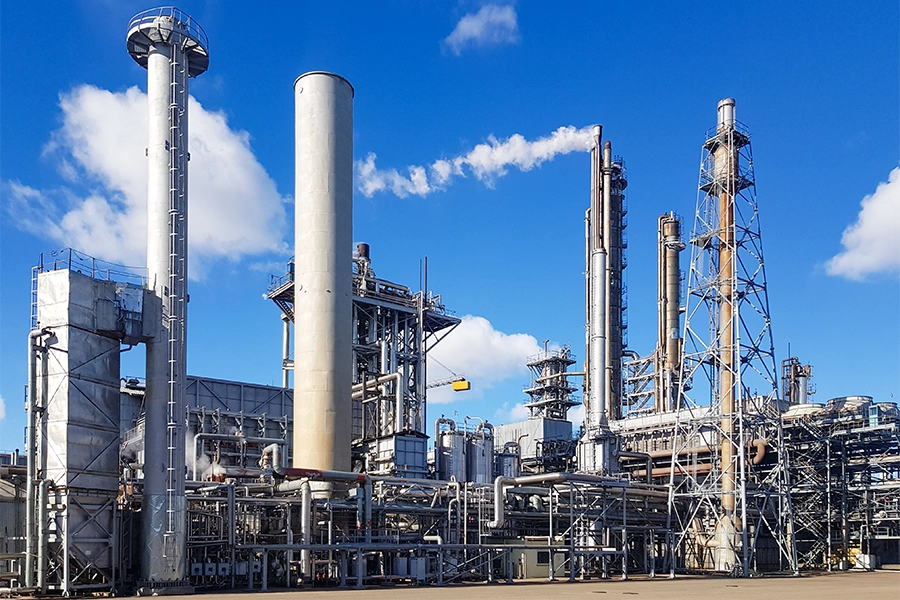 Europe’s beer and beverage industries face a CO₂ crisis, as ammonia plant shutdowns and rising energy costs threaten production and pricing stability.
Previous CO₂ shortages
In the past, F&B manufacturers have faced rapid tightening in supply as CO₂ availability fell sharply across key markets, forcing rationing, price spikes, and temporary operational adjustments in brewing, soft drinks, and meat processing.
Carbon dioxide disruptions in 2018 showed that a single facility outage can remove a significant share of national capacity, leading to beer and drink disruptions when European CO₂ production sites closed.
Similar pressure points re-emerged in 2022–2023 during the energy crisis, when elevated natural gas prices again led to reduced ammonia production across parts of Europe, highlighting the structural vulnerability of relying on fertilizer-linked CO₂ supply rather than dedicated production capacity.
Bottlenecks beyond the beer industry?
Abraham at Beroe explains how the Hormuz disruption directly affects the beer industry.
“Most forecasts treat a Hormuz disruption as a single event with a defined recovery point, typically when shipping resumes. In reality, the beer industry faces staggered timelines — shipping may normalize within weeks, CO₂ supply can take 2–4 months to recover after ammonia plants restart, and pricing can remain elevated for up to six months.”
“Brewers are also unlikely to receive full CO₂ allocations immediately, as priority sectors, such as healthcare, are restocked first.”
The bottlenecks expected in the beer industry are not the only impact of the CO₂ shortages, with Abraham warning that there could be additional shortages across sectors.
“CO₂ is essential for poultry and pork processing, where supply buffers are minimal, raising the risk of disruption. Products like salads, ready meals, and fresh fish rely on CO₂/N₂ packaging to extend shelf life. These fresh packaged foods will face shorter shelf lives, falling from seven to ten days to two to three days, leading to higher waste.”
“Lower fertilizer use is expected to reduce crop yields, pushing up prices for bread and flour. For dairy and cold chain products, CO₂ is used in dry ice for transport, and higher feed costs increase pressure upstream. This is likely to increase prices for milk, butter, and cheese in the upcoming quarters. Aerated drinks, which rely heavily on CO₂ and have limited buffers, are likely to show early signs of stress.”