



Protein pivot? How consumer and climate demands are reshaping formulation strategies

Key takeaways
- Protein innovation shifts toward scalable, familiar plant sources that meet taste, nutrition, and sustainability demands.
- Next-generation plant proteins are addressing long-standing challenges around flavor, functionality, and clean labels.
- Climate pressure, food security, and rising protein demand reshape F&B formulation strategies.
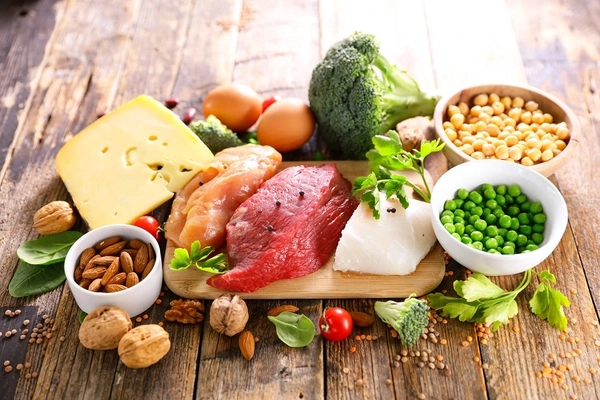
Protein innovators in F&B are taking a more pragmatic approach to product development as the industry grapples with growing protein density and taste demands, and climate pressures. Manufacturers are moving beyond novel solutions and toward scalable protein sources that meet consumer expectations and align with existing supply chains.
Innova Market Insights has identified “Powerhouse Protein” as the top industry trend this year, with nearly 60% of global F&B consumers reporting that they actively incorporate more protein into their diets. Alternative protein launches worldwide continue to grow each year, with a 10% CAGR in total alternative proteins from 2020 to 2024, according to the market researcher.
Plant-based protein company Burcon NutraScience produces proteins from pea, canola (rapeseed), sunflower, hemp, and fava bean for “clean taste profiles, light color, and excellent functionality,” enabling manufacturers to create appetizing food and beverages.

Food Ingredients First speaks with Martin Schweizer, VP of technical development at the company, to explore how new protein-processing technologies are changing formulation strategies across F&B and what this could mean for the evolving protein mix.
Schweizer highlights that plant proteins derived from traditional agricultural sources are the “alternative proteins” most favored by consumers because they come from familiar, traditional agriculture, and consumers feel more comfortable with regular food sources.
“Now that we have next-generation plant proteins from these sources, developers can produce products that will deliver the taste consumers expect from their foods and beverages. These plant proteins could fuel the plant-based revolution’s next upwave,” he says.
Overcoming the taste challenge
Schweizer points to the “disappointing taste” of early-generation plant proteins as a significant consumer concern over the last few years. This dissatisfaction includes vegetable notes often perceived as off-flavor, and clean label challenges due to the use of masking agents to cover the “less-than-desirable” taste, aroma, or mouthfeel.
“The next generation of plant proteins can help solve these challenges for product developers. Burcon’s portfolio of plant proteins offers these solutions for taste and textural challenges.”
Ensuring climate-friendly products don’t compromise on taste and nutrition is also a challenge for formulators. Burcon is addressing this concern with its proprietary extraction technology, which produces pure, highly functional, and neutral-tasting plant proteins.
“The differentiator is Burcon’s patented filtration technologies that enable our protein ingredients to be high-purity 90%+ in protein content, resulting in a highly pure protein that has neutral flavor, aromas, and its natural functionality intact,” explains Schweizer.
The proteins are upcycled from the meal by-product (residue left after oil is removed from oilseeds) to support climate-friendly F&B products.
 Developing climate-friendly products that don’t compromise on taste or nutrition is one of the biggest challenges facing the global F&B industry, says Schweizer.
Advancing protein innovation
Burcon recently expanded its portfolio of plant proteins with the launch of three high-purity ingredients — canola, sunflower, and fava bean proteins.
Among its offerings is Peazazz C, a pea protein suited for alt-dairy products such as milk, yogurt, cheese, cream cheese, and nutritional beverages. Puratein C, Burcon’s canola protein, is a “complete protein” ingredient that can be used in beverages, dairy alternatives, baked goods, and frozen desserts.
The company has also introduced Solatein, a sunflower protein with a clean flavor, an off-white color, and “strong performance” in alt-dairy formulations. It is available for customer evaluation, with commercial volumes expected soon.
“In a recent study by a university researcher, Burcon’s Peazazz C pea protein and Solatein sunflower protein were shown to significantly outperform competitor pea proteins in plant-based cheese applications,” says Schweizer.
The study compared plant-based cheese made from Burcon’s Peazazz C, Solatein, and competitor pea proteins. Burcon’s pea and sunflower proteins were found to have better performance than competitor proteins on “cheese hardness, shred efficacy, and melting and stretch attributes.”
Riding the GLP-1 wave
The rise in popularity of GLP-1 medications is a recent trend that F&B companies are focusing on to support the associated protein demands.
“Consumers — especially those using GLP-1 weight loss medications — are seeking nutrient-dense foods that support their lifestyle and dietary goals. Blending plant-based proteins to combine with and augment the nutritional profile of animal proteins could help meet this growing demand,” Schweizer notes.
“Burcon’s Puratein C canola protein is comparable in nutrition to dairy protein, with a Protein Digestibility Corrected Amino Acid Score score of one. Our canola protein is a complete plant-based protein with all the essential amino acids, particularly the sulfur-containing amino acids, which complement other plant proteins.”
The ingredient is also said to be comparable to the protein quality of eggs and meat, which Schweizer says allows manufacturers to fortify F&B with extra protein along with good taste.
“Added protein is an excellent front-of-pack claim that can attract the consumer to make the purchase and try a blended plant-dairy product or a fully plant-based product,” he says.
 For IFT 2025, Burcon developed a tasty pea and sunflower protein café latte cold beverage containing 10g of high-purity protein per standard serving (Image credit: Burcon NutraScience).
Can traditional and new proteins co-exist?
The demand for protein is expected to grow as the global population rises, potentially reaching 10 billion by 2050.
“Feeding the extra two billion consumers in an environmentally sustainable way will require a large expansion of plant-based protein products to augment animal protein sources,” says Schweizer.
He describes traditional protein sources, such as animal protein, as a “continuous strain” on the planet’s resources. Plant proteins are expected to play an increasingly significant role in addressing global food security, he tells us.
“The future of protein will be defined by choice, balance, and innovation, and new environmentally friendly sources such as plant proteins are desperately needed to assist in dealing with climate change and food security. With a growing global population, there will be plenty of room for both traditional animal sources and new eco-friendly plant proteins to feed the world.”
“Looking to the future, the world needs more sources of quality, pleasant-tasting plant proteins to overcome any consumer reluctance that has come from the off-tasting older generation plant proteins.”
Schweizer also expects egg replacement and methylcellulose substitution — two of the food industry’s longstanding problems — to come more into focus.
“Solving these challenges, and improving plant-based cheese, through plant protein innovation could be three key elements of the ‘Holy Grail’ that could propel the next wave of the plant-based revolution.”