



Barry Callebaut earnings show chocolate volumes fall despite cocoa price relief

Key takeaways
- Barry Callebaut reports a 9.9% group volume decline in Q1 fiscal 2025/26, with Global Chocolate down 6.8% and Global Cocoa falling 22%.
- Cocoa bean prices dropped 16% year-on-year, yet consumer demand remains soft as the industry navigates post-crisis behavioral changes.
- The company is accelerating cocoa-free innovation, with around 600 cacao coating R&D projects underway and ChoViva’s international rollout progressing.
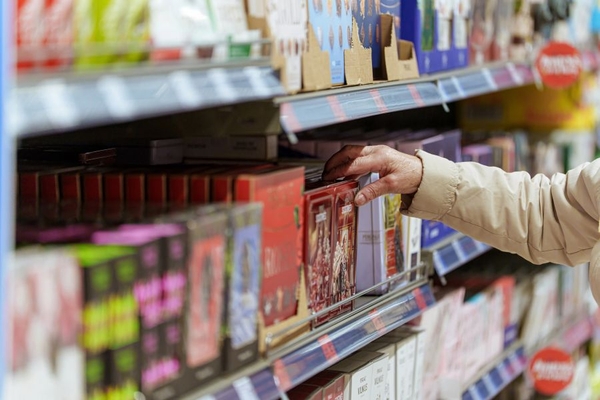
Barry Callebaut’s first-quarter results reveal the chocolate industry is still struggling to find its footing after last year’s cocoa price crisis. Despite bean prices falling 16% year-on-year, consumer demand and customer purchasing behavior remain subdued — suggesting the damage from 2024’s volatility may be more structural than cyclical.
The world’s largest cocoa and chocolate manufacturer posted a 9.9% decline in group sales volume for Q1 fiscal 2025/26, with Global Chocolate down 6.8% and Global Cocoa falling 22%. Sales revenue rose 8.9% in local currencies to CHF 3.7 billion (US$4.2 billion), driven by higher year-on-year cocoa pricing passed through to customers. But the company notes that pricing is now stabilizing as bean costs ease.

“As anticipated, the first quarter of our fiscal year began softly,” says Peter Vanneste, CFO of Barry Callebaut. “Volumes in the global chocolate confectionery market deteriorated sequentially, as customers adjusted their behaviors and consumers temporarily reacted to higher prices.”
Cocoa bean prices averaged 16% lower than the prior-year period, closing Q1 at £4,069 (US$5,150) per metric ton on the London terminal market. Yet the anticipated rebound in chocolate consumption has yet to materialize.
Divergence in regional performance
Asia Pacific, the Middle East, and Africa emerged as the sole growth region, posting a 0.6% volume increase. Barry Callebaut attributes the gains to improved demand in China, market share growth in India, and new business secured in Australia. These were partly offset by market pressure in Japan and South Korea.
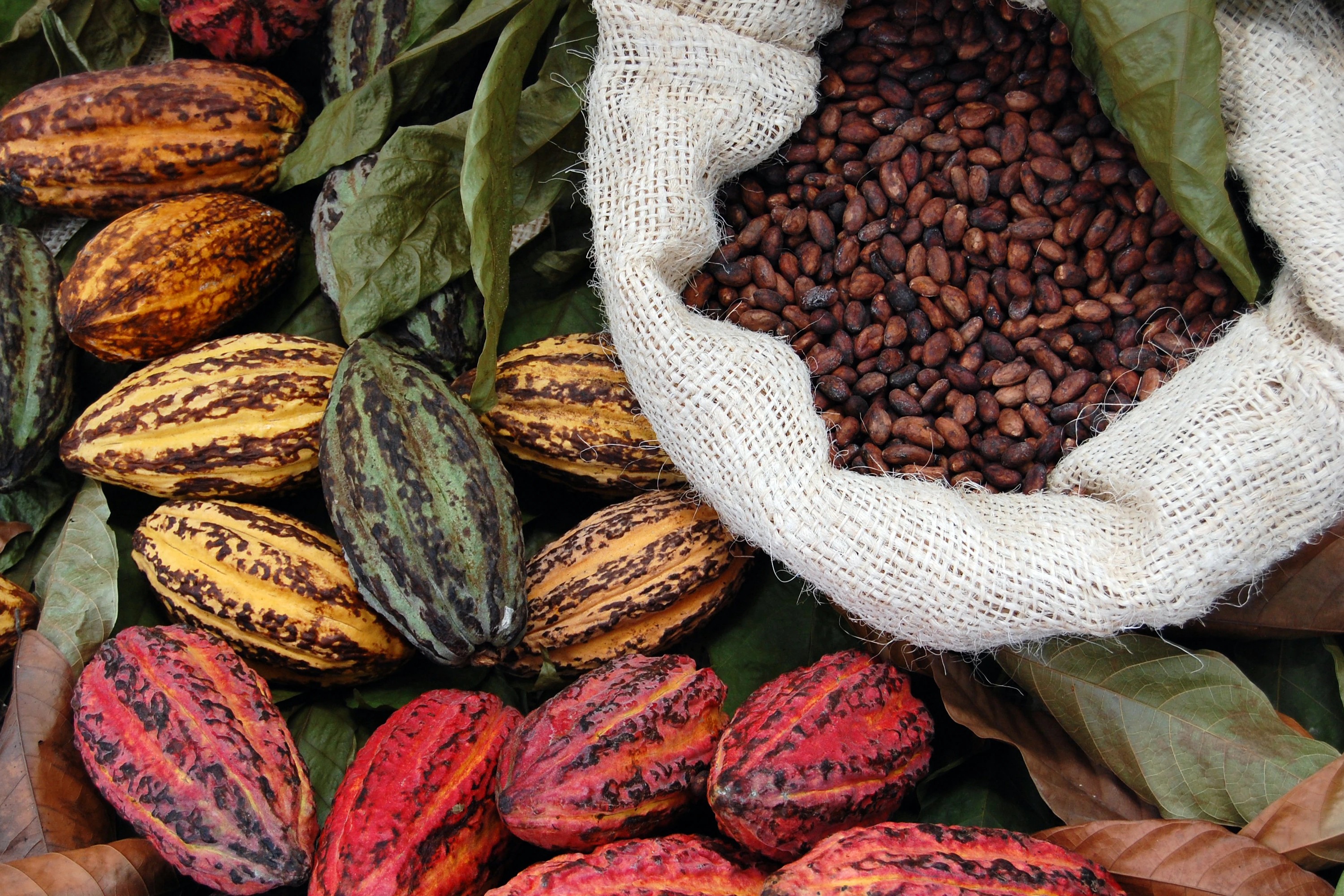 Cocoa prices have undergone historic volatility over the past year.North America recorded the steepest decline at 14%, impacted by a temporary production suspension at the company’s St. Hyacinthe plant in Canada due to a technical malfunction. The issue has since been resolved. Western Europe fell 5.2% as higher prices softened demand and influenced customer purchasing decisions.
Latin America declined 1.4%, with strong Gourmet momentum offset by challenges among large food manufacturers navigating elevated input costs. Central and Eastern Europe dropped 2.7%, though local accounts showed solid growth, particularly in Türkiye.
Barry Callebaut’s innovation pipeline
Barry Callebaut is leaning heavily into cocoa alternatives and cacao coatings as a hedge against future volatility. The company reports around 600 R&D projects underway in cacao coatings — also known as compound chocolate — which showed flat growth in Q1 but strong momentum in premium “super compound” products.
The international rollout of ChoViva, a chocolate alternative made without cocoa through a partnership with Planet A Foods, is also progressing. The company says it is aligning local and global partnerships, production, and distribution strategies for a scalable launch beyond Europe.
“Our strategic priorities remain clear: deleveraging to strengthen our financial position, preparing the company for renewed sustainable growth through best-in-class customer experience and innovation, and decoupling from market volatility,” Barry Callebaut says.
The push into alternatives comes as the broader industry recalibrates following 2024’s unprecedented cocoa price swings. As Food Ingredients First reported in December 2025, major brands including Nestlé and Pladis have reformulated products to reduce cocoa content — changes that appear permanent despite the subsequent price correction.
Consumer hesitation persists
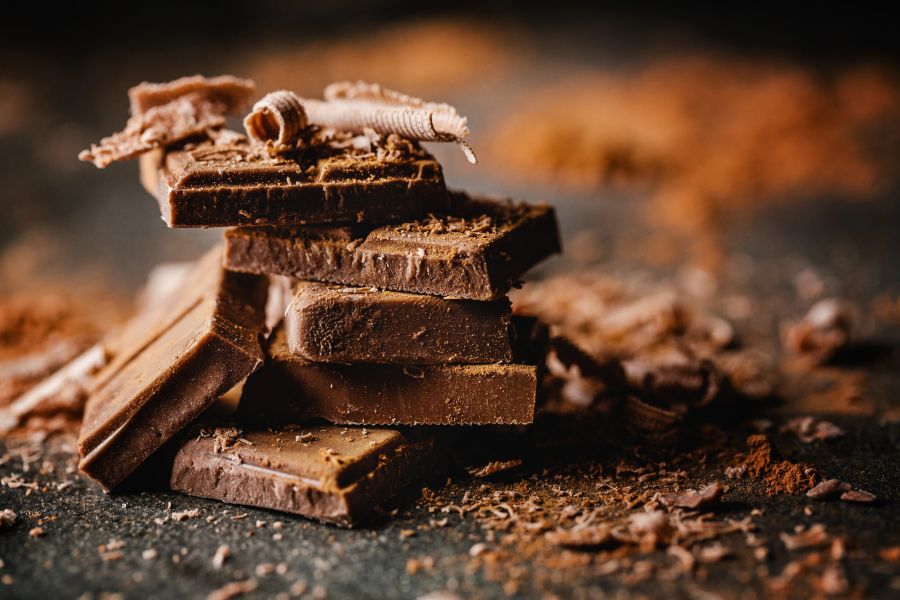 Though chocolate volumes are declining, research suggests consumers aren’t intentionally cutting back — and could return if prices stabilize.Innova Market Insights data underscores the challenge facing chocolate manufacturers. The global chocolate confectionery market continues to grow in value terms but decline in volume — a pattern of price-driven revenue masking weakening consumption.
In the US, the largest chocolate market by value, only a small share of consumers say they are intentionally eating less chocolate, according to Innova. The research suggests that if prices stabilize, consumption could recover.
Outlook and leadership transition
Barry Callebaut is maintaining its fiscal 2025/26 guidance, projecting a mid-single-digit decline in group volumes with improvements expected in the second half. The company anticipates low to mid-single-digit recurring EBIT growth in local currencies and double-digit growth in recurring profit before tax.
The company is prioritizing debt reduction, aiming to bring its net debt below 3.5 times recurring EBITDA. The guidance assumes a working cocoa bean price of around £5,000 (US$6,300).
The company also announced that Hein Schumacher will take over as CEO on January 26, bringing new leadership as Barry Callebaut navigates what it describes as a transition from crisis management to growth preparation.
“Encouragingly, cocoa bean prices have reduced further since the start of the year, and the crop is developing in line with our expectations. This is a positive signal for customer confidence and market behavior into the second half of the year,” says company CFO Vanneste.