

Amazon abandons cashierless grocery experiment as Whole Foods expands


Key takeaways
- Amazon is closing all Amazon Go and Amazon Fresh stores, admitting it hasn’t found the right model for large-scale expansion of its own-brand grocery retail.
- The company is doubling down on Whole Foods, planning 100+ new stores after the chain posted 40% sales growth since the 2017 acquisition.
- Online grocery is now Amazon’s priority play, with same-day perishable delivery up 40-fold since January 2025.
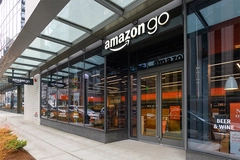
Amazon is closing all of its Amazon Go and Amazon Fresh physical stores as the e-commerce giant shifts investment toward Whole Foods Market expansion and online grocery delivery. The company plans to open more than 100 new Whole Foods stores over the coming years, while converting some of the shuttered locations into Whole Foods outlets.
The move marks a significant strategic pivot for one of the US’ top three grocers. Amazon says it hasn’t succeeded in creating “a truly distinctive customer experience with the right economic model needed for large-scale expansion” with its Amazon-branded stores.
“We’ve made the difficult decision to close our Amazon Go and Amazon Fresh physical stores, converting various locations into Whole Foods Market stores,” the company states in an announcement. Customers will still be able to shop at Amazon Fresh online in available areas.
The closures signal an end to Amazon’s high-profile experiment with cashierless convenience stores, which launched in 2018. The Just Walk Out technology developed at those locations will continue, however, now deployed across more than 360 third-party sites in five countries, from hospital cafeterias to sports arenas. Amazon is also rolling the tech out to its own fulfillment center breakrooms.
Whole Foods sees continued growth
While the Amazon-branded stores struggled to find their footing, Whole Foods Market has seen over 40% sales growth since Amazon acquired it in 2017. The chain now operates in more than 550 locations.
Amazon is also expanding its smaller-format Whole Foods Market Daily Shop concept, which offers grab-and-go meals, coffee, and everyday essentials. Five locations are currently operating, with five more planned by the end of 2026. With a 40% sales growth since 2017, Whole Foods is set to expand by 100+ new stores.
Online delivery takes center stage
The company is betting heavily on digital grocery. Amazon says it now offers fast grocery delivery in more than 5,000 US cities and towns, with perishable grocery sales through its Same-Day Delivery service growing 40-fold since January 2025.
Fresh food now makes up nine of the top ten most-ordered items in areas where perishables are available for same-day delivery, according to the company. Amazon is testing an ultra-fast “Amazon Now” option in several cities, delivering thousands of essential items — including fresh food — in around 30 minutes.
The company hasn’t abandoned physical retail ambitions entirely. Amazon says it’s exploring a new supercenter concept designed to offer its broad selection across fresh groceries, household essentials, and general merchandise.
It’s also testing an “Amazon Grocery” format alongside Whole Foods in Chicago and a “store within a store” experience at a Pennsylvania Whole Foods location.
Affected employees are being offered roles elsewhere in Amazon’s operations network, the company says.