



Amai Proteins expands Asia footprint with Singapore clearance for Sweelin

Key takeaways
- Singapore approval expands Amai Proteins’ regulatory footprint in Asia, following FDA GRAS clearance in the US.
- Sweelin is positioned as a precision fermentation-derived sweet protein enabling up to 70% sugar reduction, while maintaining taste, functionality, and scalability.
- Rising demand for reduced-sugar and metabolic health-focused products, including GLP-1-influenced consumption trends, is accelerating interest in next-generation sweetening solutions.

As global F&B manufacturers intensify efforts to reduce sugar without compromising taste, Amai Proteins has secured a new regulatory milestone for its precision fermentation-derived sweet protein, Sweelin, in Singapore. The approval further expands the company’s presence in key international markets amid growing demand for next-generation sweetening solutions.
Sweelin is a monellin-based sweet protein inspired by the serendipity berry and is, on average, 3,000 times sweeter than sugar on a weight basis, according to the company. It is produced through precision fermentation and used in a wide variety of F&B applications, including confectionery, chewing gum, condiments, and dietary supplements.
It can achieve up to 70% sugar reduction while maintaining the taste, mouthfeel, affordability, and formulation performance that consumers expect, without compromising on sustainability goals or production scalability.

Singapore at the forefront of food innovation
Singapore’s approval carries strategic weight for Amai Proteins, given the country’s position as a global food innovation hub and its long-term focus on food security through the “30 by 30” vision, an initiative aimed at producing 30% of Singapore’s nutritional needs locally by 2030.
As part of this strategy, Singapore has actively encouraged investment in agri-food technology, including precision fermentation, alternative proteins, and other advanced food production methods designed to reduce reliance on imports and strengthen supply resilience.
The Singapore Food Agency’s decision also underscores the region’s growing openness to novel ingredient technologies aimed at improving nutrition and sustainability.
Regulatory market momentum
The clearance closely follows Sweelin’s FDA GRAS approval in the US, granted in February, strengthening Amai Proteins’ regulatory foothold across two major food markets.
The back-to-back approvals also reflect rising consumer interest in cleaner label sweetening alternatives that can support sugar reduction without sacrificing taste or product performance.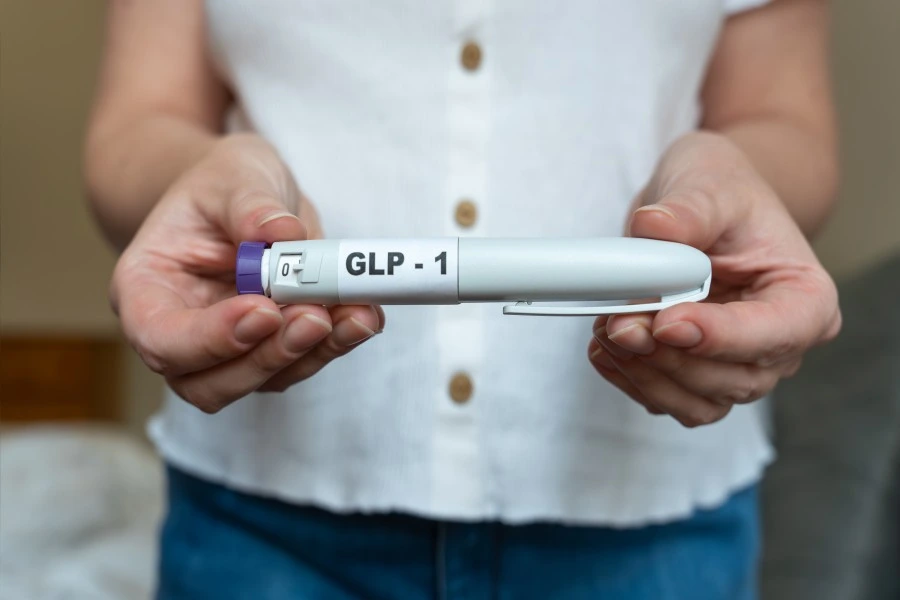 Growing demand for lower-sugar, metabolic health-focused products and GLP-1-driven eating trends is boosting interest in next-generation sweeteners.
Speaking with Food Ingredients First, Amai's CEO, Dr. Amir Guttman, explains that the SFA approval is not just a regulatory milestone for the company, it’s a commercial inflection point. "It validates our platform with one of the world’s most respected food innovation regulators, unlocks deeper engagement with multinational food companies, and establishes Singapore as a strategic launchpad for broader APAC commercialization," he tells us.
"What makes Singapore especially important for us is the combination of strong regulatory leadership, world-class research infrastructure, and openness to novel food technologies. Singapore was among the first countries to actively create a supportive framework for next-generation food solutions, which makes it an ideal environment for companies like Amai Proteins and products such as sweelin."
Dr. Guttman says that Sweelin addresses several priorities that are central to Singapore’s food strategy: reducing dependence on sugar, enabling healthier nutrition, and supporting more sustainable food production with a significantly lower environmental footprint compared to traditional sugar. At the same time, it can help food manufacturers reformulate products without compromising taste, which is essential for broad consumer adoption.
"From a global rollout perspective, we see Singapore as much more than a local market. We view it as a strategic gateway to Asia and a showcase market for food innovation. The country’s ecosystem of multinational food companies, regulators, investors, and innovation partners makes it an excellent launchpad for regional collaborations and commercial expansion across Asia-Pacific."
"In many ways, Singapore serves as a model for how governments, science, and industry can work together to accelerate the future of food, and we believe Sweelin can contribute meaningfully to that vision."
Overcoming scientific and regulatory barriers
Dr. Yael Lifshitz, director of Clinical and Regulatory Affairs at Amai Proteins also discusses the key scientific and regulatory hurdles the company had to overcome to demonstrate that a precision fermentation-derived sweet protein like Sweelin is safe and suitable for mainstream food and beverage applications.
"The key scientific and regulatory hurdle was that Sweelin is a novel ingredient with no prior history of use in food, and therefore there is no existing safety dataset to draw upon. This meant building a comprehensive, purpose-built evidence package, including receptor binding studies to characterize interaction with the sweet taste receptor, establishing statistically powered exposure evidence through our internal expert sensory panel tasting, full toxicological studies, and clinical data from human trials to confirm safety and tolerability."
"The absence of a public history of consumption meant regulators required us to demonstrate safety proactively and comprehensively, rather than relying on any precedent."
Engineering Sweelin for industrial scale
One of the biggest challenges in developing Sweelin was achieving a clean sensory experience at industrial scale.
"Many alternative sweeteners suffer from drawbacks such as lingering aftertaste, bitterness, metallic notes, slow onset, or poor temporal profile. Our core focus was to design sweet proteins that deliver a clean taste while remaining highly stable and practical for real-world food manufacturing," says Dr. Guttman.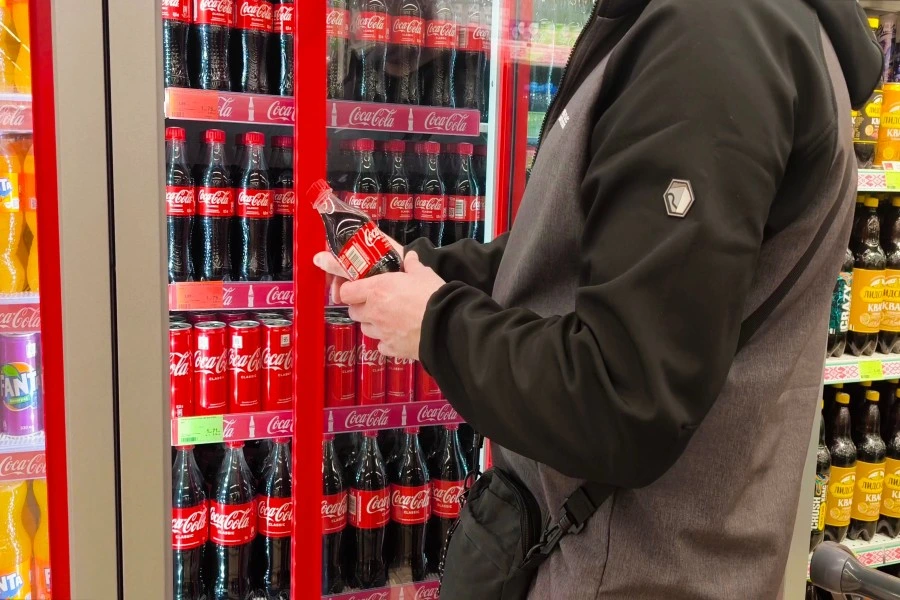 Stricter global regulations on sugar and public health initiatives, combined with shifting consumer preferences toward healthier diets, are driving faster demand for reduced-sugar innovation.
"A major breakthrough for us was improving the protein’s stability under demanding processing conditions. Food and beverage applications often require tolerance to heat, varying pH levels, and long shelf-life conditions. We designed Sweelin to remain functional and maintain sweetness across a broad range of manufacturing environments, which is critical for many F&B categories."
Another key challenge was scalability and consistency. "It is one thing to demonstrate functionality in the lab, but large-scale commercial adoption requires reliable production, cost efficiency, and batch-to-batch consistency. We invested heavily in computational protein design and precision fermentation optimization to ensure that Sweelin can be produced efficiently at industrial scale while maintaining quality and purity."
"Formulation flexibility was also extremely important. Food companies need ingredients that integrate smoothly into existing formulations and supply chains. We worked to ensure that Sweelin performs well in combination with other sweeteners and ingredients, allowing manufacturers to reduce sugar significantly while preserving taste, texture, and overall consumer experience," he says.
"Ultimately, the goal was not simply to create another sweetener, but to create a platform ingredient that food and beverage companies can realistically deploy across mass-market products without compromising on taste, stability, or manufacturability."
Dr. Guttman also stresses that large F&B companies move carefully when introducing new ingredients, especially in products consumed at mass scale. They require extensive validation around regulatory approval, supply reliability, sensory consistency, and consumer acceptance. "Building those partnerships and qualification processes takes time, but we are seeing growing urgency from brands seeking better sugar-reduction solutions that do not compromise taste," he says.
"In terms of category traction, we expect beverages to move particularly quickly. Sugar reduction remains a major challenge in soft drinks, flavored water, energy drinks, and ready-to-drink products, where consumers are highly sensitive to aftertaste. Sweelin’s clean taste profile is especially valuable there."
"We also see strong potential in supplements and functional nutrition, where manufacturers are actively looking for healthier sweetening systems that align with wellness-oriented positioning. Confectionery and dairy are highly attractive longer-term categories as well, although they often involve more complex formulation requirements related to texture and mouthfeel."
Shifting consumer demand
At the same time, demand for reduced-sugar innovation is accelerating amid increasing regulatory scrutiny around sugar reduction and public health initiatives globally. Consumer preferences are shifting toward healthier eating patterns, driven in part by growing awareness of metabolic health and the rise of GLP-1 therapies that are reshaping appetite and consumption habits.
Against this backdrop, sweet protein alternatives such as Sweelin are gaining attention from manufacturers seeking scalable solutions that can deliver sweetness and functionality without the drawbacks of traditional sugar or high-intensity sweeteners.



Upcoming webinars

2027 Food Safety Risks for Quality & Compliance Leaders
FoodChain ID

Formulating for function: Developing benefit-led beverages with natural colours, botanicals, and flavours
Givaudan Sense Colour

Let's reveal the grain potential: Innovate
Meurens Natural