

Tate & Lyle expands partnership with BioHarvest to drive sweetener innovation


Key takeaways
- Tate & Lyle and BioHarvest broaden their sweetener development program to multiple plant-based molecules, leveraging BioHarvest’s Botanical Synthesis platform for non-GMO, scalable ingredients.
- The partnership aims to provide complementary sweetening options that can be tailored to product-specific needs, balancing taste, cost, labeling, and sugar reduction goals.
- Supported by research and market insights, the collaboration strengthens Tate & Lyle’s pipeline of next-gen sweeteners that meet growing demand for healthier, great-tasting products.

Tate & Lyle, a global leader in ingredient solutions for healthier food and beverages, has announced an expansion of its collaboration with BioHarvest Sciences, extending their joint sweetener development program to multiple plant-based sweetener molecules.
The expanded collaboration builds on the initial 2024 agreement, reflecting strong technical progress and Tate & Lyle’s commitment to providing F&B manufacturers with a flexible toolkit of sweetening solutions tailored to diverse formulation needs.
“As we define what customers ultimately look for in next-generation sweeteners — sugar-like taste, solutions anchored in nature, reduced calories, and responsible use of resources — it is clear that several unmet needs in the market today are unlikely to be addressed with a single sweetener,” says Victoria Spadaro-Grant, chief science and innovation officer at Tate & Lyle.

Flexible, plant-based sweetening solutions
Tate & Lyle’s approach addresses evolving customer demands around taste, cost, and labeling by developing complementary sweetening options that can be used independently or in combination. This strategy allows for product-specific optimization while supporting sugar and calorie reduction objectives.
The collaboration leverages BioHarvest’s Botanical Synthesis platform, which enables the production of plant-based, non-GMO ingredients, reducing reliance on traditional agricultural extraction for rare or hard-to-source botanicals.
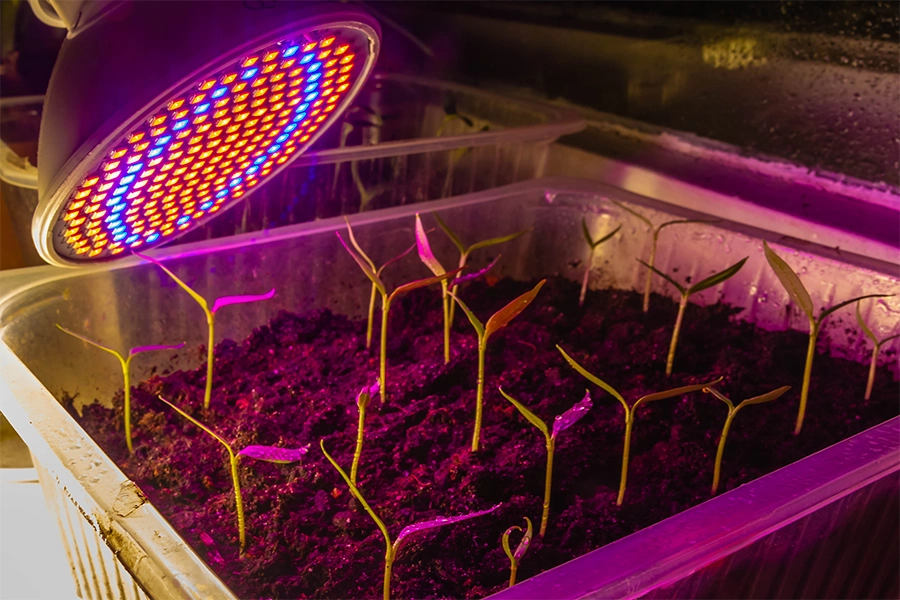 BioHarvest’s Botanical Synthesis platform enables scalable, plant-based sweeteners, reducing reliance on traditional agricultural extraction, while supporting new sugar and calorie reduction solutions.“Expanding the scope of our collaboration with BioHarvest reflects the technical progress achieved to date and aims to further broaden our toolbox of sweetening solutions,” adds Spadaro-Grant.
“The flexibility from this expanded partnership is critical as customers seek category-specific solutions that balance taste, cost, and labeling requirements, while supporting sugar and calorie reduction. This program strengthens our innovation pipeline in a disciplined and efficient way and reinforces our commitment to advancing the future of sweetness through differentiated, science-led solutions.”
Innovation to meet consumer and market needs
Zaki Rakib, CEO of BioHarvest Sciences, says that broadening the development program demonstrates confidence in the versatility of the Botanical Synthesis platform and in the progress delivered through the collaboration with Tate & Lyle.
“Together, we are enabling access to differentiated, plant-based sweetening solutions designed to support a range of sensory, application, and economic requirements,” he says.
Tate & Lyle has a long-standing heritage in sweetener innovation, including the discovery of sucralose in 1976, the commercialization of allulose in 2015, and high-purity bioconverted stevia Reb M in 2018. Today, its pipeline focuses on advancing sweetening solutions that deliver great taste, reduce sugar and calories, and align with broader consumer expectations around health and well-being.
A 2025 proprietary Tate & Lyle survey across seven global markets found that over half of respondents intended to reduce sugar consumption within the following 12 months. Consumer interest was particularly strong in sweeteners derived from fruits and plants, highlighting the critical role of sugar reduction in product development strategies.
With more than a decade of global research into consumer perceptions, Tate & Lyle integrates considerations, such as sensory performance, value creation, and label acceptance, into ingredient development from the outset — ensuring solutions meet both consumer expectations and commercial requirements.
Last week, Tate & Lyle revealed it is in discussions with US rival Ingredion regarding a potential takeover. The British food ingredients company says it has received multiple approaches from Ingredion to acquire its business, which it reportedly values at £2.74 billion (US$3.70 billion).



Upcoming webinars

Oat-Standing Ingredients - Showcasing Irish Grain Through Innovation
Tirlán Ingredients

2027 Food Safety Risks for Quality & Compliance Leaders
FoodChain ID

Formulating for function: Developing benefit-led beverages with natural colours, botanicals, and flavours
Givaudan Sense Colour