



Abolis launches MINE platform to streamline microbial and fermentation R&D


Key takeaways
- Abolis’ MINE platform combines genomic and multi-omics data to help ingredient developers make more targeted microbial R&D decisions.
- The platform aims to reduce trial-and-error by identifying promising microorganisms, process parameters, and hypotheses before extensive lab testing.
- Abolis positions the platform to support faster strain selection and scale up for fermentation-derived ingredients and biotics.
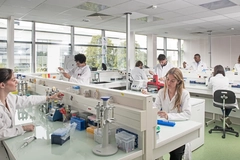 (Image credit: Abolis Biotechnologies).
French biotech firm Abolis Biotechnologies has launched a microbial intelligence platform, which it says can help food and nutrition manufacturers accelerate the development of fermentation-derived ingredients and reduce trial-and-error in R&D.
The Microbial INtelligence Explorer (MINE) platform combines genomic and multi-omics data with experimental and industrial insight to help companies make more targeted decisions across product innovation and scale up.
For ingredient developers, MINE helps R&D teams identify which microorganisms and process parameters are most promising before investing time and resources in extensive lab work and scale up.
Making microbial data more accessible
The core challenge the platform aims to address is the gap between generating large volumes of microbial data and knowing what to do with it in product development.

Microbial biotechnology companies struggle with integrating the various pieces of information and, “therefore, to know which signals matter and which hypotheses deserve further testing for product development,” says Sylvia Julien, general manager, MINE business unit at Abolis.
“MINE gives teams a clearer way to navigate that complexity, helping them focus experimental work on the questions most likely to move a program forward.”
MINE was developed through Microbiome Studio, a machine learning-enabled analytical platform created as part of the French government-supported Metapath industrial program, says Abolis.
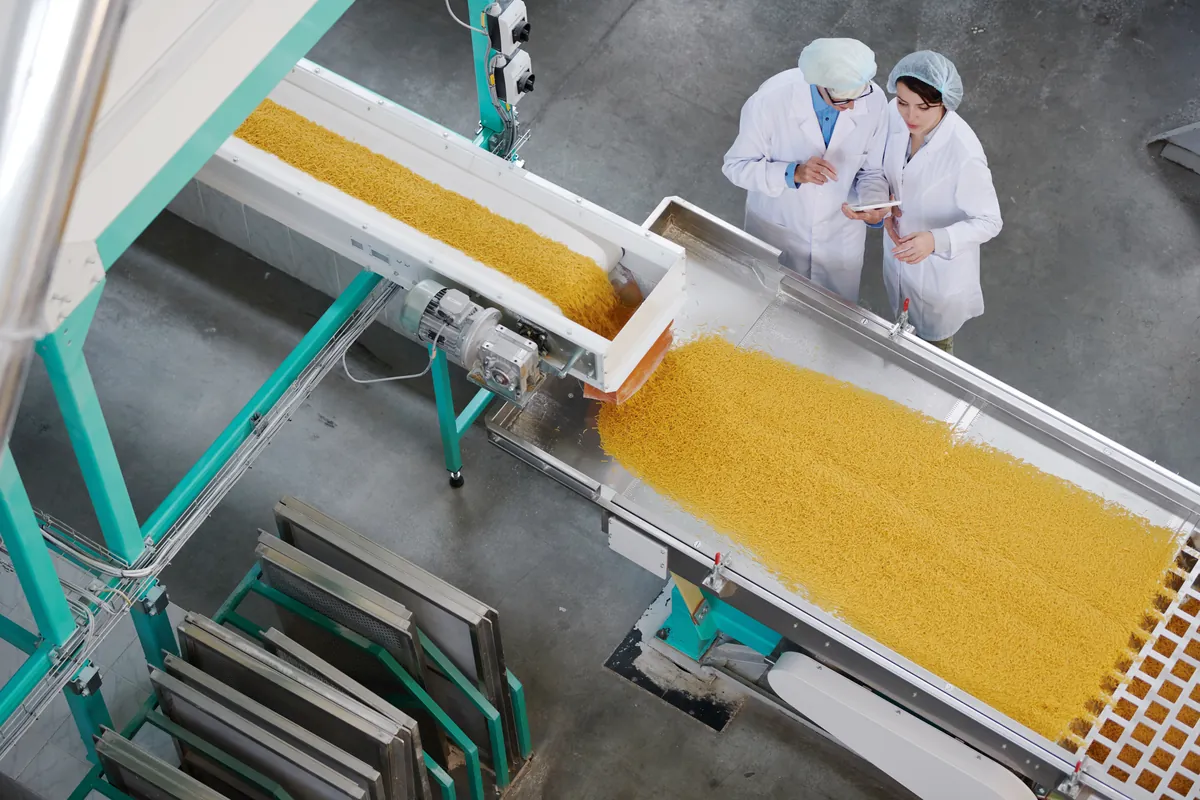 Data-driven microbial screening could help food manufacturers identify alternative production routes for existing molecules.Microbiome Studio was initially developed for Abolis’ own microbial biotechnology projects before being refined through collaborations with industrial partners. Later on, the technology evolved into MINE as a dedicated platform for external R&D and open-innovation teams.
With the microbial platform launch, Abolis says it is extending its “ideation-to-scale model” by connecting microbial intelligence with its capabilities in strain engineering, enzyme modeling, fermentation, bioprocess development, and scale up support.
Meanwhile, translating complex microbial datasets into actionable R&D decisions is receiving significant industry attention across various ingredients.
Food Ingredients First has previously reported on how AI can help untangle complex microbial data, with US researchers using AI and metagenomics to analyze raw milk microbiomes. The team used AI to identify microbial drivers associated with anomalies that traditional analytical approaches struggled to distinguish.
Corbion has also discussed combining AI with microbiological data to predict pathogen (Listeria) growth in ready-to-eat meat, seafood, and culinary products to replace lengthy trial-and-error R&D.
Ingredient and fermentation applications
Abolis positions MINE as a tool to support the development of new ingredients, biotics, fermentation-derived compounds, and other bio-based solutions.
Cyrille Pauthenier, co-founder and CEO of Abolis, says the MINE software release brings together the company’s accumulated expertise in microbial biotechnology, data, and industrial development within a single platform.
“It strengthens Abolis’ ability to support decisions before, during, and beyond experimentation, connecting biological evidence with the realities of validation, process development, and scale up. For our partners, that means a clearer route from microbial potential to an industrially relevant program.”
For food ingredient manufacturers, that could translate into faster strain selection, improved fermentation performance, and alternative production routes for existing molecules.
Last month, Sensient unveiled fermentation technologies aimed at improving culture yields and process efficiency, reflecting the wider industry push to optimize microbial production systems.
Tetra Pak’s recent launch of an industrial bioreactor for fermentation-derived ingredients similarly underscores the industry’s focus on improving process stability, repeatability, and scale up from pilot production to commercial manufacturing.



Upcoming webinars

Oat-Standing Ingredients - Showcasing Irish Grain Through Innovation
Tirlán Ingredients

2027 Food Safety Risks for Quality & Compliance Leaders
FoodChain ID

Formulating for function: Developing benefit-led beverages with natural colours, botanicals, and flavours
Givaudan Sense Colour