Functional confectionery: Beneo propels sugar-free candy innovation with Isomalt-based concepts

Key takeaways
- Beneo positions Isomalt as a supporting ingredient for sugar reduction in hard-boiled confectionery by replacing bulk sugar while delivering sugar-like taste, lower calories, and dental benefits.
- Isomalt’s low hygroscopicity and processing stability help manufacturers solve key hard-candy challenges, including stickiness, shelf life stability, and moisture uptake.
- Beneo sees growth potential in functional confectionery NPD, with concepts such as energy candies and coated gums tapping into better-for-you indulgence and “fibermaxxing” trends.
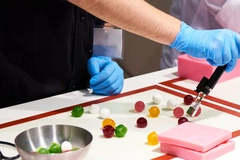
Beneo has unveiled sugar-free confectionery concepts to help manufacturers “reimagine” traditional sweet formats for modern consumer demands. The colorful innovations incorporate Isomalt — described as the only sugar replacer derived from natural sugar beet — in treats that are tooth-friendly, lower in calories, and visually vibrant.
Isomalt can help confectioners address the “stickiness” challenge in hard-boiled candy production. Its low hygroscopicity means it absorbs less moisture, supporting a longer shelf life. The ingredient’s processing properties also enable more precise multi-layered and filled candy designs, while its slow dissolution in the mouth extends the consumption experience.
The prototype sweets are showcased through the company’s “Sweets Box,” which contains drink-inspired candy concepts using Isomaltose that transform familiar beverage experiences into a convenient confectionery format.

These include a Yuzu & Matcha Liquid Filled Candy with a sugar-like taste and tea flavors without off-notes; a Caramel Coffee Candy with caffeine and low glycemic impact; and an Energy Drink Candy for gaming and focus moments.
The Germany-based functional ingredient supplier is also launching a dual-layer coated gum concept, which offers enhanced stability (due to Isomalt) and a cooling effect (due to Xylitol) in sugar-free chewing gums. Additionally, its Melting Tea Gummies concept with Palatinose (functional carbohydrate Isomaltulose) and chicory root fibers targets the “fibermaxxing” trend among younger consumers.
These sugar-free innovations come at a time when consumers are switching to better-for-you treats to meet their health goals. Confectionery launches globally grew 7% between October 2020 and September 2025, Innova Market Insights data suggests. Manufacturers are balancing indulgence with health through plant-based, sugar-free, and high-protein options.
Food Ingredients First unwraps the innovation potential of sugar-free confectionery with Klaudia Volmer, product manager for carbohydrates at Beneo, and discusses how Isomalt can support manufacturers in addressing formulation and shelf life challenges in various candy formats. We also explore how companies balance indulgence and production efficiency in sweets NPD while pleasing consumers’ taste buds.
What unique benefits does Isomalt offer in terms of sugar reduction compared with other sugar substitutes?
Volmer: Isomalt offers a combination of functionality and sensory performance that sets it apart from other sugar substitutes. It is the only sugar replacer derived from natural sugar beet, delivering a clean, sugar-like taste without the cooling effect often associated with most polyols and sugars. This allows it to enhance both warm flavor profiles, such as caramel, as well as fresh, fruity notes, without off notes.
Thanks to Isomalt’s optimal viscosity, colors also remain clearly defined rather than blending, allowing manufacturers to work with three to four distinct colors in a single product. The viscosity of the melt also supports more advanced product designs, such as filled candies, where it helps prevent leakage and enables larger liquid centers, even in smaller formats.
Importantly, Isomalt is more than just a sweetener. It acts as a bulk sugar replacer, providing structure, volume, and mouthfeel similar to sugar, which many high-intensity sweeteners cannot deliver. At the same time, it is sugar-free, tooth-friendly, and contains just 2 kcal/g — around half the calories of sugar.
 Klaudia Volmer: Isomalt helps manufacturers create sugar-free, low-GI candies for consumers seeking mindful indulgence without sharp sugar spikes.
Are consumers interested in sugar-free candies that also offer functional benefits, or is taste still the top priority?
Volmer: Consumers increasingly expect both functionality and enjoyment, but taste remains the decisive factor. In confectionery, even as demand grows for healthier options, products must still deliver a satisfying and familiar sensory experience to succeed. At the same time, interest in functional benefits is clearly rising. Energy support, for example, is a key area of focus, with more than half of consumers actively looking for solutions to support their mental and physical energy levels.
This is reflected in innovations such as energy gummies formulated with slow-release carbohydrates like Palatinose and added vitamins or fiber-enriched concepts that tap into growing awareness of gut health and trends such as “fibermaxxing.” Ultimately, the winning formulations are those that combine both elements.
How does Isomalt help reduce sugar while delivering the sweetness and mouthfeel of traditional hard candies?
Volmer: Isomalt enables sugar reduction by closely mimicking the physical and sensory properties of sugar, but with a superior processing performance. As a bulk sweetener, it delivers structure, viscosity, and mouthfeel comparable to sugar — something that high-intensity sweeteners cannot achieve on their own.
At the same time, its mild sweetness profile, at around 45–65% that of sucrose, allows for a balanced, sugar-like taste without the strong cooling effect often associated with polyols. This clean, neutral taste makes it particularly suitable for flavor-sensitive applications, including fruity or ‘warm’ flavors, as well as chocolate, and can be combined with high-intensity sweeteners where needed to reach the desired sweetness level.
Isomalt crystallizes slowly and uniformly, creating clear, stable, non-graining structures. This ensures consistent texture and enables the production of transparent or decorative candies with high visual appeal.
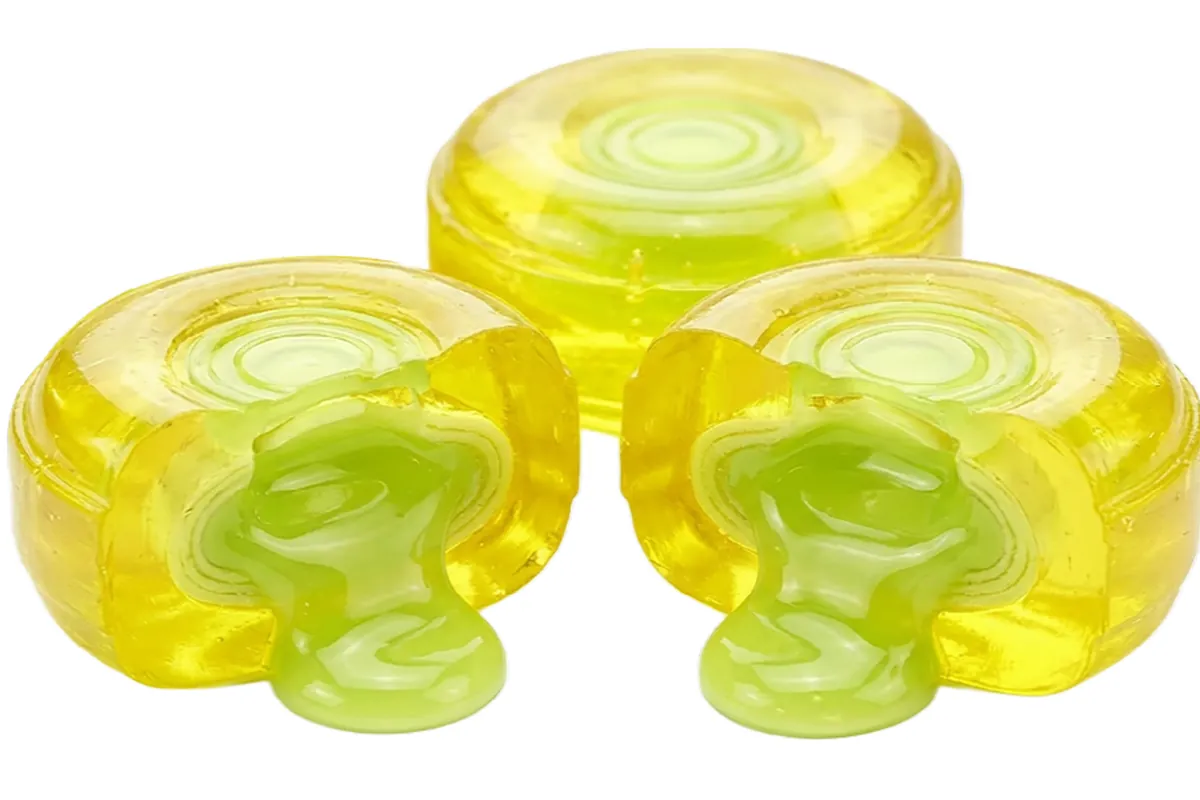 Beneo’s yuzu and matcha-filled candy offers low hygroscopicity and prevents stickiness (Image credit: Beneo).
Who is the primary target consumer for melting tea gummies, and what consumer insight drove the concept?
Volmer: The fiber-providing tea gummies are designed to appeal to consumers who are looking for better-for-you credentials from their confectionery. Tying in with the trend of “fibermaxxing,” this concept is particularly designed for younger audiences and Millennials who actively engage with emerging wellness and flavor trends.
It can be eaten directly as a gummy, but can also be added to hot water, where it transforms into a small tea infusion. This allows consumers to clearly observe the intended dissolving and melting effect, which helps bring the concept to life and reinforces its tea-inspired positioning. The flavor profile is inspired by Asian tea concepts and is designed to evoke a sense of calm, balance, and lightness.
Importantly, Palatinose supports the gentle flavor profile without masking the subtle tea and ginger notes. In gummy applications, the recrystallization of Palatinose is often considered a formulation challenge, but we intentionally leveraged this characteristic to create the desired functionality and consumer experience.
What was the biggest challenge in developing a gummy that dissolves in hot water?
Volmer: The key challenge lay in striking the right balance between product stability and the intended consumer experience. The gummy needed to remain firm, consistent, and flavor-stable throughout its shelf life, while also delivering a clear and appealing dissolving effect when added to hot water. Thanks to the specific ingredient combination and functionality of Palatinose, it was possible to maintain the integrity of the gummy during storage while enabling the desired melting and transformation in hot water.
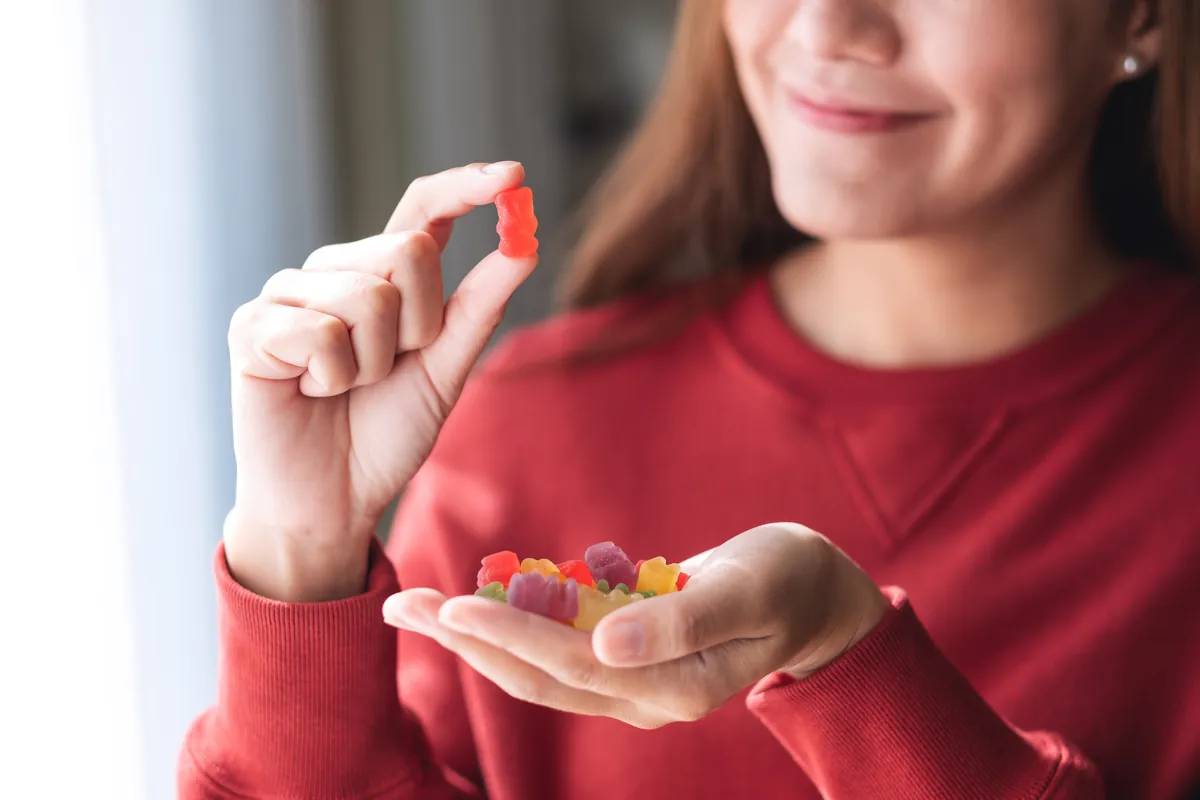 Taste remains critical, but consumers increasingly expect confectionery to offer added health or lifestyle benefits.
How does Beneo envision the future of functional confectionery?
Volmer: Beneo sees strong growth potential for functional and sugar-free confectionery over the coming years. While certain markets are more established, sugar-free formats still hold relatively low market shares globally, leaving considerable room for expansion, particularly in regions such as Latin America, Asia-Pacific, the Middle East, and Africa. There is a clear opportunity to elevate the sensory and visual appeal of confectionery through innovative concepts to tap into this opportunity. Even in more established markets such as Europe and North America, the share is still below 30%, so there is plenty of room to grow.
Premium, visually striking products, for example, such as multi-layer transparent candies, glass-like textures, and 3D designs, remain underexplored and have the potential to unlock new consumer interest, particularly in gifting and premium segments.


Upcoming webinars

2027 Food Safety Risks for Quality & Compliance Leaders
FoodChain ID

Formulating for function: Developing benefit-led beverages with natural colours, botanicals, and flavours
Givaudan Sense Colour
Let's reveal the grain potential: Innovate
Meurens Natural