


Researchers find upcycled wheat bran gel can improve plant-based food texture


Key takeaways
- ?Scientists develop a wheat bran and gluten-based gel for improving the texture and stability in plant-based foods.
- An enzymatic process combines fiber and protein to overcome plant protein texture issues.
- The study highlights how upcycling wheat milling by-products can transform low-value bran into functional food ingredients.
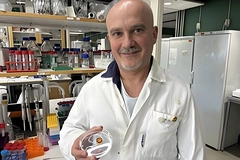 Study author Francisco Vilaplana with the plant-based gel (Image credit: David Callahan).
Scientists in Sweden have developed a fully wheat-based gel, which they claim could potentially help thicken, stabilize, or add texture to plant-based meat and dairy alternatives. The research comes amid ongoing industry efforts to improve plant-based food textures to meet consumer demands.
The team at the KTH Royal Institute of Technology in Stockholm developed the plant-based gel using wheat bran fiber and wheat gluten protein — marking the “first” time wheat gluten protein — rather than animal-based protein — has been successfully incorporated into hydrogels based on wheat bran arabinoxylan, and systematically studied in this way.
During wheat grain milling, millions of tons of wheat bran leftovers end up as feed for chickens and other livestock, which the scientists say contain high quantities of valuable dietary fiber.
Wheat milling generates approximately 23–27% by-products, with an annual global production surpassing 150 million metric tons, of which 90% is used in livestock feed, and 10% is allocated for human consumption.
These wheat processing sidestreams can be transformed into soft, jelly-like hydrogels for providing structure, thickness, and texture to many foods — acting as a feedstock for the production of novel food ingredients and materials.
“That’s in contrast to the rough and fibrous mouth-feel of wheat bran, which normally prevents us from enjoying it in healthy food products,” says author Francisco Vilaplana, professor in glycoscience at KTH and director of the Plenty research center at the university.
Combining protein and fiber
The study, published in Food Hydrocolloids, describes the gel’s potential as “functional plant-based food hydrocolloids” with improved nutritional properties, combining dietary fiber and protein components.
“We developed new functional food ingredients that combine two of the most nutritious components in our diets: the protein and the fiber,” Vilaplana says.
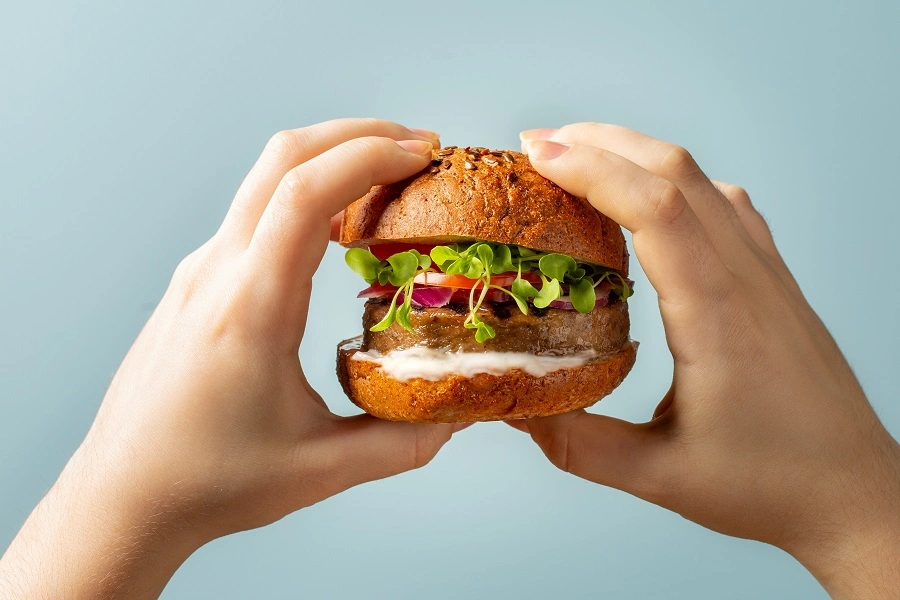 The wheat bran-based hydrogel can help manufacturers thicken, stabilize, or add texture to plant-based meat and dairy substitutes.To create the gel, the scientists extracted arabinoxylan, a natural fiber found in wheat bran, and mixed it with proteins from wheat. They used an enzyme called laccase, which links the fiber molecules (the arabinoxylan, which also contains natural antioxidants like ferulic acid) together, resulting in a stable gel.
This fiber network traps the protein when added to the formulation, which Vilaplana explains can improve how the protein behaves because it cannot form a gel as easily as the fiber molecules can.
When plant proteins try to gel independently, the product may be “brittle, uneven, or sensitive to salt, pH, or temperature,” which is a problem for food texture and for using them as reliable ingredients, he explains.
Besides their potential applications in plant-based meat and dairy alternatives, the plant-based hydrocolloids can help enhance the texture and stability in high-fiber snacks, sauces, or sports and medical nutrition products.
Valorizing agricultural side streams
Vilaplana highlights that early tests conducted by the team demonstrate the method’s potential applications in plant proteins, such as pea or soy.
“Now, we are expanding these biotechnological approaches to valorize agri-food side streams through Plenty at KTH,” he says. Plenty is a research center funded by the Swedish government research funding agency Formas focusing on resource optimization and circular supply chains, reducing food losses and waste.
“This could add new value to agricultural side streams already produced in huge amounts, but not used in human food,” says Vilaplana.