


Could waste-derived microbial fats offer alternatives to cocoa butter and palm oil?


Key takeaways
- Waste-derived microbial fats could become cost-competitive with premium food ingredients, such as cocoa butter and specialty oils, as production scales.
- The fermentation process converts organic waste into functional lipids for applications including chocolate, baked goods, dairy alternatives, and plant-based meat.
- Researchers and industry experts see microbial lipids as a way to strengthen ingredient resilience, reduce waste, and support a more circular food system.

A new study suggests that fats produced through fermentation using food and agricultural waste could soon become a viable alternative to conventional fats used across the food industry, including cocoa butter, palm oil, and animal-derived fats.
The research, led by Milena Ivanisevic and Dorian Leger at Luxembourg-based Cx Bio in collaboration with the Good Food Institute Europe (GFI), provides the first publicly available techno-economic analysis of a waste-to-lipid biomanufacturing system.
The process converts organic side streams into biogas, which is then used to feed microorganisms that produce lipids — fatty acids widely used in foods ranging from chocolate and baked goods to plant-based meat products.
According to the study, published in Communications Sustainability, the process could already produce certain food fats at costs that sit within the range of premium ingredients currently used in the food industry.

The estimated minimum production cost is around US$14.20 per kg for phospholipids, which are commonly used in products like chocolate and pastries as emulsifiers, and around US$10 per kg for triacylglycerols, which are used as oils and solid fats that contribute richness and juiciness in foods such as plant-based meat, highlights the study.
In future scenarios where feedstock costs fall, microbial strains improve, and renewable energy becomes more affordable, the researchers estimate prices could drop significantly to around US$6.10 per kg for phospholipids and US$4.20 per kg for oils.
At that point, these fats could become competitive with a much broader range of conventional food ingredients.
The study also highlights the scale of available raw material. Europe alone produces an estimated 849 million metric tons of organic waste annually, much of which currently has limited high-value use.
The authors suggest that even a single production facility operating at the scale modeled in their analysis would meet less than 1% of global cocoa butter demand. This indicates that scaling up production would not immediately disrupt existing commodity markets but could gradually expand over time.
Turning waste into food fats
First, organic waste from food production or agriculture is broken down into biogas, which is then used as a feedstock for specially selected microorganisms, which metabolize it and produce lipid compounds. The mechanism is similar in principle to fermentation processes used in brewing, where yeast converts sugars into alcohol, but in this case, the end products are fats rather than ethanol.
Researchers say these microbial fats could play an important role in a number of food applications.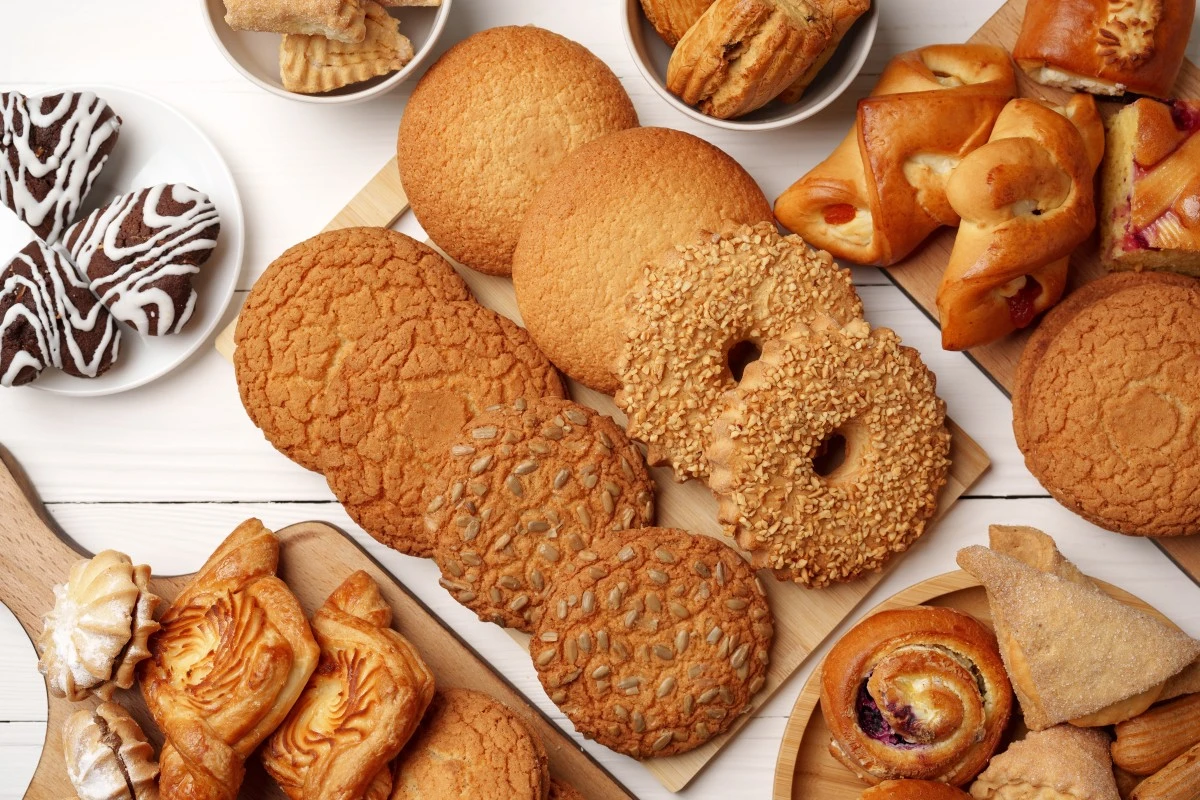 Researchers suggest these microbial fats could be useful in chocolate, baked goods, and plant-based meats, where fat composition is crucial for texture and stability.
Chocolate, baked goods, and plant-based meat products are among the most promising early use cases, largely because they rely heavily on specific fat profiles to achieve desirable texture, mouthfeel, and stability.
In chocolate, for example, fats like cocoa butter are essential for providing the characteristic snap and melt-in-the-mouth experience consumers expect. In baked goods, emulsifying agents, such as lecithins, help stabilize mixtures and improve texture, while in plant-based meat, fats are critical for mimicking the juiciness and richness of animal fat.
“In the near term, we expect microbial lipids to first find applications in specialty products, such as chocolate and confectionery, snacks, and alternative meats. These sectors are constantly exploring new ingredients that can contribute additionally to taste, texture, nutrition, and sustainability, and they have been among the earliest adopters of food innovation,” Ivanisevic tells Food Ingredients First.
“As production technologies mature and costs become more competitive, we can hope these microbial fats expand beyond niche applications into mainstream food products, becoming ingredients used in everyday household cooking and food manufacturing.”
“The long-term goal is not to replace all conventional fats, but to complement existing sources with a sustainable and resilient option.”
Supporting alternative proteins
The research team believes these lipids could have the greatest impact in alternative meat products, where high-quality fats remain needed as additional ingredients to boost taste, texture, and nutritional profile.
“We are hoping that the malleability of microbial metabolism can lead to tailor-made fats that confer more suitable properties for plant-based and cultivated meats. In this regard, we see fermentation as an emerging pillar to support the cultivated and plant-based categories in alternative proteins,” says Ivanisevic.
“Triacylglycerols could help improve the juiciness and mouthfeel of plant-based meats, while phospholipids may contribute to a more meat-like flavor, as several studies have linked phospholipids to flavor generation during cooking. Beyond meat alternatives, these lipids could also improve the texture, creaminess, and emulsification properties of products such as plant-based creams, cheeses, chocolates, and other dairy alternatives.”
“Ultimately, their value lies in providing both functional performance and sustainability, helping close the gap between plant-based and conventional foods. Beyond this, they may also help diversify the supply of fats used in climate-vulnerable products, such as cocoa-based foods, where yields are increasingly affected by the climate.”
Broader industry potential
Over the next decade, the success of microbial lipids will be measured not by breakthroughs in the laboratory, but by their adoption at commercial scale.
Researchers envision a future where the technology progresses from pilot projects to large demonstration plants and commercial production, establishing microbial lipids as valuable ingredients across a range of food applications.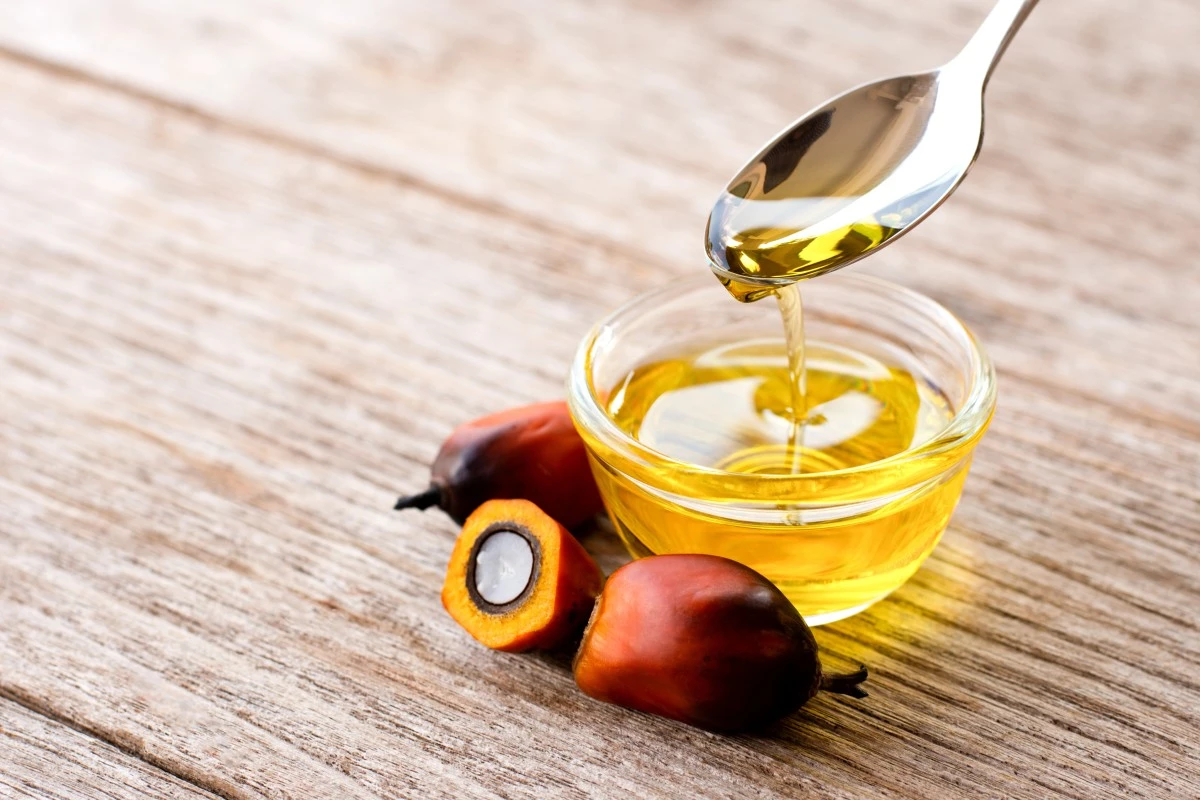 A new study suggests that fats made by fermenting food and agricultural waste could provide alternatives to traditional fats like cocoa butter, palm oil, and animal fats.
“It is still too early to say exactly how these specific lipids would fit into existing food manufacturing processes, as their functionality needs to be demonstrated at commercial scale. Ideally, however, new lipid ingredients should be as easy as possible for manufacturers to incorporate into existing production lines without requiring major process changes,” says Ivanisevic.
“The easier they are to use, the more likely they are to be adopted. We are already seeing a growing number of companies developing fermentation-derived food ingredients, suggesting that integration into the food industry is feasible. The key will be demonstrating consistent performance, competitive costs, and a clear advantage in sustainability or functionality.”
“More broadly, success would be seeing microbial lipids complement conventional agricultural production by providing an additional sustainable source of fats, particularly through the use of underutilized waste streams.”
“Achieving this would be an important step toward building a more resilient and circular food system.”
Leger adds: “Sustainability benefits alone do not generate enough willingness to pay to justify a premium price for the majority of consumers. An important unknown remains regarding how consumers will respond to these novel ingredients being integrated into products at scale.”
“Advocates for this technology will need to be more transparent about the process and trade-offs it offers compared to conventional technology, relative to similar categories in the past.”
“It is also important to consider the livelihoods of people working in the incumbent industries. Consumers may not react positively to marketing which proposes “disrupting” trades on which many livelihoods depend.”
While the researchers are focused on proving the technology can be scaled commercially, the findings also offer wider implications for the food industry. GFI, which supported the study, believes fermentation-derived fats could help tackle some of the sector’s biggest sourcing and formulation challenges.


Upcoming webinars

Oat-Standing Ingredients - Showcasing Irish Grain Through Innovation
Tirlán Ingredients

2027 Food Safety Risks for Quality & Compliance Leaders
FoodChain ID

Formulating for function: Developing benefit-led beverages with natural colours, botanicals, and flavours
Givaudan Sense Colour