

Solar Foods’ Solein gains positive EFSA opinion as Fazer prepares EU launch

Key takeaways
- EFSA found Solein safe under its proposed conditions of use, and Solar Foods now expects EU authorization in 2027.
- Fazer says it is ready to launch Solein products in Europe once the ingredient is authorized.
- Solar Foods needs binding customer agreements and full financing before it can make a final investment decision on its planned industrial-scale plant.
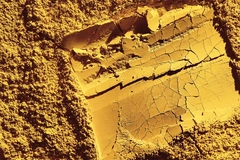 (All image credits: Solar Foods).
Solar Foods has moved closer to selling its gas-fermented protein Solein in the EU after the European Food Safety Authority (EFSA) concluded that the ingredient is safe under its proposed conditions of use. Finnish food manufacturer Fazer says it is ready to launch products containing Solein once the EU authorizes the ingredient.
The November 9 opinion comes just over five years after Solar Foods submitted its novel food application. The company previously expected authorization in 2026. It now estimates the remaining steps will take seven to nine months, putting potential authorization between June and August 2027.
The European Commission will submit a draft implementing act to a committee of EU member state representatives for a vote. A final authorization would specify which foods can contain Solein and at what levels. In July, the EU authorized The Protein Brewery’s Fermotein mycelium ingredient for use in F&B products.
Solein is a protein-rich powder made from inactivated cells of a strain of Xanthobacter. The microbe grows in a bioreactor, using carbon dioxide as its carbon source and hydrogen for energy. Solar Foods says Solein is the first novel food ingredient produced through gas fermentation to receive a positive EFSA opinion.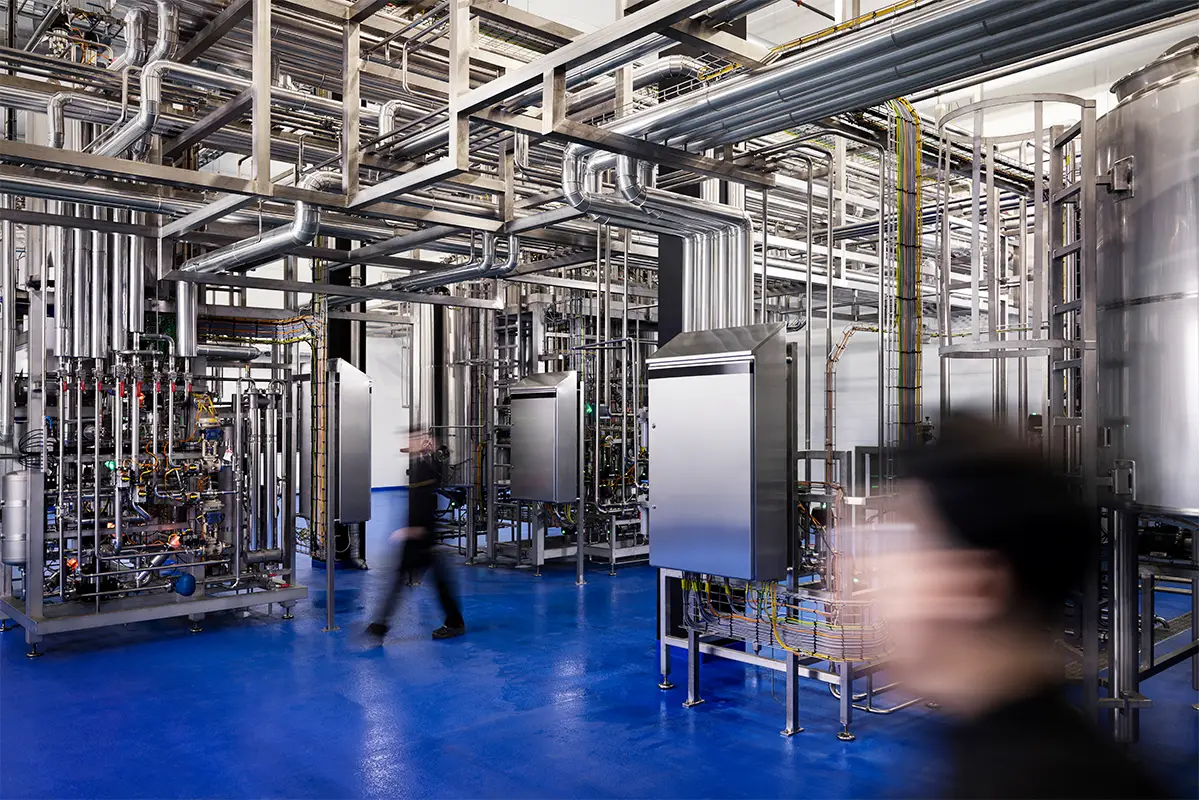 Solein is made by growing bacteria using carbon dioxide and hydrogen.
From snack bars to European shelves
Fazer, Solar Foods’ largest shareholder, has worked with the company on product development since 2019. It launched a limited-edition chocolate snack bar containing Solein in Singapore in 2024 and held tastings of snacks and oat drinks made with the ingredient in San Francisco, US, in 2025. Fazer says it is exploring several product categories for Europe.
Solar Foods is initially targeting health and performance nutrition, where protein powders, drinks, and bars can command higher prices.
In an August interview with Food Ingredients First, Solar Foods co-founder and chief scientific officer Juha-Pekka Pitkänen said Solein can add creaminess to non-dairy ice cream and help replace egg yolk in fresh pasta. Its yellow color can be a drawback in pale products, and some highly acidic recipes are harder to formulate with it.
“We have to always find the correct recipe where it works,” Pitkänen said.
In the US, Ambrosia Collective announced the launch of a ready-to-mix Planta protein powder containing Solein in June. Solar Foods began commercializing the ingredient in the US following an independent conclusion in 2024 that Solein was generally recognized as safe (GRAS) for its intended uses.
The company says it has separately filed a GRAS notice with the US FDA and is seeking a “no questions” letter. In October, Formo and Those Vegan Cowboys said they had received an FDA “no questions” letter for their jointly notified precision-fermented casein.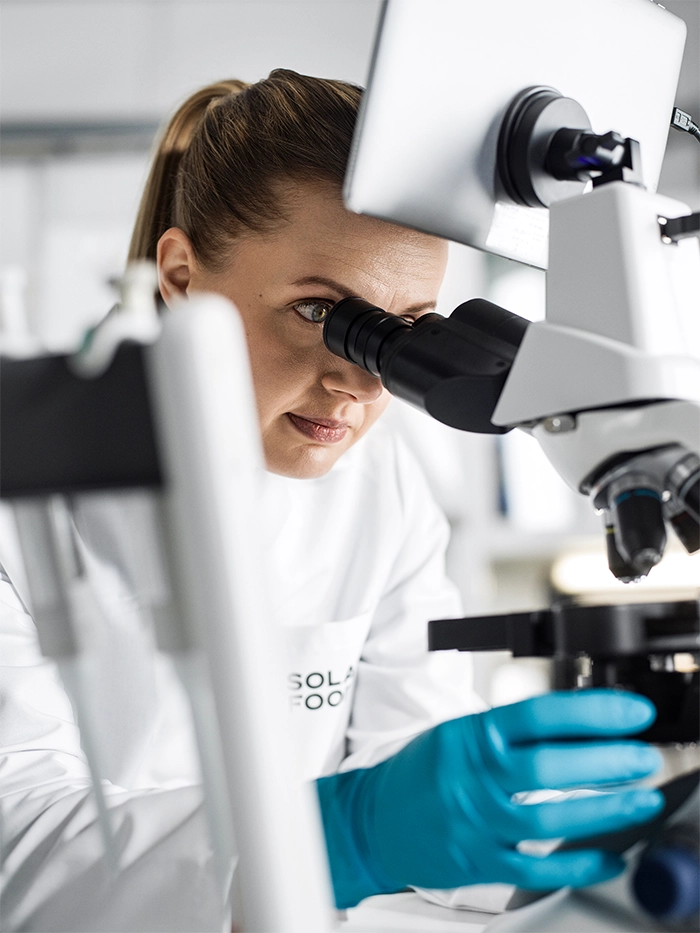 Fazer plans to launch Solein products in Europe once the EU authorizes the ingredient.
Turning customer talks into supply contracts
Solar Foods expects the opinion to help it secure binding purchase commitments from food manufacturers. Those agreements, along with full financing, are among the conditions for a final investment decision on Factory 02, its planned industrial-scale plant in Lappeenranta, Finland.
The company has targeted the end of 2028 for the first phase, with a design capacity of 3,200 metric tons a year. A second phase would double that figure to 6,400 metric tons. Solar Foods designed its existing Factory 01 to produce 160 metric tons a year and set a target of 230 metric tons for 2026.
In June, Business Finland awarded €77.8 million (US$87.1 million) in grant and loan funding for Factory 02. The funding depends on Solar Foods making a final investment decision and securing the rest of the financing.