




FAO Food Price Index falls in October as sugar prices continue to climb

Key takeaways
- The FAO Food Price Index fell 1.2% in October to 133.9 points, although it remained 5.9% higher than a year earlier.
- Sugar prices climbed 6.6% amid supply concerns in Brazil, India, and other major producing regions, reaching their highest level since December 2024.
- Lower cereal, dairy, and meat prices offset increases in sugar and vegetable oils, highlighting diverging commodity cost trends for food and beverage manufacturers.
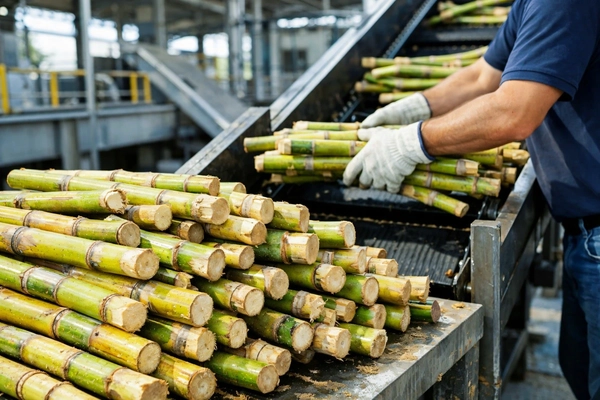
Global food commodity prices edged lower in October 2026, as declines in cereal, dairy, and meat prices outweighed a sharp increase in sugar prices and a marginal rise in vegetable oils, according to the latest FAO Food Price Index.
However, prices remained 5.9% higher than a year earlier, highlighting continued volatility in international commodity markets and the challenges facing food manufacturers and ingredient buyers.
The latest figures point to diverging trends across key agricultural commodities, with developments in sugar, vegetable oils, and dairy particularly relevant for manufacturers managing raw material costs and sourcing strategies.
Cereals fall as wheat and maize prices ease
The FAO Cereal Price Index fell 4.5% month on month to 116.8 points, bringing it 12.6% below its October 2025 level.
International wheat prices declined following four consecutive months of increases, supported by subdued demand and an improved production outlook, particularly in Argentina.
Maize prices also eased after reaching a three-year high in September. Harvest pressure in the US, expectations of ample supplies from South America, and prospects of improved Black Sea trade flows contributed to the decline. However, logistical disruptions in the Black Sea continue to present uncertainty for grain markets.
Rice prices moved in the opposite direction, with the FAO All Rice Price Index increasing 1.6% in October. Harvest delays in some exporting countries, adverse weather conditions, and rising costs contributed to the increase.
 The dairy market weakened, with the FAO Dairy Price Index falling 1.1% in October and 16.9% year-on-year, as lower milk, butter and cheese prices reflected ample supplies and subdued demand.
Sugar prices climb on supply concerns
In contrast, the FAO Sugar Price Index rose 6.6% to 121.3 points, its fourth consecutive monthly increase and highest level since December 2024. Prices were 28.8% above their year-earlier level.
Disruptions to sugarcane harvesting and crushing in Brazil’s key Centre-South producing region, caused by rainfall, were a major factor. Concerns over India’s production prospects, alongside forecasts of lower output in the EU and Thailand, also added to upward pressure.
For food and beverage manufacturers, the continued rise in sugar prices presents a challenge for categories including confectionery, bakery, beverages and processed foods, where sugar remains an important ingredient for both formulation and sensory performance.
Vegetable oil prices also remained elevated. The FAO Vegetable Oil Price Index increased 0.3% to 199.2 points, driven by higher soybean and sunflower oil quotations. Soybean oil prices reached their highest levels since late 2022, supported by demand from the biofuel sector and seasonally lower South American supplies.
Dairy and meat prices move lower
The dairy market presented a more mixed picture. The FAO Dairy Price Index declined 1.1% in October and was 16.9% below its level a year earlier. Lower butter and cheese quotations, reflecting ample supplies and subdued buying interest, outweighed further increases in milk powder prices. Skimmed milk powder prices, however, were 45.8% higher year on year.
The FAO Meat Price Index also declined 1.2% during the month, although it remained slightly above its October 2025 level. Lower quotations for pig, ovine, and bovine meat offset broadly stable poultry prices.