

Nestlé Q3 results: Confectionery and frozen foods drive growth as pricing eases
F&B giant removes CHF1.6 billion in net assets after losing control of its Russian business

Key takeaways
- Food and snacks helped drive Nestlé’s Q3 growth as pricing eased.
- Cold coffee formats supported expansion across Asia, Oceania, and Africa.
- Nestlé removed CHF1.6 billion (US$1.94 billion) in net assets after losing control of its Russian business.
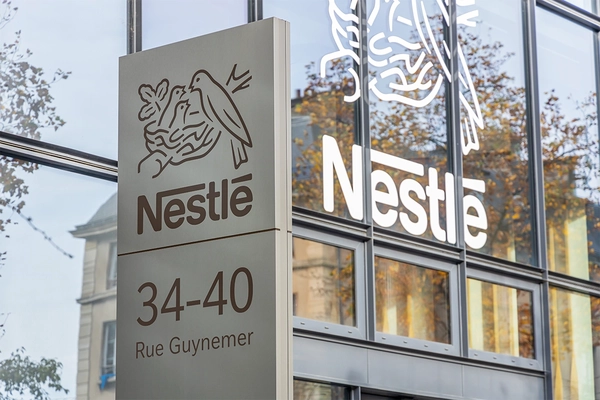
Nestlé’s food and snacks business gained momentum in the third quarter, supported by confectionery, cooking solutions, and improving US frozen food sales. The performance helped strengthen the group’s recovery as price increases contributed less to growth.
Group organic sales grew 4% in the third quarter, with real internal growth — a measure of volume and product mix — accelerating to 2.8% from 1.8% in the previous quarter. Pricing contributed 1.1%, down from 1.9% in Q2.
The results exceeded analyst expectations of 3.4% organic growth and 1.5% real internal growth, according to Reuters.
CFO Anna Manz said “the majority is coming from volume rather than mix,” pointing to increased consumption of Nestlé’s products. However, she flagged renewed upward pressure on input costs after earlier declines in coffee and cocoa prices.

Food and snacks gain ground
Food & Snacks delivered 5% organic growth, comprising 5.4% real internal growth and a negative pricing contribution of 0.4%. Confectionery had already supported Nestlé’s first-quarter recovery, helping offset weakness in US frozen foods.
US frozen food brands Stouffer’s, DiGiorno, and Hot Pockets improved, while confectionery benefited from strong underlying momentum and some earlier seasonal orders. Europe remained more difficult, with Food & Snacks organic sales still declining at a low single-digit rate.
Nestlé is also expanding its noodles business, targeting demand for convenient meals and bolder flavors. Its World Cuisine proposition includes Korean and ramen ranges being rolled out across more than 25 markets in Asia, Oceania, Africa, Europe, and the Americas.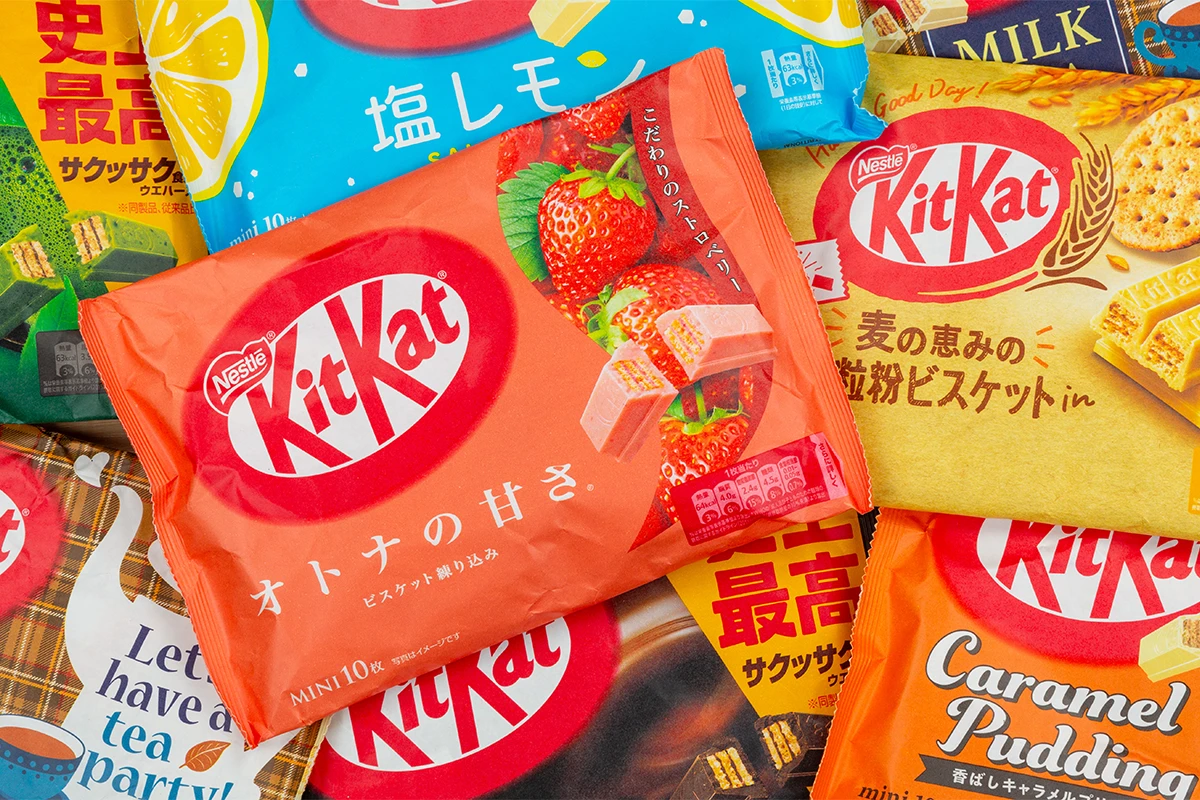 Snacks helped drive Nestlé’s third-quarter growth as price increases eased.
CEO Philipp Navratil highlighted Milo as an example of efforts to revive established brands. Nestlé improved taste, sharpened the nutritional positioning, and protected key price points despite cocoa cost pressures. The brand has returned to double-digit growth and is gaining market share, he said.
“I am pleased with our progress. But I am not satisfied,” Navratil said in prepared remarks.
Cold coffee expands opportunities
Coffee recorded organic growth of 3.4%, with real internal growth of 1.3% and pricing of 2%. In the US, underlying growth recovered progressively from the initial impact of price increases earlier in the year.
Cold coffee remained a source of momentum in Asia, Oceania, and Africa, supported by ready-to-drink expansion, liquid concentrates, and soluble iced coffee.
Nestlé’s investor presentation identifies cold coffee and out-of-home consumption among its growth priorities. The company is targeting workplaces, hotels, cafes, and bakeries with formats ranging from ready-to-drink products to cold-dispensed and flavored coffee.
“Younger generations, in particular, have embraced the trend of drinking their coffee cold, and the rise of specialty coffee shops and cafés offering a wide range of cold coffee options has contributed to making it accessible and appealing to consumers,” Siobhan Gaudino, head of R&D for Nescafé, Nestlé Product Technology Center for Coffee in Orbe, Switzerland, previously told Food Ingredients First.
Russia takeover hits accounts
Alongside the operating improvement, Nestlé detailed the financial consequences of losing control of its Russian operations following their placement under temporary external administration in September. Nestlé remains the legal owner of the assets, but the business was removed from the company’s consolidated accounts effective at the end of September.
Nestlé removed approximately CHF1.6 billion (US$1.94 billion) in net assets from its balance sheet and recorded a separate CHF1.4 billion (US$1.70 billion) non-cash currency translation charge. The currency translation charge has no impact on total group equity. The deconsolidation is expected to adversely affect year-end net debt by approximately CHF900 million (US$1.09 billion), Reuters reported.
The change affects reported sales, underlying trading operating profit, and free cash flow from the fourth quarter.
Russia has been excluded from Nestlé’s organic growth calculations since 2022, so the accounting change does not affect organic growth, real internal growth, or pricing, Manz said.
Nestlé maintained its full-year outlook for organic growth of 3–4%, an improvement in its underlying trading operating profit margin, and free cash flow above CHF9 billion (US$10.94 billion).