

Kraft Heinz agrees US$650M coffee divestiture to prioritize growth and innovation

Key takeaways
- Kraft Heinz has agreed to divest its North America coffee business but retain a 30% stake.
- The deal includes seven brands and two manufacturing facilities, with closing expected in mid-2027.
- One Rock plans to increase investment in the coffee portfolio, while Kraft Heinz intends to use net cash proceeds to reduce debt.
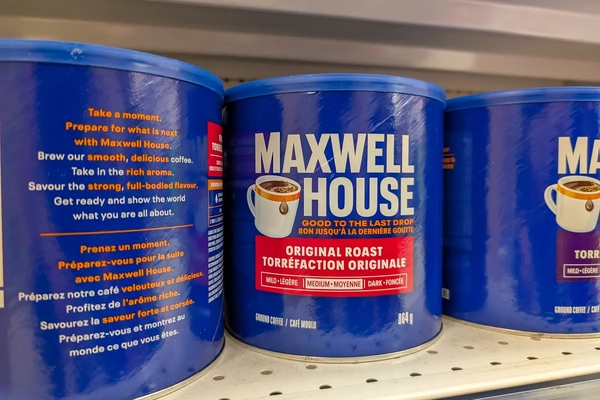
Kraft Heinz has agreed to divest its North America coffee business to an affiliate of One Rock Capital Partners in a transaction valuing the business at US$650 million. The proposed sale will transfer control of brands including Maxwell House and Gevalia as Kraft Heinz directs investment toward priority areas of its portfolio.
The company will retain a 30% non-controlling equity stake in the coffee business. It expects approximately US$500 million in net cash proceeds after taxes, which it plans to use to pay down debt.
“This transaction is a meaningful step in unlocking value from our portfolio and will further accelerate the momentum behind our transformation,” says Steve Cahillane, CEO at Kraft Heinz.
“We are proud of the role these brands have played in the lives of generations of coffee drinkers, and our continued stake reflects the confidence we have in their long-term potential under One Rock’s focused ownership.”
Refocusing investment priorities
The agreement covers Maxwell House, Gevalia, Nabob, Yuban, Tassimo, Ethical Bean, and Sanka. Closing is expected in mid-2027, subject to regulatory approval and other customary conditions.
For Kraft Heinz, the deal combines a reduction in debt with a continued financial interest in the coffee brands. The company expects the transaction to improve its growth and margin profile.
The divestiture follows a series of moves to redirect resources and strengthen product development.
In August, Kraft Heinz reported it had increased R&D spending by 22% in the first half of 2026 compared with the same period last year, with protein, fiber, hydration, and lactose-free products among its innovation priorities.
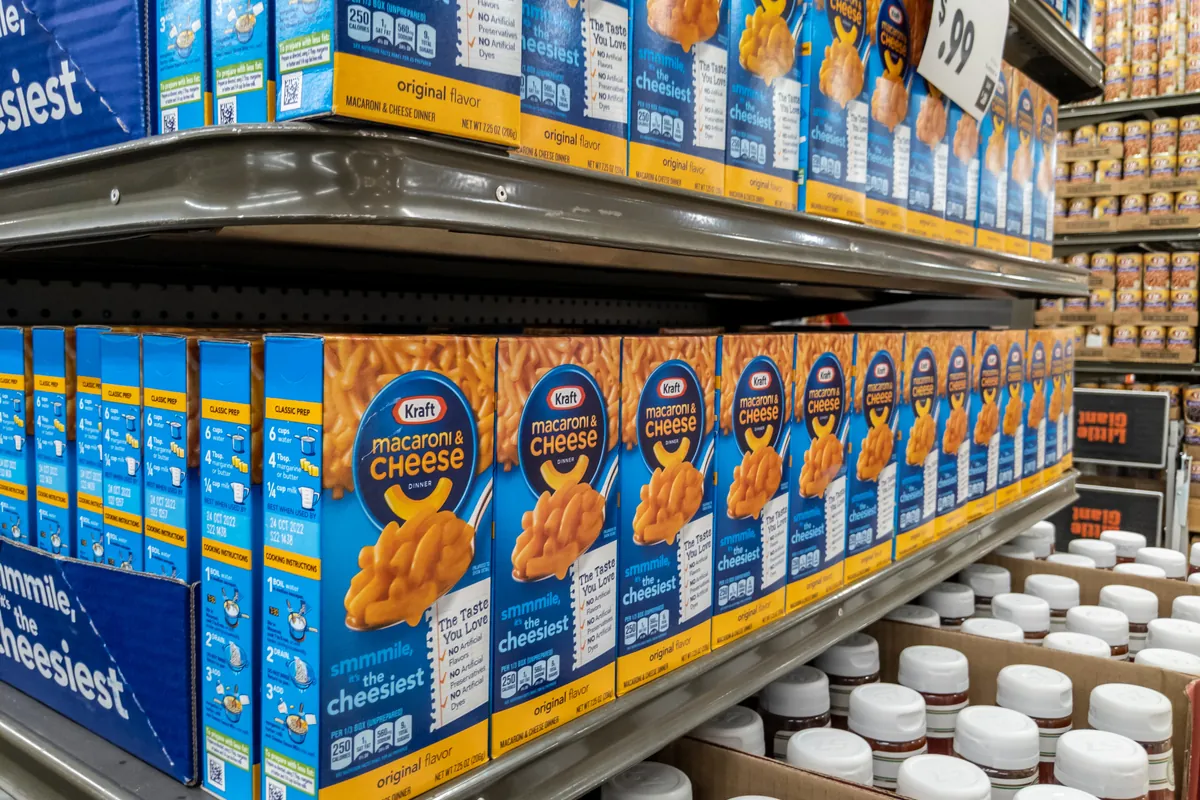 Kraft Heinz is brewing a new growth strategy as it shifts investment beyond coffee.Its planned incremental investment for the year reached approximately US$700 million, spanning marketing, sales, R&D, product superiority, and pricing initiatives.
The investment also supports development in new categories. Kraft Mac & Cheese recently announced its entry into ramen with Cheesy Ramen, scheduled to reach US shelves in April 2027.
The coffee transaction now gives Kraft Heinz another route to focus its portfolio while retaining exposure to the business’s future performance.
One Rock targets growth and innovation
One Rock says it intends to increase investment across the coffee brands, with growth, innovation, the consumer experience, and retail relationships among its priorities.
“We have long admired Kraft Heinz’s iconic coffee brands, such as Maxwell House and Gevalia, which have been household staples for more than 100 years,” says Tony W. Lee, managing partner of One Rock.
“We intend to accelerate investment across the brand portfolio to drive growth and innovation, enhance the consumer experience, and strengthen relationships with retail partners.”
The private equity firm brings experience in corporate carve-outs and the food and beverage sector. According to the announcement, the coffee business will gain access to One Rock’s operating resources and portfolio expertise.
Resource reallocation
The proposed transaction is expected to include the assets, brands, customer support, and functional resources needed to operate the North America coffee business.
Coffee manufacturing facilities in Jacksonville, US, and Vancouver, Canada, will reportedly transfer with the business. Approximately 250 full-time employees are also expected to move, covering supply chain, sales, marketing, finance, people and performance, and R&D.
The sale follows Kraft Heinz’s reorganization into three operating regions, announced in June. The restructuring also combined procurement and supply chain into a central function as the company sought to improve resource allocation and strengthen its value chain.