

Keurig Dr Pepper expands coffee portfolio with US$18B JDE Peet’s acquisition


Key takeaways
- Keurig Dr Pepper acquires JDE Peet’s, combining the Keurig brand with JDE Peet’s iconic coffee portfolio.
- Keurig Dr Pepper plans to separate into two publicly traded entities: Global Coffee Co and Beverage Co.
- Sustainability and innovation are central to the acquisition, with KDP driving sustainable sourcing and product development across its coffee brands.
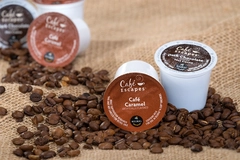
Keurig Dr Pepper (KDP) has acquired world-leading coffee company JDE Peet’s in a reported US$18 billion all-cash deal, marking a major milestone in the company’s long-term growth agenda. The deal is expected to create opportunities for innovation across multiple product formats by combining the strengths of KDP’s Keurig business with JDE Peet’s portfolio of renowned coffee brands, with likely implications for food ingredient suppliers, beverage manufacturers, and market stakeholders.
KDP’s focus is on creating value through product development and consumer-focused solutions. From single-serve pods to ready-to-drink beverages, suppliers of coffee ingredients, flavorings, and packaging solutions will need to meet the growing demand for diverse and sustainable coffee solutions, as consumer tastes evolve and demand for convenience and variety grows.

As part of the deal, KDP plans to separate into two distinct publicly traded entities: a refreshed beverage business (Beverage Co.) and a global coffee powerhouse (Global Coffee Co.). While the exact timing of this separation is yet to be determined, the creation of two independent companies will likely lead to a sharper focus on these respective markets.
KDP and JDE Peet’s own multiple iconic coffee brands. KDP boasts Keurig, Green Mountain Coffee, Caribou Coffee, Dunkin’, and Tim Hortons, with strong footholds in single-serve pods and retail coffee. Meanwhile, JDE Peet’s portfolio includes premium names like Peet’s Coffee, Jacobs, L’OR, Senseo, and Douwe Egberts, ranging from high-end blends to convenient pods.
Sustainability as a growth driver
Sustainability is expected to be at the forefront of KDP’s strategy. With a shared vision for global leadership in coffee, the company says it is committed to using its scale to drive sustainability initiatives across its supply chain, incentivizing coffee ingredient suppliers to meet higher sustainability standards and work with brands to ensure traceability, responsible sourcing, and environmental impact reduction.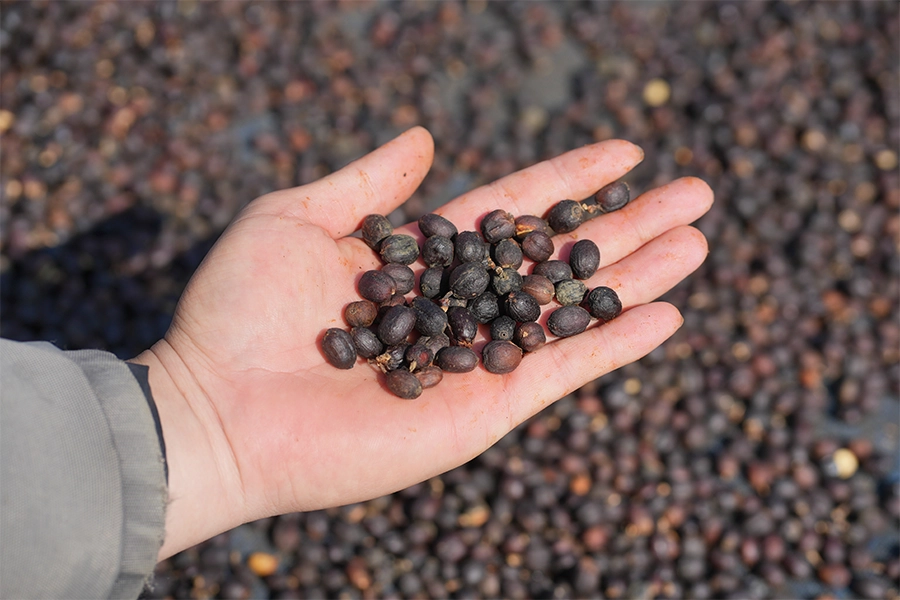 KDP’s sustainability goals aim to meet growing consumer demands in an increasingly complex and evolving supply chain.
Sustainable coffee sourcing, including fair-trade certifications and traceability from farm to cup, is becoming increasingly important to consumers. Suppliers who can deliver responsibly sourced coffee and other eco-friendly ingredients will be well-positioned to serve this growing demand for transparency and ethical production practices.
The EU’s new Deforestation Regulation is set to shake up the coffee industry by requiring businesses to ensure their supply chains are free from deforestation and human rights abuses. For coffee producers and suppliers, this means heightened scrutiny on sourcing practices, with an emphasis on traceability and sustainability.
Global Coffee Co.’s leadership and vision
Leadership changes following the acquisition will also play a key role in shaping the future of the coffee business. Rafael Oliveira has been selected as Global Coffee Co. CEO, reporting to KDP CEO Tim Cofer during the interim period. Cofer will serve as CEO of the future Beverage Co. upon separation.
“With this complementary combination, we are uniting outstanding talent, systems, and brand portfolios under a shared vision for global leadership in coffee,” says Cofer. “Having launched a brand-led strategy at JDE Peet’s that is already delivering tangible results, Rafa is uniquely positioned to set the direction for Global Coffee Co. Together, these moves are critical milestones on our path to launch winning companies in both coffee and refreshment beverages that will create shareholder value and shape their categories.”
“This is an incredible opportunity to create the future of coffee,” adds Oliveira. “Global Coffee Co. will aim to be the best coffee company in the world by combining global reach with local expertise to operate across all formats, segments, channels, and price points.”
Under Oliveira’s leadership, Global Coffee Co. is expected to capitalize on its global reach, leveraging local expertise to expand in emerging markets and strengthen its position in developed markets. For food ingredient suppliers, this could mean increased demand for regional and specialty coffee products that cater to diverse consumer needs, including high-end single-origin beans and flavor-enhanced beverages.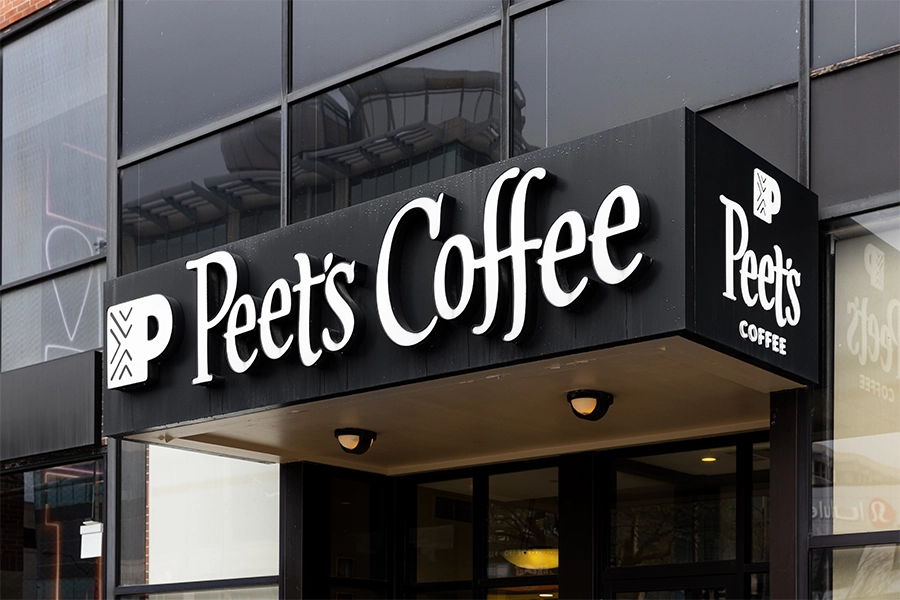 KDP’s acquisition of JDE Peet’s signals consolidation and new competition in the global coffee industry.
Broader patterns in coffee M&A
Recent M&A activity in the coffee sector reflects strong investor interest in growth markets and premium brands. In late 2025, a strategic investor acquired a majority stake in Starbucks China, signaling confidence in the region’s potential.
Additionally, US coffee drive-thru chains like 7 Brew have attracted private equity backing, highlighting the growing appeal of scalable, retail-focused coffee models. In the specialty segment, Caffe Luxxe, a premium brand, was acquired by Sugarfina, underscoring the demand for niche, lifestyle-oriented coffee concepts.
This wave of consolidation in the coffee industry is part of a broader trend of high-value acquisitions over the past decade, such as Nestlé’s acquisition of the Blue Bottle Coffee Company in 2017 for an estimated US$500 million.
We recently reported how global coffee prices have fallen sharply from the highs in early 2025, as Brazil’s national supply agency forecasted a record 66.2 million bag harvest and Rabobank projected the first significant global production surplus in five years.
But the correction faces fresh complications with the Strait of Hormuz closure, which is pushing freight rates, insurance premiums, and fuel costs higher just as the supply picture improves.


Upcoming webinars
Oat-Standing Ingredients - Showcasing Irish Grain Through Innovation
Tirlán Ingredients

2027 Food Safety Risks for Quality & Compliance Leaders
FoodChain ID

Formulating for function: Developing benefit-led beverages with natural colours, botanicals, and flavours
Givaudan Sense Colour