


IFF: How fermentation, AI & culture innovations are driving kefir’s “resurgence”

Key takeaways
- Kefir re-emerges as a growth opportunity for dairy manufacturers, due to a surge in consumer demand for probiotics and gut-health-promoting F&B.
- IFF highlights kefir’s evolution from a traditional fermented drink into a scalable innovation platform, expanding into high-protein and hybrid dairy formats.
- Advances in culture design, fermentation control and AI-driven process optimization are helping producers improve consistency and develop new functional kefir products.

Kefir is emerging as a strategic growth opportunity for dairy manufacturers — driven by improvements in culture design, fermentation control, and AI-driven process optimization. International Flavors & Fragrances (IFF) highlights a “resurgence” of the fermented dairy beverage, driven by gut-health demand, as it positions kefir as a “platform for innovation.”
Kefir originated in the Caucasus region, located between the Black and Caspian seas, and is described by the FAO/WHO Codex Alimentarius as a fermented milk product with at least 2.8% protein, below 10% fat, and at least 0.6% lactic acid.
It is produced using specific microbial culture derived from kefir grains, including Lactobacillus kefiri, species of Lactococcus, Leuconostoc, Acetobacter, and lactose-fermenting and non-lactose-fermenting yeasts such as Kluyveromyces and Saccharomyces.

Beverages with gut health benefits, such as kefir, are attracting consumer attention, as nearly 40% actively look for probiotics in functional F&B when shopping for digestive-health products, according to Innova Market Insights.
The classic liquid drink is now being expanded into spoonable or high-protein drinking applications, hybrid dairy formats, and plant-based beverages, which align with growing consumer demands for protein and yogurt-like textures in F&B.
Food Ingredients First sits down with IFF’s Elise Proust, global category marketing manager for Fresh Dairy, and Piotr Kolakowski, senior application scientist for Cultures, to discuss the evolution of Kefir from a viscous heritage drink into a scalable platform for product innovation, supported by AI and improved processing techniques.
What factors are driving kefir’s resurgence, and how is IFF responding to this trend?
Proust: Kefir’s resurgence is being driven by shifting consumer expectations around digestive health, probiotics, nutritional value, and minimally processed foods. Kefir innovation has accelerated globally in recent years, with a clear increase in new product launches carrying digestive, probiotic, low‑sugar, and high‑protein claims. Digestive and gut‑health positioning remain the most dominant and fastest‑growing claim space associated with kefir worldwide.
Recent innovation highlights kefir’s expansion into spoonable products, hybrid dairy formats, flavored variants, high‑protein offerings, and plant‑based alternatives, enabling brands to tap into multiple consumption occasions, from daily wellness to lifestyle‑led nutrition. At IFF, we respond to this momentum by treating kefir as a platform for innovation rather than a single product. Our solutions allow manufacturers to balance authenticity, sensory differentiation, and industrial reliability — helping brands translate kefir’s traditional roots into scalable, differentiated products that meet today’s consumer expectations.
How do modern kefir cultures balance tradition with innovation to meet today’s consumer demands for probiotic-rich products?
Proust: Traditionally, kefir is defined by the complex interaction of lactic acid bacteria and yeasts originating from kefir grains, delivering its characteristic tangy taste and natural fizziness in a liquid, drinkable format. However, modern consumers also expect greater choice, improved consistency, and flexible formats that better fit local eating habits.
 The interaction of bacteria and yeasts from kefir grains provides a tangy, naturally fizzy drink, but modern consumers expect greater consistency and more flexible formats, says Elise Proust.Modern kefir cultures balance tradition and innovation by translating the principles of traditional fermentation into controlled and adaptable systems. One clear expression of this modernity is the expansion from the classic liquid drink into spoonable or high-protein drinking formats, which align with consumer preferences in markets where yogurt‑like textures dominate everyday consumption. Depending on the country, modernity may be expressed through texture, flavor intensity, or format, while still respecting the Codex Alimentarius framework and local regulatory interpretations of what constitutes kefir.
IFF supports manufacturers in bridging kefir’s traditional roots with modern performance needs. Our portfolio ranges from solutions based on real kefir grains to more controlled kefir‑like cultures, giving producers the flexibility to design products that deliver the desired texture (drinkable to spoonable) alongside consistent flavor, stability, and process reliability.
What are the key factors that affect kefir’s quality, and how can IFF’s solutions address these challenges?
Kolakowski: Kefir quality is shaped by a complex interaction between microbiology, process conditions, and product handling, making it one of the most technically demanding fermented dairy products to produce consistently at a large industrial scale. From a microbiological standpoint, kefir’s defining characteristic is the coexistence of lactic acid bacteria and yeasts. While this diversity delivers its signature flavor complexity and natural fizziness, it also introduces variability. Yeast activity influences not only aroma and carbonation, but also shelf life stability and package behavior. Uncontrolled yeast growth can lead to excessive gas formation, flavor drift, and textural defects over time.
Processing parameters further amplify these effects. Milk treatment parameters, fermentation temperature, incubation time, cooling rate, and maturation conditions all directly affect acidification kinetics, protein network formation, and gas retention. Even small deviations can result in noticeable batch-to-batch differences.
IFF addresses these challenges through a holistic kefir design approach that combines culture selection with process expertise. Our kefir solutions are developed to give producers control over key quality drivers, including acidification speed, texture development, flavor intensity, and fizziness, while respecting the sensory identity consumers expect from kefir. We work closely with customers to optimize milk composition, milk heat-treatment parameters, fermentation parameters, cooling strategies, and handling practices, reducing variability and improving reproducibility.
What challenges do producers face in scaling kefir production while maintaining its traditional qualities?
Kolakowski: Scaling kefir is challenging because its traditional character comes from living, interacting microorganisms — particularly yeasts — that are naturally diverse. When moving from artisanal to industrial production, producers often struggle with unpredictable yeast control in kefir, inconsistent flavor, excessive gas formation, shorter shelf life, and increased risk of cross-contamination.
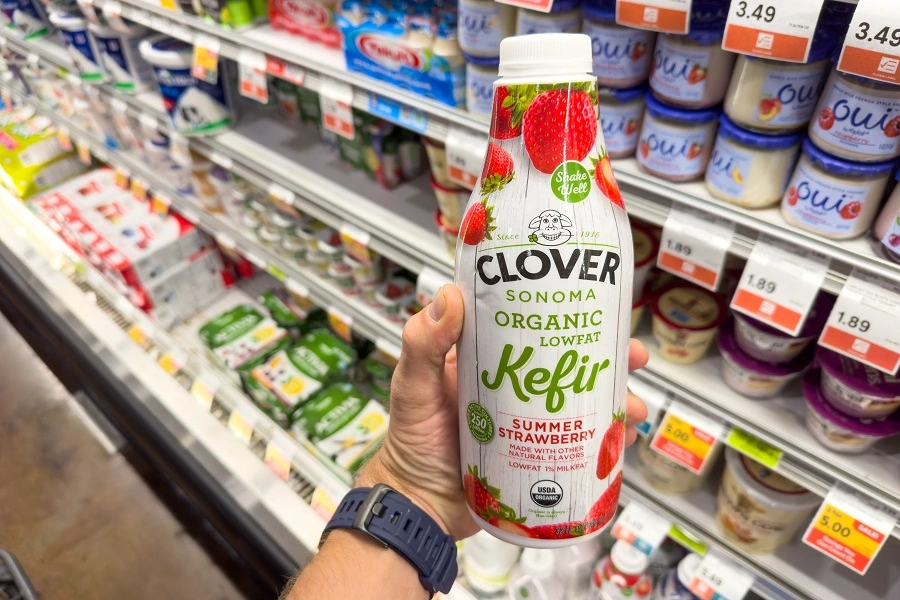 Kefir’s mix of bacteria, yeasts and processing conditions makes it one of the most technically demanding fermented dairy products to produce at scale.Another challenge is aligning tradition with regulatory and commercial realities. What works in small‑scale production may not be robust enough for global distribution or multiple production sites.
IFF helps address these challenges by offering scalable kefir solutions that respect tradition while introducing control points. Through carefully selected cultures and fermentation strategies, producers can maintain the sensory identity consumers expect while improving consistency, hygiene, and process efficiency. This enables kefir to grow from a heritage product into a reliable, scalable business proposition.
How does IFF support kefir producers in improving product texture, flavor, and consistency across different production batches?
Kolakowski: Consistency is one of the biggest hurdles in kefir production, especially when yeast is involved. At IFF, we approach this through a combination of different culture selections, including cultures for better yeast control during production, enhanced shelf life milk heat treatment parameters, and improved fermentation design, along with close application support.
Our kefir portfolio allows producers to fine‑tune texture from drinkable to spoonable, as well as flavor intensity and fizziness. By adjusting microbial composition and process parameters, we help customers achieve the same sensory profile across batches and sites.
Beyond cultures, our teams work closely with producers to understand their specific equipment, milk base processing conditions, and offer functional, tailor-made solutions.
How do you see the role of AI and technology in improving kefir production and its application in the broader F&B industry?
Kolakowski: AI and digital tools are becoming powerful enablers in fermentation‑based products like kefir. By combining process data with microbial behavior, this technology can help producers better predict fermentation outcomes, optimize parameters, and reduce variability.
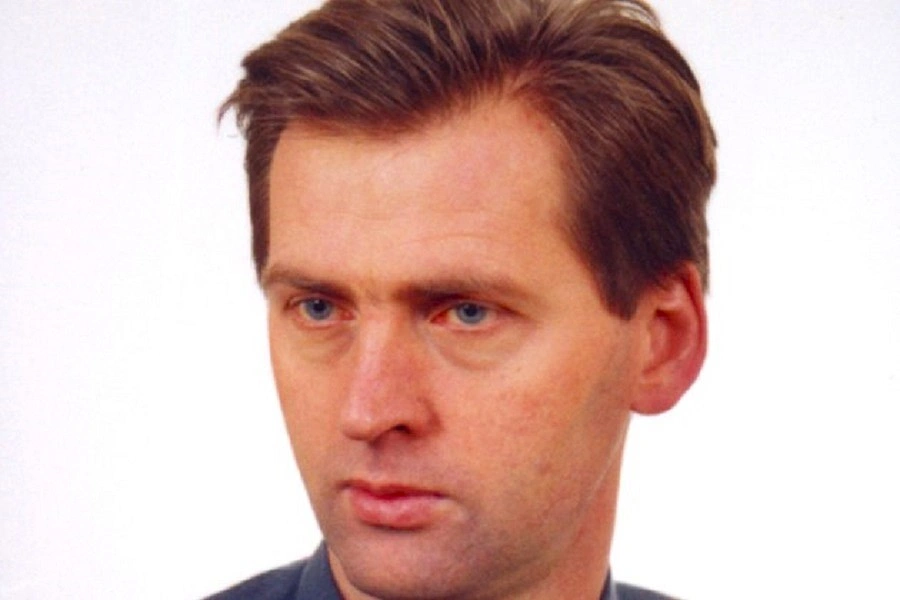 Piotr Kolakowski: Industrial kefir production can face yeast control issues, inconsistent flavor, gas buildup, shorter shelf life, and regulatory hurdles.In kefir production, this means improved control over acidification, gas formation, and texture — areas that are traditionally difficult to manage. Over time, AI‑driven insights can support faster development cycles, more consistent quality, and smarter scale‑up decisions.
More broadly, these technologies are transforming how food companies approach fermentation, moving from trial‑and‑error toward data‑driven design. While fermentation will always involve biology, technology allows us to work with that complexity rather than against it — unlocking innovation while improving efficiency and sustainability.
What do you think will be the next big trend in kefir production and innovation?
Proust: The next phase of kefir innovation will focus on personalization and purpose. We expect continued growth in functional kefirs tailored to specific needs, such as protein enrichment, sugar reduction, strains diversity, or targeted wellness positioning, alongside further expansion into new innovative formats.
At the same time, consumers are becoming more educated about fermentation and authenticity. This will push brands to be clearer about what kind of kefir they offer and why. Those that can successfully combine transparent storytelling with consistent quality will stand out. Ultimately, kefir is evolving from a single product into a flexible fermentation platform, capable of addressing diverse consumer expectations while staying rooted in its traditional heritage.