

Tetra Pak: How aseptic packaging supports a more resilient European food system

Key takeaways
- Europe’s food supply chains are most vulnerable at hand-off and transit points, particularly for refrigerated products.
- Tetra Pak says aseptic processing and shelf-stable packaging can reduce food waste, improve access to nutrition, and strengthen resilience during disruptions.
- A more resilient food system should combine cold-chain infrastructure with ambient distribution, efficient processing, and recyclable packaging innovation.
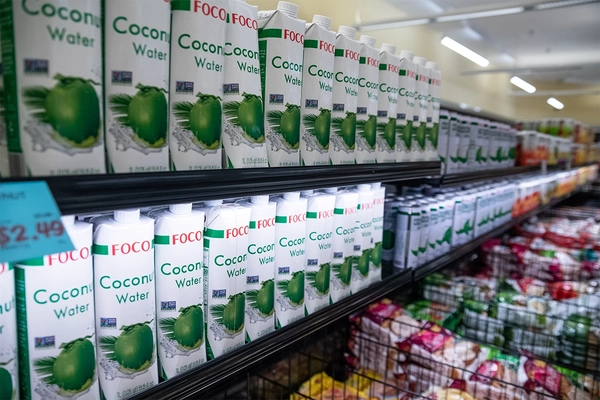
The “hidden middle” of the food value chain — including processing, packaging, storage, logistics, and distribution — is often overlooked, despite its critical role in ensuring food safety, says Katie Carson, director of corporate affairs for food and climate policy at Tetra Pak.
Carson highlights packaging not merely as a means of protection, but as a vital part of the infrastructure that helps ensure food stability.
We speak with Carson about how producers can strengthen food safety and how aseptic processing and packaging can further support food security. We also explore the outlook for a more resilient European food system and the factors driving progress toward that goal.

The Cold Chain Federation has warned that fuel shortages, cyber-attacks, and extreme weather could threaten food supplies. From Tetra Pak’s perspective, where are Europe’s food supply chains most exposed today?
Carson: European food supply systems are exposed at hand-off points and transit transition points, where food moves between production, storage, transport, and retail. Delays or disruptions at these stages can quickly lead to food loss, particularly for perishable products such as fresh milk, yogurt, and ice cream. Identifying these vulnerabilities is a crucial first step.
Today, food supply chains are being stress tested by conflict, energy price volatility, and trade interruptions. Products that depend on refrigeration are especially vulnerable to a range of shocks, as it is critical to food safety for products like fresh milk, yogurt, and ice cream. Yet, as the Cold Chain Federation has warned in the UK, Britain’s food system is vulnerable.
At the same time, we shouldn’t fall into the trap of focusing on isolated parts of the supply chain or thinking that fixing individual logistics problems will fix everything. Instead, it’s crucial to take a wider, system-level view of food security. Considering the entire value chain is crucial for strengthening the system.
The cold chain is essential for food safety, but what happens when refrigeration infrastructure is disrupted? How should policymakers and manufacturers plan for those scenarios?
Carson: When the systems fail, food can spoil within hours. This causes almost immediate consequences — it limits access to nutrition from chilled products such as fresh milk, it’s a financial problem for producers, and it’s a sustainability problem when resources are wasted. That’s why policymakers and manufacturers need to take this risk seriously and identify vulnerable points and plan for worst-case scenarios.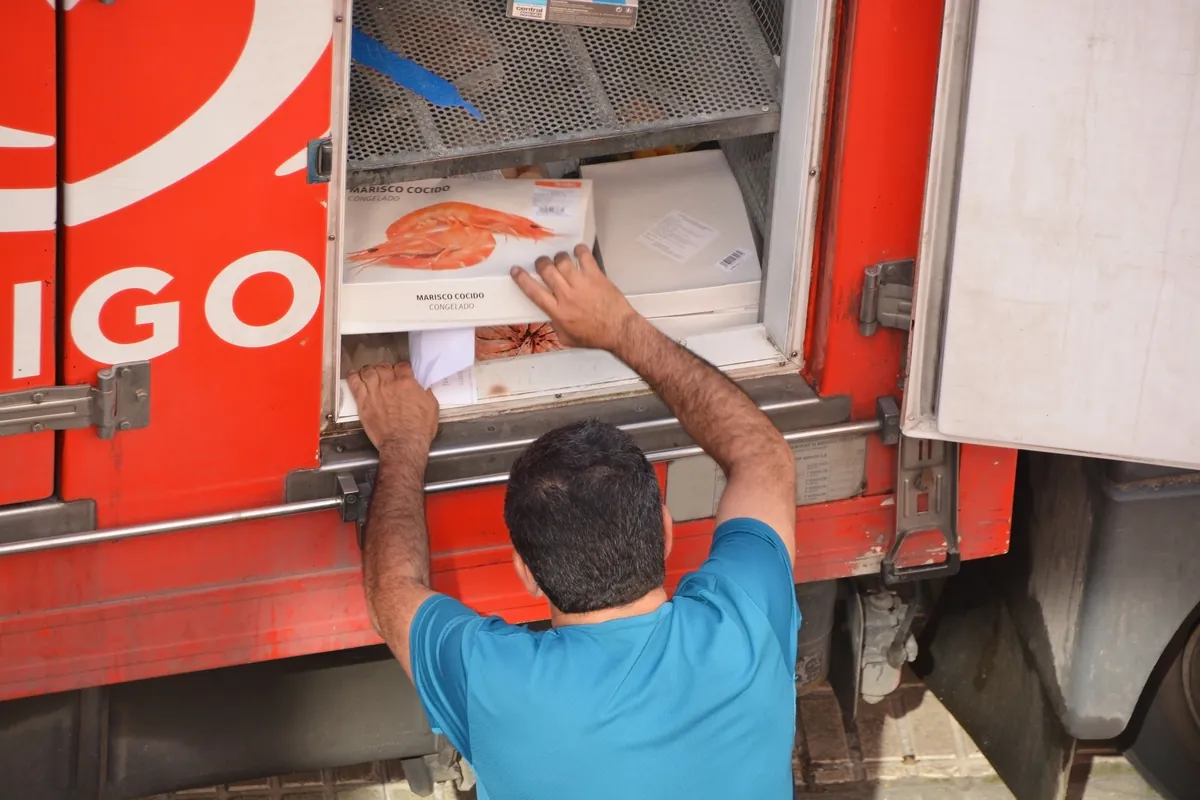 Carson says the entire value chain must be considered when strengthening food security.
The often-overlooked “hidden middle” of the food value chain, processing, packaging, storage, logistics, and distribution, is especially critical and needs to be a focus for policymakers. Strengthening these stages can help food move safely and efficiently, even during periods of disruption, while reducing food loss and waste. Yet this part of the system remains significantly underfunded, despite its importance for food security and climate resilience.
Aseptic processing and packaging are often discussed in terms of shelf life and convenience. How can they also contribute to wider food security and supply chain resilience?
Carson: Aseptic packaging protects perishable food and beverages for up to 12 months, even at ambient temperatures. This is convenient for consumers and producers alike, as they know they can store and consume a range of products while being reassured about food safety. That same ability to be stored and transported over extended periods of time also means packaging helps nutritious food get to where people need it.
But the wider value is in how these technologies support food security and supply chain resilience. The ability to safely store and transport food over long periods means nutritious products can reach communities that are far from production sites or where cold chain infrastructure is limited or unreliable. This improves access to safe nutrition while making supply chains more resilient to disruption.
A good example is school feeding programs. Every year, our customers deliver milk and other nutritious beverages in Tetra Pak packages to 68 million children across 52 countries. The combination of aseptic processing and packaging enables those programs to reach children safely and reliably, even in challenging environments.
By helping food reach consumers safely, even when infrastructure is limited or disrupted, packaging can strengthen food system capacity and support long-term food security. As policymakers look at how to build more resilient food systems, packaging should be recognized not only as a means of protecting products but as an enabling part of the infrastructure that helps food move safely and efficiently through the value chain. In that context, it should be recognized as critical infrastructure.
How can ambient and shelf-stable formats help reduce food waste, particularly during periods of energy volatility or logistics disruption?
Carson: Packaging is a key lever for reducing food waste. Food that is stored and transported at ambient temperatures is less likely to spoil quickly when the supply chain is interrupted, meaning food can reach its destination with its quality and safety intact.
This becomes especially important during periods of disruption. When refrigeration systems are under pressure or transport routes are delayed, shelf-stable products provide greater flexibility and can help reduce losses across the value chain.
The opportunity extends beyond distribution. During processing, there is significant potential to improve resource and energy efficiency through measures such as reducing mechanical cooling, recovering waste heat, and adopting more energy-efficient technologies.
Together, these approaches help maximize the value of food produced while reducing unnecessary resource use. They can also lower costs by reducing losses, raw material consumption, and energy demand.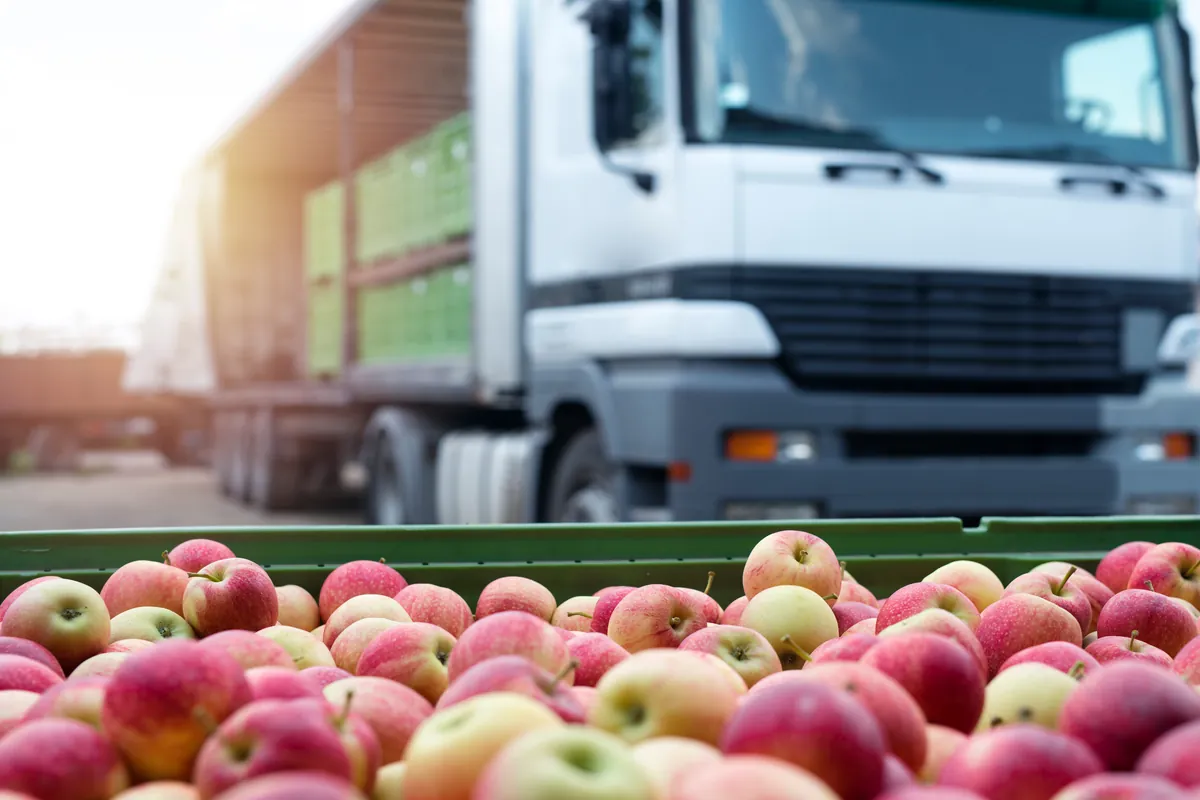 Carson stresses the need to increase investment in low-carbon technologies, energy efficiency, and smarter infrastructure.
Looking ahead, what would a more resilient European food system look like, and what role should packaging innovation play alongside refrigerated and frozen supply chains?
Carson: The cold chain will always play a vital role in Europe’s food system, particularly for fresh and highly perishable products. The opportunity is to make it more efficient and more resilient through continued investment in lower-carbon technologies, energy efficiency, and smarter infrastructure.
At the same time, no single distribution model can meet every challenge. Extreme weather, energy shortages, and supply chain disruptions have shown the importance of building flexibility into food systems. Alongside refrigerated and frozen supply chains, ambient distribution enabled by aseptic processing and packaging provides an added route to deliver safe, nutritious food when refrigeration is limited, disrupted, or simply not the most practical option.
A stronger European food system combines multiple approaches. Manufacturers should have the flexibility to choose the most appropriate processing, packaging, and distribution model for different products, markets, and circumstances. That diversity makes food systems more adaptable while helping reduce food loss and waste and improve long-term food security.
Packaging innovation has an important role to play in that future. Advances in aseptic technology, renewable and recyclable materials, and packaging designed for circularity can help strengthen food systems while continuing to protect food safety and quality. The goal isn’t to replace the cold chain, it’s to complement it, creating a food system that is more flexible, more resource-efficient, and ultimately more resilient.